A South Florida penthouse is defined as much by engineering discipline as by views. This MILLION Luxury guide explains the HVAC, glazing, waterproofing, drainage, structural loading, backup power, and inspection details sophisticated buyers should examine before closing.
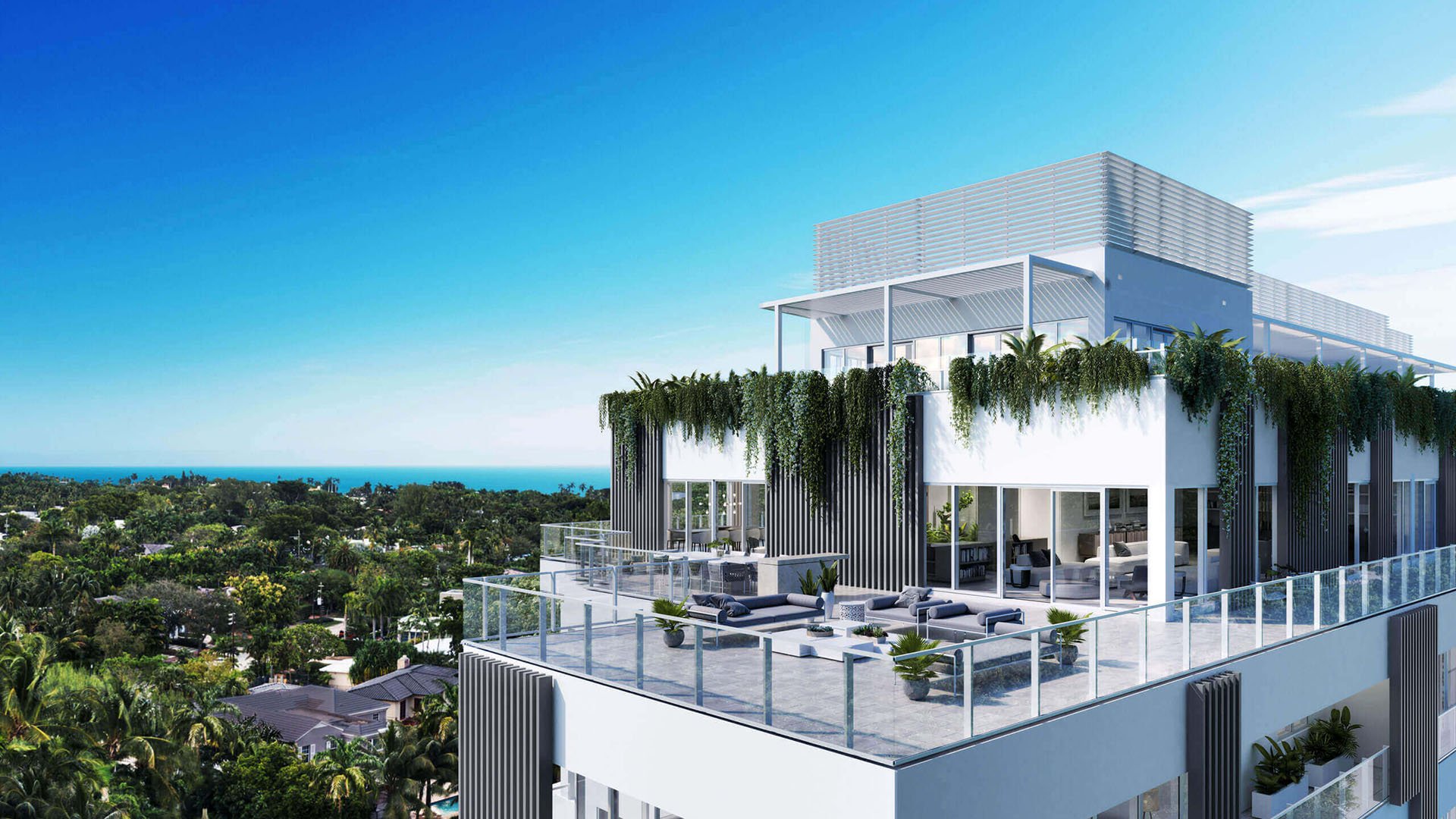
The romance of a penthouse in South Florida is obvious: uninterrupted horizon lines, dramatic entertaining terraces, and a level of privacy lower floors rarely match. Yet seasoned buyers understand that a penthouse is distinguished not only by aesthetics, but by technical performance. At the top of a building, a residence is subject to more sun, more wind, greater rain pressure, and wider temperature swings than most units below. That makes the engineering behind comfort and resilience more important, not less.
For buyers considering residences in towers such as The Perigon Miami Beach or Turnberry Ocean Club Sunny Isles, the right questions extend well beyond finishes and views. The focus should be on mechanical design, terrace detailing, service access, and the building’s maintenance and code-compliance record. In this market, a penthouse can be an exceptional acquisition, but only when the systems behind the walls are as refined as the architecture on display.
Penthouse HVAC loads are typically higher than those of lower-floor residences. Roof exposure and additional exterior surface area can increase heat gain, making precise load calculations and thoughtful zoning especially important. In practical terms, buyers should ask whether the residence is designed so primary living areas, bedroom wings, and glass-heavy exposure zones can be conditioned independently. A single blunt system often struggles in a home with shifting sun exposure throughout the day.
Humidity control is equally critical in South Florida. A penthouse that feels cool but does not properly manage moisture can still experience condensation, comfort issues, and conditions that encourage mold. In a market where expansive glazing is often central to the design language, buyers should pay close attention to how indoor humidity is managed during the most humid months.
This is particularly relevant in glass-forward projects such as The Residences at 1428 Brickell and St. Regis® Residences Sunny Isles, where envelope performance and interior climate control shape the ownership experience. The question is not simply whether the air conditioning is powerful. It is whether it is precisely calibrated.
Near the ocean, salt air is not a minor nuisance. It is a constant corrosive force that can degrade coils, cabinets, fasteners, and other metal HVAC components if they are not designed or coated for marine environments. Buyers should ask which materials were specified for exterior or roof-adjacent equipment, how often those components are serviced, and whether coastal exposure has accelerated replacement cycles.
Service access also deserves more scrutiny than it usually receives. Rooftop and penthouse-level equipment can be difficult to reach, and poor access can delay repairs and increase maintenance costs during peak cooling season. In a large residence, downtime is not merely inconvenient. It can affect art, furnishings, wine storage, and overall livability.
For a resale penthouse, maintenance records become especially important. If the unit or building has a history of deferred service, corrosion-related replacement, or difficult mechanical access, that should be understood before closing rather than after the first midsummer system failure.
South Florida buyers are right to focus on terraces, but sophisticated due diligence treats the terrace as a technical assembly rather than a decorative outdoor room. Waterproofing and drainage are critical because the living space below often sits directly beneath exposed roof and deck systems. When these assemblies fail, repairs can become invasive and expensive.
Proper drainage design should prevent ponding and allow drains to be inspected and maintained. Buyers should pay close attention to whether water has a clear path away from thresholds, whether drains and scuppers are accessible, and whether overflow provisions are in place for heavy rain events. On a large terrace, blocked drainage can quickly become an interior problem.
Penetrations are another high-risk detail. Railings, lighting, outdoor kitchens, audio systems, planters, and mechanical equipment all introduce openings that can compromise waterproofing if detailing or maintenance has been poor. UV exposure and salt-laden air further accelerate wear on sealants, gaskets, and exterior components, so even beautifully executed terraces require an ongoing maintenance mindset.
This is why buyers drawn to expansive outdoor living in projects such as Apogee South Beach should review more than the layout. The more intelligent inquiry is how the terrace was built, drained, penetrated, and maintained.
The largest penthouse terraces often include substantial lifestyle features: oversized planters, spas, plunge pools, summer kitchens, and custom shade structures. Each introduces added structural and waterproofing demands. Buyers should confirm roof or deck load capacity through project documents and, when warranted, through an independent engineer. At the top of a building, assumptions are expensive.
Glazing deserves the same level of rigor. Large sliders and storefront-style openings in a penthouse are exposed to significant wind and wind-driven rain. Impact-resistant glazing and tested assemblies matter, particularly in older residences that may predate current expectations for wind and opening protection. Buyers should also verify whether any replacement doors or window systems were properly permitted and matched to the building’s approved assemblies.
Storm resilience is not only about the glass itself. Roof systems, load paths, and opening protection all become more consequential at penthouse level, where exposure is greatest. For older inventory in Miami Beach, Sunny Isles, or Brickell, document review should include permit history, façade reports, roof warranties, and any record of prior terrace leak remediation or glazing work.
Every South Florida penthouse should be evaluated against the Florida Building Code and local amendments, with particular attention to envelope performance, storm resilience, and top-floor exposure. In Miami-Dade, project-specific rules and compliance history can be especially important for older penthouses. Buyers should not assume that a glamorous renovation was reviewed to today’s standards simply because it appears current.
Backup power is another area where assumptions often exceed reality. A building generator may serve life-safety systems and common elements while leaving private residence HVAC, select appliances, or nonessential circuits unsupported. For a penthouse owner, that distinction matters. It affects comfort, humidity management, and operational continuity during outages.
In practice, a prudent buyer will ask for a clear understanding of what the building generator actually serves, what the residence itself can run, and whether any private backup provisions were approved. In high-floor living, operational resilience is part of the luxury brief.
A focused inspection by a Florida engineer can be especially valuable for a penthouse because roof structure, glazing, waterproofing, and mechanical systems are all more exposed and more expensive to correct after closing. The inspection should extend well beyond a standard interior walk-through.
A serious scope should include HVAC condition and zoning logic, signs of corrosion, serviceability of equipment, terrace slope and drainage performance, threshold transitions, visible sealant fatigue, waterproofing vulnerabilities at penetrations, and the apparent condition of glazing and door assemblies. If the home includes unusual outdoor features, structural review should be part of the conversation as well.
For older penthouse inventory, the paper trail matters almost as much as the physical inspection. Reserve studies, permit history, roof-related records, façade reporting, and evidence of prior leak repair can help reveal whether an asset has been proactively maintained or simply cosmetically refreshed.
A penthouse should feel effortless. Temperatures should remain even throughout the day. Indoor air should feel dry and composed, not cold and clammy. Doors should inspire confidence during storm season. Terraces should drain quickly, age gracefully, and support their amenities without compromising the residence below.
That level of ease is rarely accidental. It comes from careful engineering, disciplined maintenance, and buyer diligence that looks beyond the staging. In South Florida, the finest penthouses are not merely elevated in height. They are elevated in performance.
Why does a penthouse need different HVAC planning than a lower-floor unit? Top-floor residences typically experience greater heat gain from roof exposure and additional exterior surface area, so load calculations and zoning become more important.
Is strong air conditioning enough for South Florida comfort? No. Humidity control matters alongside cooling because excess moisture can lead to condensation, comfort issues, and mold risk.
What is the biggest HVAC risk near the ocean? Salt air corrosion is a major concern because it can damage coils and metal components and shorten equipment life.
Why should buyers ask about HVAC service access? Difficult access can delay repairs and increase maintenance costs, especially when rooftop or penthouse-level equipment requires urgent service.
What should I examine first on a large terrace? Start with drainage, waterproofing, and threshold detailing, since ponding and blocked drains are common paths to leaks.
Are terrace penetrations really that important? Yes. Railings, lighting, kitchens, and equipment supports can all become weak points in the waterproofing assembly.
Do outdoor spas or large planters require extra review? They do, because they add structural load and additional waterproofing complexity that should be confirmed in project documents.
What should buyers verify about penthouse glazing? Confirm that large openings use impact-resistant, properly tested assemblies suitable for hurricane-zone exposure.
Can I assume the building generator will run my penthouse HVAC? No. Many generators serve only life-safety systems and common areas, so buyers should verify the actual scope of backup power.
Who should inspect a South Florida penthouse before closing? A Florida engineer with experience in building envelope, mechanical systems, and waterproofing can provide especially valuable penthouse-specific due diligence.
If you'd like a private walkthrough and a curated shortlist, connect with MILLION Luxury.
If branded residences are on your mind — as a home or as an allocation — we would be glad to share what we are seeing, privately.
Begin a quiet conversation