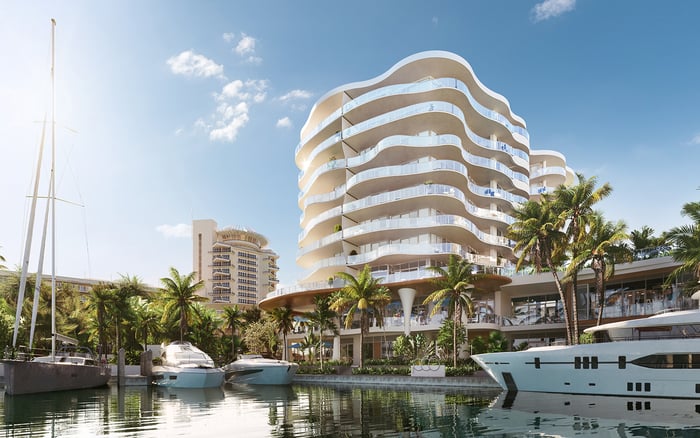
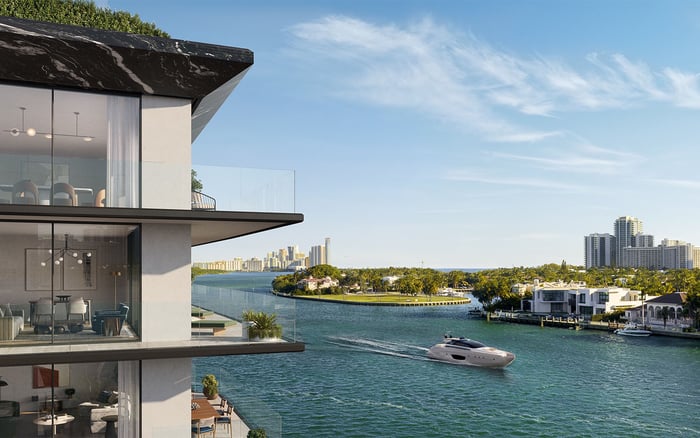
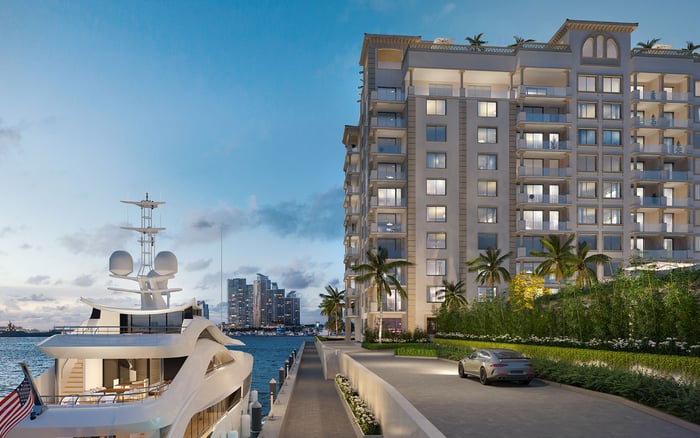
A coastal home should support the way you intend to cruise, not dictate it. Begin with a boating brief, verify the property and berthing arrangements independently, and bring flood and windstorm insurance into the purchase decision early.
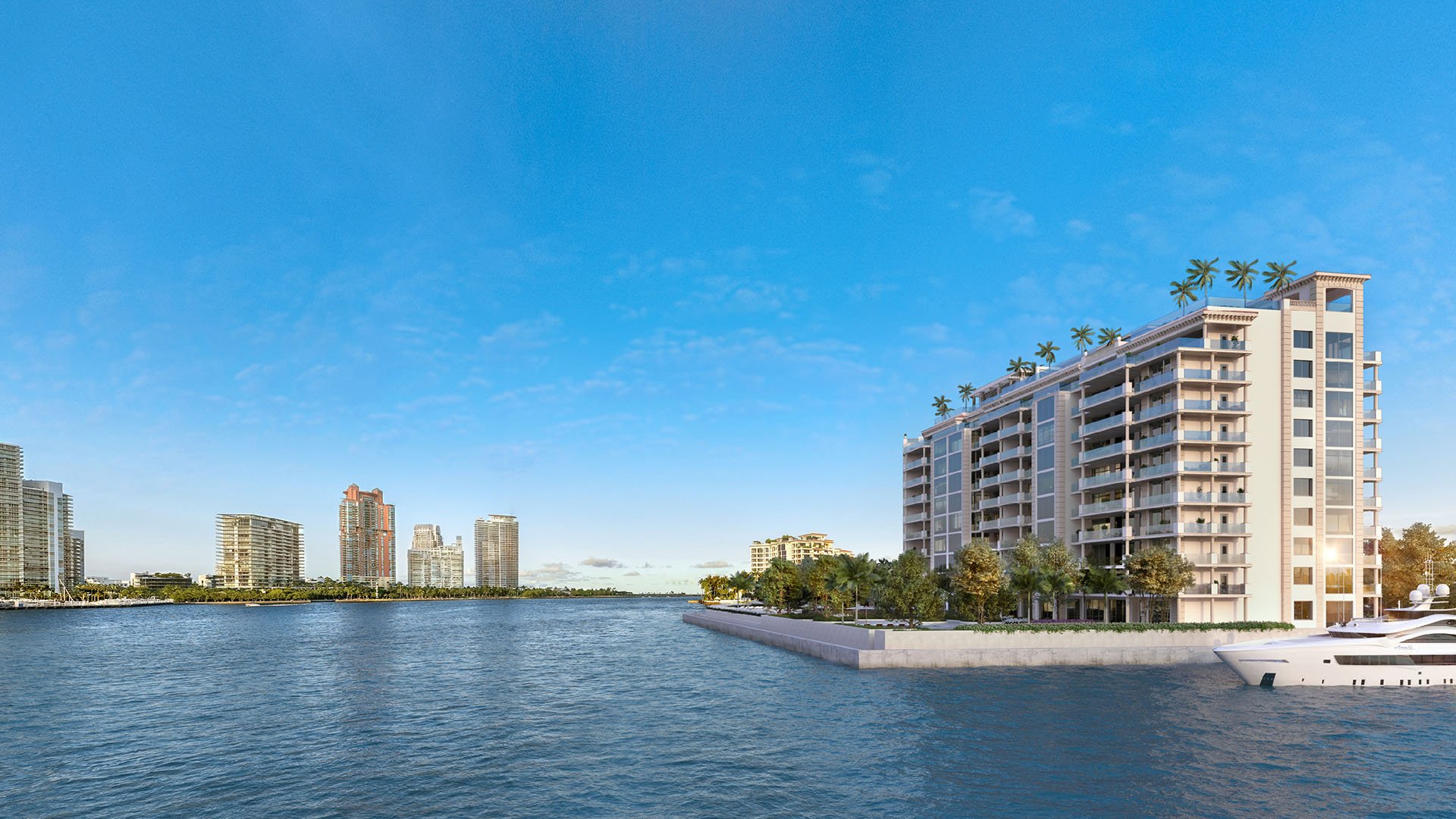
A South Florida coastal home can be exquisite and still be the wrong base for its owner's boating life. The terrace, arrival sequence and water views may satisfy every residential ambition, yet the practical arrangements for the intended yacht remain unresolved. For a buyer who expects cruising to be central to ownership, those arrangements deserve attention before the property becomes an emotional commitment.
The planning sequence is simple: cruising plan, yacht requirements, dock or marina requirements, then home. This is a decision framework, not a substitute for vessel-specific or property-specific advice. Its purpose is to align the residence with the boating experience, rather than asking either purchase to accommodate assumptions made during the other.
The yacht need not be selected first. The intended use should be.
Begin with an ordinary week, not an exceptional holiday. Do you envision spontaneous afternoon departures, occasional overnight trips or longer periods away? Will you operate the boat yourself, rely on a captain or use a combination? How often will guests join, and how important is stepping directly from the residence to the vessel?
Write down your preferences before discussing individual yachts. Include the time you are willing to spend reaching a berth, the support you expect and whether the residence will be a primary home or a seasonal base. Separate essentials from conveniences. A beautiful address should not quietly turn a nonnegotiable requirement into a compromise.
A Coconut Grove search that includes Vita at Grove Isle should therefore carry two parallel briefs: one for the residence and another for boating. Keep them separate until the relevant arrangements have been independently confirmed. A project name or waterside setting should never substitute for that confirmation.
Once the cruising brief is clear, ask a qualified yacht adviser or captain to translate it into a working vessel profile. Rather than selecting solely by appearance or nominal length, request a written outline of the specifications to check against any proposed berth and route.
The verification brief might address draft, beam, overall dimensions, overhead clearance, boarding arrangements and shore-power requirements. These are questions for the professionals assessing the particular vessel and location, not presumed capabilities of a coastal property. Ask which measurements and operating conditions require confirmation, who will confirm them and how the conclusions will be documented.
If several yachts remain under consideration, evaluate the property against each candidate rather than an undefined future boat. This is also the moment to decide whether accommodating a possible upgrade is a genuine requirement or simply an expensive preference.
Treat the residence and the berth as separate due-diligence files, even when presented together. Request the documents establishing any proposed docking arrangement, then have counsel clarify the rights, obligations, restrictions and duration involved. Ask whether the arrangement matches the vessel you intend to use.
For a Fort Lauderdale shortlist that includes St. Regis® Residences Bahia Mar Fort Lauderdale, keep the residential evaluation distinct from every assumption about yacht accommodation. Confirm any proposed arrangement directly and in writing rather than inferring it from branding or location.
Apply the same discipline in Bay Harbor Islands when considering Onda Bay Harbor. Ask your advisers to investigate any relevant dock dimensions, access route, seawall condition, lift suitability and permissions. These are verification requests, not statements that a particular residence includes those features or can accommodate a particular yacht.
Where the home and berth would be separate, test the routine before committing. Consider the journey from front door to boarding, guest coordination and the return home. The right arrangement supports your habits, whether or not the vessel sits outside your window.
The boating brief does not replace the coastal property's own risk assessment. Standard homeowners' insurance generally does not cover flood damage. Flood and windstorm protection are distinct considerations, so a South Florida buyer should not treat hurricane protection as a single, comprehensive category.
Start with the property's exact address and review its mapped flood zone through the official flood-map service. A mapped designation informs the insurance discussion; it is not a reason to skip it. Flood insurance deserves consideration even when its purchase is not mandatory, and federal coverage is generally available in participating communities outside designated high-risk zones as well.
For buildings in Special Flood Hazard Areas financed with federally backed loans, federally regulated or insured lenders must require flood insurance. Separately, certain areas covered by coastal-barrier legislation face restrictions on federal flood-insurance availability. Ask the insurance adviser to establish what is available for the specific property rather than extrapolating from a neighboring address.
The same approach applies to a Miami Beach search that includes The Ritz-Carlton Residences® Miami Beach: assess the home, the intended boating arrangements and the applicable insurance protections individually.
Standard federal flood-insurance limits for a single-family residence are $250,000 for the building and $100,000 for residential contents. Those ceilings may leave a luxury home underinsured. Ask an insurance specialist whether private or excess flood coverage is appropriate, and review the proposed protection against the property's actual insurance needs.
Do not assume building coverage automatically protects belongings. Contents coverage can be purchased separately, making the treatment of interiors and personal possessions a distinct conversation. For a condominium purchase, request a clear explanation of the protections relevant to the residence rather than applying single-family limits indiscriminately.
Timing matters as well. Federal flood coverage generally has a 30-day waiting period, subject to exceptions. Establish the applicable effective date during purchase due diligence rather than waiting until a storm approaches. Coordinate that date with closing and any existing coverage.
Before committing, assemble the cruising brief, vessel requirements, verified berthing arrangements, property assessment and insurance proposals. Ask each adviser to identify unresolved questions in writing. The objective is not to make every coastal residence fit a yacht, but to select a home and boating arrangement that work together without relying on assumptions.
For a considered approach to South Florida coastal ownership, explore MILLION.
If branded residences are on your mind — as a home or as an allocation — we would be glad to share what we are seeing, privately.
Begin a quiet conversationYou do not need to select the yacht first, but defining your cruising plans can help establish the vessel and berthing requirements to investigate before purchasing a home.
Outline trip length, departure frequency, guests, operating support and the time you are willing to spend reaching the boat. Separate essential requirements from preferences.
Ask a qualified adviser to identify the relevant dimensions, draft, overhead clearance and service requirements. Have the particular vessel, berth and access route assessed together.
Do not assume it does. Verify the proposed berthing rights, physical suitability and applicable restrictions independently and in writing.
Standard homeowners' insurance generally does not cover flood damage. Review flood protection separately from homeowners' and windstorm coverage.
Yes, flood insurance merits consideration even when it is not mandatory. Federal coverage is generally available in participating communities outside designated high-risk flood zones.
Federally regulated or insured lenders must require flood insurance for buildings in Special Flood Hazard Areas financed with federally backed loans.
Standard building coverage is capped at $250,000, and residential contents coverage is capped at $100,000. A luxury homeowner should assess whether private or excess protection is appropriate.
Do not assume it does. Contents coverage can be purchased separately, so confirm both building and contents protection with an insurance adviser.
Review it during purchase due diligence. Federal flood coverage generally has a 30-day waiting period, subject to exceptions, so confirm the effective date before closing.