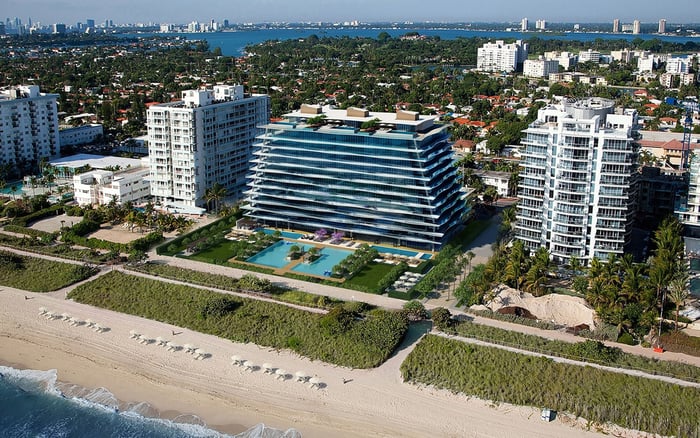
At Ocean House Surfside, the most consequential diligence begins after the visual tour. Buyers should examine mechanical systems, staffing, governance, coastal maintenance and emergency readiness through primary documents.
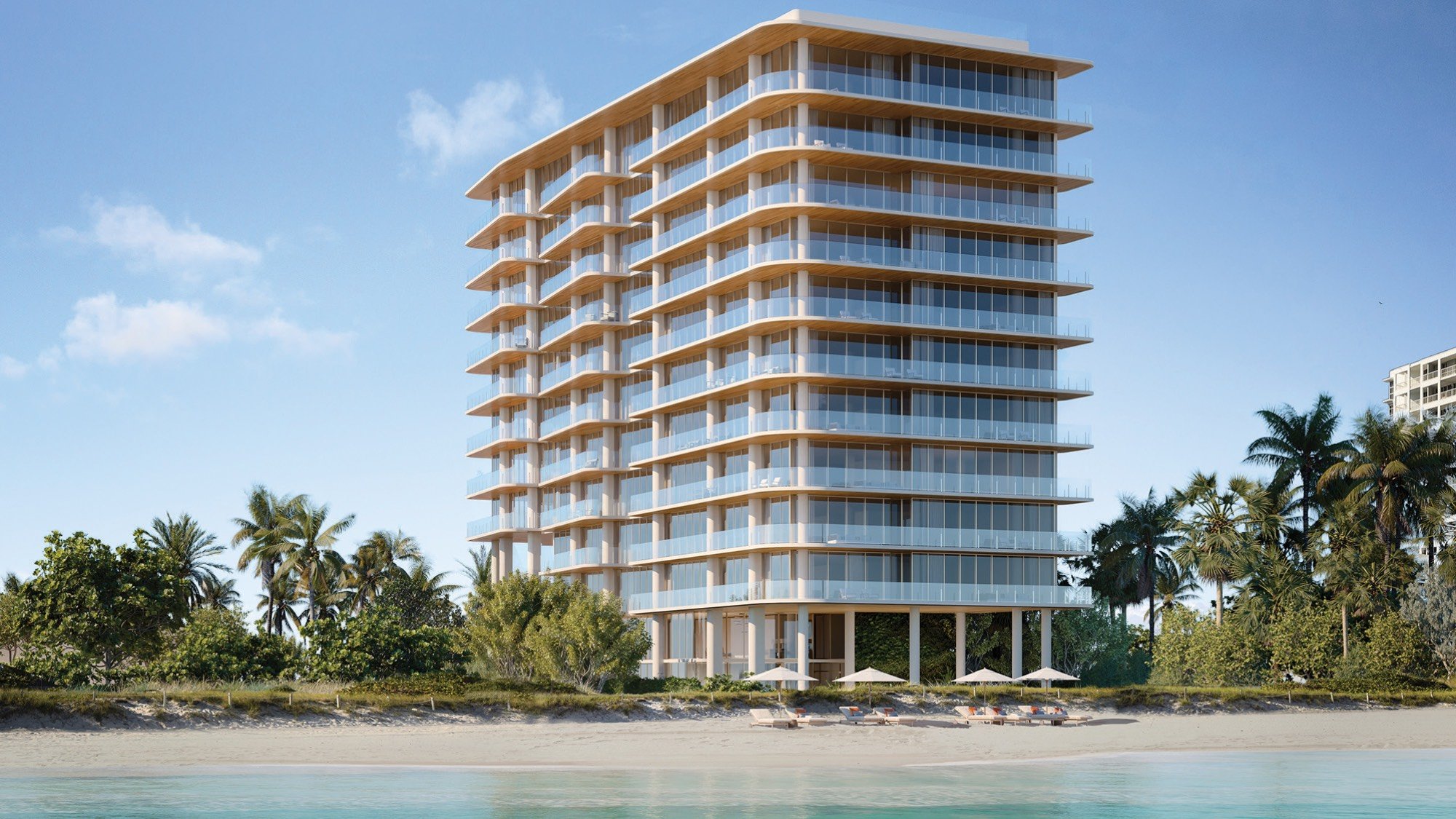
The first impression at Ocean House Surfside is naturally architectural: direct Atlantic exposure, expansive glazing and considered residential spaces. The more revealing tour begins afterward, when a buyer examines how the property functions behind the visible finishes.
For a long-duration asset, operations shape daily comfort, ownership costs and resilience. Oceanfront beauty and boutique scale can be compelling, but neither substitutes for evidence about equipment, personnel and governance. This is the essential distinction between admiring a residence and underwriting the building that supports it.
Mechanical diligence should begin with an inventory of essential equipment, including its age, maintenance history and replacement planning. Buyers should ask which systems have redundancy, whether service contracts are current and how recurring issues are logged and resolved. The objective is not a general assurance that everything is maintained. It is a clear understanding of the record.
Backup power deserves a separate conversation. Which systems are connected? How long can emergency operations continue? Do elevators, pumps, access controls, communications or selected common areas remain available? Management should also explain which residential services stop during an outage and how residents receive updates.
When comparing Ocean House with nearby choices such as Arte Surfside, the useful comparison is not simply amenity against amenity. It is the scope, redundancy and documented care of the infrastructure supporting each ownership experience.
Luxury service is an operating system built around people. A buyer should map the management structure and ask about engineering coverage, security, front-desk operations, housekeeping and overnight response. Headcount alone is incomplete. Tenure, training, turnover and reliance on third-party contractors can reveal more about consistency.
Ask who has authority when an issue arises after normal hours, how requests are escalated and whether engineering support is on-site or on call. The answers should clarify responsibility and response capacity. A discreet building may feel effortless precisely because its protocols are not improvised.
The same lens is useful when considering established Surfside addresses such as The Surf Club Four Seasons Surfside. Service models may differ, so buyers should compare what is actually staffed, contracted and available rather than rely on broad luxury labels.
Association diligence should encompass current budgets, reserve funding, meeting minutes, pending assessments, insurance coverage and the history of major repairs. These materials can reveal whether common charges reflect normalized operating needs or a temporarily restrained budget that could require later increases.
Look for alignment among the reserve study, capital-improvement schedule and recent meeting discussions. If a substantial project appears in one document but not another, request clarification. Ask how cost estimates are updated, how priorities are set and what approval process applies to future work.
Insurance also requires precision. Buyers should request the applicable policies, coverage summaries, deductibles and renewal information, then review them with qualified advisers. The purpose is to understand the association's allocation of risk and the owner's potential exposure, not merely to confirm that a policy exists.
An investment decision at this level should account for governance quality. Comparable views and finishes can produce very different ownership outcomes when reserve discipline, maintenance planning or decision-making diverge.
Salt air, wind-driven rain and intense weather make coastal maintenance a continuing discipline. At Ocean House Surfside, questions should address waterproofing, façade and balcony care, corrosion control, roof condition and drainage. Request inspection reports, repair histories, warranties and the schedule for the next planned review.
Hurricane preparation should be equally specific. Ask when storm protocols begin, who secures common areas, how flood exposure is addressed and which communication channels are used. Evacuation procedures and the anticipated sequence for restoring resident services should be documented.
A buyer touring another oceanfront option such as The Delmore Surfside should apply the same questions while recognizing that each property may have a distinct operating plan. Consistent diligence creates a more meaningful comparison than presentation alone.
Before the contract timeline becomes compressed, request the operating budget, reserve study, meeting minutes, insurance materials, inspection reports, service contracts and capital schedule. Ask the seller for notices or records relevant to the residence, and direct building-level questions to management or the association.
Verbal explanations can provide context, but documentary alignment is the stronger signal. Sophisticated diligence tests whether the systems, staffing and financial plan tell the same story. When they do, a buyer can assess not only the residence offered today, but also the building's capacity to preserve service quality over time.
What should a buyer request immediately after touring Ocean House Surfside? Request budgets, reserve materials, meeting minutes, insurance documents, inspection reports, service contracts and the capital schedule.
Why does equipment age matter? Age, maintenance history and planned replacement help frame reliability and potential future capital needs.
Which backup-power questions are most important? Ask which systems are supported, how long emergency operations can continue and which resident services remain available.
How should staffing quality be assessed? Review coverage, reporting lines, tenure, training, turnover, contractor use and overnight response capacity.
Are current common charges enough to judge operating costs? No. Determine whether they reflect normalized expenses or a restrained budget that could lead to increases.
Which association records deserve close attention? Focus on budgets, reserves, minutes, assessments, insurance and the history of significant repairs.
What coastal conditions should diligence address? Review waterproofing, façades, balconies, corrosion control, roofing, drainage and salt-air exposure.
What should a hurricane plan explain? It should address preparation, flood exposure, communications, evacuation and restoration of resident services.
Should verbal assurances influence the decision? Treat them as context and seek supporting documents before relying on any operational representation.
Why can operations affect long-term value? Systems, service consistency and governance can influence ownership costs, daily experience and long-term risk.
To compare the best-fit options with clarity, connect with MILLION.
If branded residences are on your mind — as a home or as an allocation — we would be glad to share what we are seeing, privately.
Begin a quiet conversation