A considered two-city life requires more than a Florida address. Understand California’s residency analysis, build an accurate travel calendar, and align domicile records with the way you actually live.
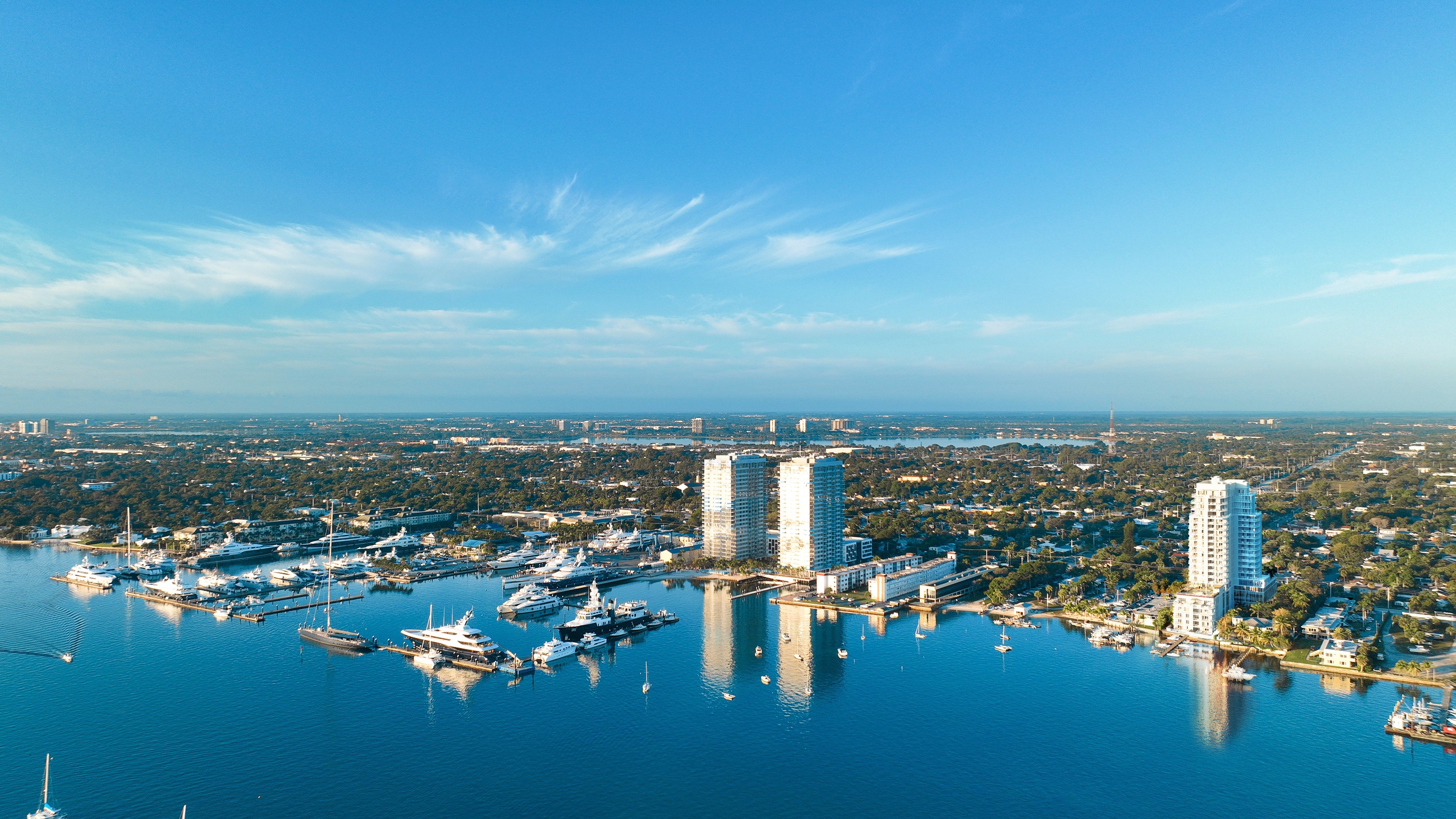
A life between Beverly Hills and West Palm Beach can accommodate two distinct rhythms: established California relationships and a Florida home chosen for the next chapter. The practical challenge is not simply dividing the year. It is ensuring that travel, household arrangements, business activity, and records present a consistent, accurate account of where your permanent home lies.
For a buyer considering Alba West Palm Beach, the residence decision and the residency decision should proceed together while remaining distinct. Purchasing a home creates a property connection. It does not, on its own, establish Florida domicile or end California residency.
Start with a discussion with state-tax counsel about the life you intend to lead. Then build a calendar and documentation system that reflects what actually happens.
California residency depends on domicile, the purpose and duration of time spent inside or outside the state, and personal and economic connections. Spending fewer than 183 days in California does not, by itself, establish nonresidency. Nor does spending 183 days in Florida automatically make Florida your domicile.
Domicile is the true, fixed, permanent home and principal establishment, coupled with the present intention of remaining there. Changing it requires both establishing the new permanent home and abandoning the former domicile. A new mailing address is not enough.
A California-domiciled person may remain a California resident during a temporary or transitory absence. Conversely, retaining a Beverly Hills property is a relevant connection, but ownership alone does not settle the question. The analysis looks beyond the deed to the overall pattern of life.
For buyers weighing Forté on Flagler West Palm Beach, the useful question is not whether the address looks permanent on paper. It is whether the household genuinely intends to make its Florida home its permanent base-and uses it accordingly.
A planned travel calendar is a management tool, not proof of physical presence. Maintain a daily log of where you actually were, the purpose of each trip, and any changes to the original itinerary.
For travel days, preserve departure and arrival details and identify partial-day presence in each state. Do not assume that every partial day counts as a California day under every rule. Counting conventions depend on the provision being applied, so counsel should determine how to treat the underlying information.
Reconcile the log monthly with supporting material such as travel confirmations, lodging records, and appointment calendars. Record discrepancies while events are still easy to reconstruct. A canceled reservation should not remain in the file as evidence of a trip that never occurred.
Separate business visits from personal stays. Services performed in California can remain relevant to California-source income even after a genuine residency change. Recording the purpose and location of work helps keep the presence analysis distinct from the income analysis.
No single registration or document determines residency. California’s indicators include driver licenses, vehicle registrations, voter registration, banking relationships, physicians, and social affiliations. The location of a spouse and children, the principal residence, and personal belongings also helps identify the closest connections.
Create a records inventory with counsel rather than treating these items as a mechanical checklist. Record what changed, when it changed, and whether it matches the household’s actual arrangements. Where a California connection remains, describe it accurately rather than trying to erase it from the narrative.
The same discipline applies to professional life. Significant business interests and professional relationships in Beverly Hills remain relevant even when a Florida residence is maintained. A Florida address should not be presented as evidence that California work has ceased if it has not.
When considering Mr. C Residences West Palm Beach, evaluate the home against ordinary routines, not just occasional stays. Where will the family live, where will important belongings remain, and how will the household use each property? Those questions are more useful than accumulating favorable documents in isolation.
Florida homestead eligibility generally requires qualifying ownership and use of the property as the owner’s or a qualifying dependent’s permanent residence. For a particular tax year, ownership and permanent-residence status generally must exist by January 1, followed by an application to the county property appraiser.
The application requests residency-related evidence, including driver-license, vehicle-registration, voter-registration, and prior-residence information. Prepare those materials consistently with the broader domicile file, while recognizing that Florida property-tax eligibility and California income-tax residency require separate analyses.
Homestead approval should not be treated as binding on California. For a purchase under consideration at Shorecrest Flagler Drive West Palm Beach, distinguish the purchase decision, actual permanent-residence status, and the relevant January 1 eligibility date. Do not assume they coincide.
California’s employment-related safe harbor is not a general permission to alternate between two personal homes. Under the 2024 rules, it generally requires an absence under an employment-related contract lasting at least 546 consecutive days, subject to exceptions.
California return visits totaling no more than 45 days in a taxable year are permitted without interrupting the qualifying absence. The safe harbor does not apply when income from stocks, bonds, notes, or other intangible property exceeds $200,000 in a taxable year during the qualifying period, or when the principal purpose of the absence is avoiding California personal income tax.
These conditions require individual review. Voluntary seasonal living does not, by itself, satisfy the employment-contract requirement. Verify the rules for the relevant tax year before building a strategy around these figures.
California nonresidents can still owe California tax on California-source income, including services performed there, California rental income, and California business activity. Part-year residents are generally taxed on worldwide income during the resident period and California-source income during the nonresident period.
Federal tax home is another distinct concept: it generally means the regular or main place of business, employment, or duty, regardless of where the family home is maintained. Do not use it interchangeably with state domicile.
A measured annual routine can make the two-city arrangement easier to manage: check January 1 homestead eligibility, reconcile travel monthly, review domicile records quarterly, and preserve a year-end evidence file. These are planning recommendations, not legal thresholds or a guaranteed residency strategy. The objective is an accurate record of a genuinely chosen life, reviewed with advisers who understand both states.
Explore residences for your next chapter with MILLION.
If branded residences are on your mind — as a home or as an allocation — we would be glad to share what we are seeing, privately.
Begin a quiet conversationNo. California considers domicile, the purpose and duration of time in each state, and personal and economic connections rather than a single day-count rule.
Not by itself. Changing domicile requires establishing the new permanent home and abandoning the former domicile, with conduct that supports that change.
Keeping the property is a relevant California connection, but ownership alone does not determine residency. The overall pattern of personal and economic connections matters.
Record actual daily locations, trip purposes, itinerary changes, and departure and arrival details for partial-day travel. Reconcile the log regularly with supporting records.
There is no universal counting convention for every residency provision. Preserve the details and have counsel apply the rules relevant to your situation.
Relevant indicators include licenses, vehicle and voter registrations, banking, physicians, social affiliations, family location, and personal belongings. No single indicator is determinative.
Qualifying ownership and permanent-residence status generally must exist by January 1 for the relevant tax year. An application to the county property appraiser follows.
No. Florida property-tax eligibility and California income-tax residency are separate analyses, so homestead approval should not be treated as binding on California.
Voluntary alternating does not, by itself, satisfy the employment-contract requirement. The 2024 rules generally require at least 546 consecutive days of qualifying absence, subject to return-visit limits and other exceptions; verify the applicable tax-year rules.
Yes. California-source income can remain taxable, including income from services performed in California, California rentals, and California business activity.