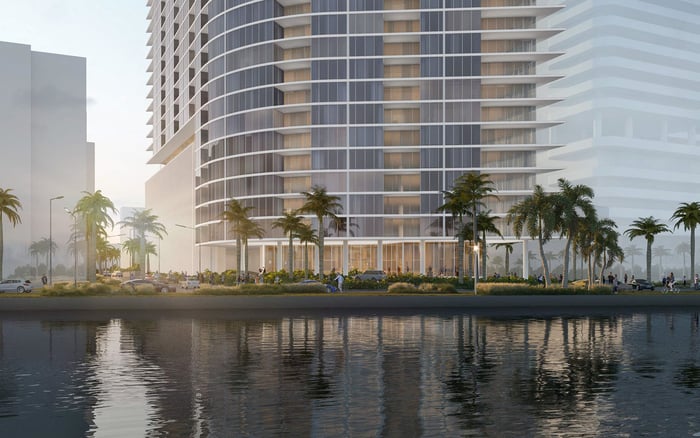
For buyers comparing Alba and Mandarin Oriental Residences, West Palm Beach, water protection deserves its own diligence file. The meaningful comparison is not branding, but documented sensor coverage, shutoff capability, emergency response and responsibility for restoration.
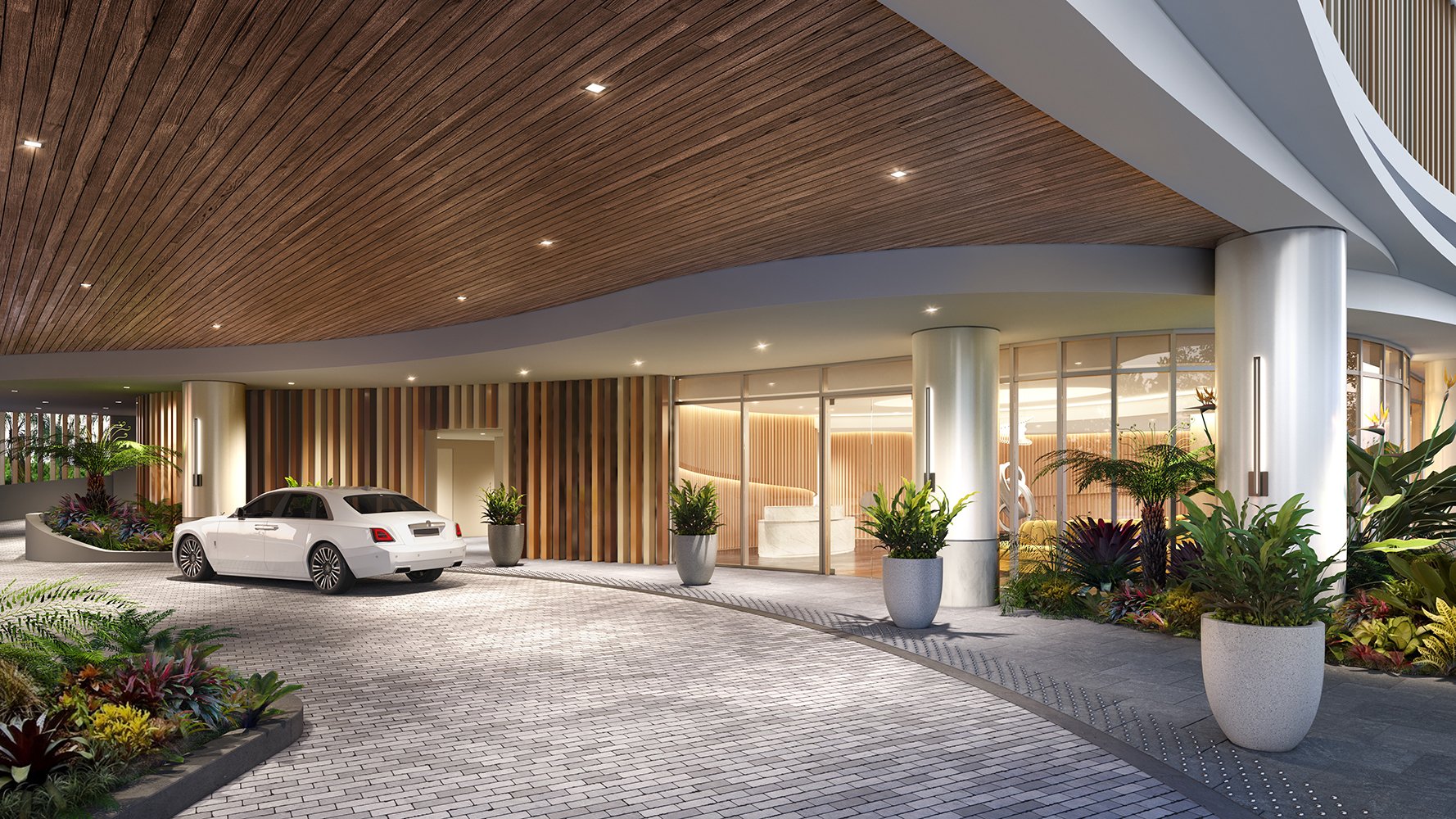
In a finely appointed residence, water protection deserves the same scrutiny as the materials it is intended to preserve. For buyers considering Alba West Palm Beach and Mandarin Oriental Residences, West Palm Beach, the question is precise: what happens between the first sign of a plumbing leak and a documented response?
Residence-level leak detection, automatic shutoff configurations and written damage-response standards are not established for either project in this comparison.
This distinction is not a negative finding. Buyers should neither assume those protections are included nor conclude they are absent. A sound comparison begins with written specifications and follows the full sequence from detection to isolation, access and restoration.
For Alba, residence-level technical details remain unconfirmed here. For Mandarin Oriental, this comparison likewise does not establish a residence-level leak-sensor or automatic water-shutoff package. Neither can responsibly be declared the stronger choice on this criterion without further documentation.
Ask each sales team for approved plumbing and low-voltage plans, equipment schedules and written confirmation of the delivery scope. The response should distinguish standard equipment from optional upgrades, common-area systems and owner-installed devices. A general assurance that a building is technologically advanced does not answer these questions.
The specification should also identify who supplies, commissions and maintains the equipment, and whether monitoring or service requires a separate agreement. Ask how those arrangements continue after management transitions or a residence changes ownership. Identical questions yield a more useful comparison than differently worded amenity descriptions.
A meaningful specification should answer three distinct questions: where water is detected, what triggers a valve to close, and which water supply that valve controls. Treat these as separate functions rather than accepting “leak protection” as a complete description.
Request a plan showing sensor locations and the spaces they cover. Ask specifically about kitchens, laundry areas, bathrooms and equipment locations, without assuming any particular placement is included. Establish whether shutoff applies to an individual fixture, a branch line or the whole residence. Common risers and mechanical rooms require a separate explanation.
The operating sequence matters just as much. Does an alarm close a valve automatically, require management intervention, or only notify the owner? Can authorized staff operate the valve remotely? Ask how closure is confirmed and the event recorded. These are buyer diligence criteria, not verified amenities at either development.
Brand identity is no substitute for a documented response protocol. For a buyer weighing service alongside design, the test is whether someone has both responsibility and authority to act when an alarm occurs.
Request named alarm recipients, 24/7 staffing arrangements and written response-time targets. Distinguish automated acknowledgement from human review, and human review from physical attendance. Ask what happens if the first recipient is unavailable, the owner cannot be reached, or the affected residence is vacant.
A management dashboard, event history, remote valve control and escalation to on-site staff or a response center are useful capabilities to request in a specification. None should be treated as confirmed at Alba or Mandarin Oriental without project documentation.
The same questions belong in a broader West Palm Beach search, including consideration of Forté on Flagler West Palm Beach. Applying one diligence standard across a shortlist avoids mistaking differences in presentation for differences in protection.
For an owner who travels frequently, request a response plan that does not depend exclusively on reaching a personal phone. Written vacant-unit access procedures should explain who may enter, how access is authorized and how the owner receives updates.
Reliability deserves its own review. Ask how detection, communications and valve operation function during a power outage or loss of connectivity. Request details on battery backup, the valve's failure position, manual override and the procedure for restoring normal operation. Do not assume one backup feature supports every component.
Maintenance should be equally explicit. Ask who tests sensors and exercises valves, how results are recorded, and what happens after a renovation or equipment replacement. Unit turnover should prompt questions about account access, notification contacts and renewed testing. A demonstration at delivery is valuable, but buyers should also understand who keeps the system operational afterward.
Ask the appropriate professional to confirm the governing jurisdiction, permit-era code, applicable amendments and system scope for each project. This comparison does not establish which code provisions govern either residence's leak-protection equipment.
If a code provision is offered as evidence of protection, ask whether it addresses manual isolation, automatic shutoff or sensor-triggered operation, and which plumbing system it covers. Do not treat a general statement of code compliance as confirmation of a specific residence-level package.
Keep questions about flood protection separate from the plumbing-leak specification. The buyer's task is to reconcile applicable requirements with the equipment and operating procedures promised in writing.
Stopping the supply is only one part of the standard buyers should request. The written damage-response procedure should also address affected-unit notification, moisture assessment, drying, incident records and insurer coordination. Ask for plumbing and restoration contacts, and identify who is authorized to engage them.
Have counsel and an insurance adviser review condominium documents and policies for repair obligations, interior finishes, emergency access, deductibles and loss assessments. Do not assume the party responding to an alarm is responsible for every resulting expense.
Before closing, request a demonstration of alarm delivery, valve closure, manual override and event logging. Reconcile the demonstration with the promised scope and document unresolved items. The stronger purchase decision rests on a clear operating plan, not an unverified claim of superior protection.
For a discreet perspective on your West Palm Beach residential shortlist, connect with MILLION.
If branded residences are on your mind — as a home or as an allocation — we would be glad to share what we are seeing, privately.
Begin a quiet conversationResidence-level sensor coverage and automatic shutoff equipment are not established here. Buyers should request written specifications rather than assume those features are included or absent.
This comparison does not establish a residence-level automatic shutoff package. Written confirmation of equipment and coverage is needed.
Neither can be ranked on the available details. A meaningful comparison requires documented sensor coverage, valve configuration and damage-response procedures for both.
Ask about kitchens, laundry areas, bathrooms and equipment locations. Request a coverage plan without assuming sensors are included in any particular space.
Request approved plumbing and low-voltage plans, equipment schedules and written confirmation of delivery scope. Clarify whether protection is standard, optional, common-area-only or owner-installed.
Ask whether the valve isolates a fixture, a branch line or the entire residence. Request a separate explanation of common-riser and mechanical-room monitoring.
Have the appropriate professional confirm jurisdiction, permit-era code, applicable amendments and system scope. Ask for documentation connecting any assurance to the specific equipment promised for the residence.
Request named alarm recipients, staffing arrangements, escalation steps and authorized access procedures. The plan should explain what happens when the owner cannot be reached.
The requested procedure should cover affected-unit notification, moisture assessment, drying, incident records and insurer coordination. Buyers should also clarify who can authorize plumbing and restoration work.
Request a demonstration of alarm delivery, valve closure, manual override and event logging. Compare the results with the written specification and document unresolved items.