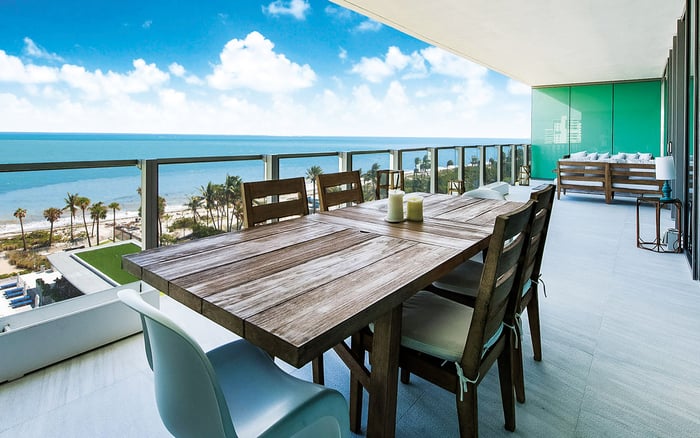
A discreet, adviser-led 2026 framework for Geneva households evaluating a Key Biscayne residence, from early brief-setting through due diligence and year-end review.

For a Geneva household considering Key Biscayne, the most useful 2026 calendar is not a countdown to relocation, but a sequence of controlled decisions. The objective is to align the residence search with family priorities, professional advice, property diligence, travel logistics, and the practical experience of life in South Florida.
This framework deliberately separates exploration from commitment. It allows buyers to compare ownership structures, test daily routines, review documents, and determine whether the property is intended primarily for lifestyle, investment, or a combination of both. Legal, tax, immigration, and insurance conclusions should remain with the relevant advisers in each jurisdiction.
Begin with a private planning conference involving the household and its core advisers. Establish who may occupy the residence, how often it may be used, whether work will be conducted from Florida, and what level of flexibility is essential. Rather than presuming a residency outcome, ask counsel to identify the records, permissions, and decisions relevant to your circumstances.
Translate that advice into a property brief. Separate essentials from preferences: privacy, staff accommodation, outdoor space, storage, parking, pet considerations, renovation tolerance, and waterfront orientation. Consider both condominium and single-family options without forcing an early conclusion.
For an initial Key Biscayne benchmark, Oceana Key Biscayne can be included in the viewing conversation. At this stage, the purpose is comparative: to understand which residential format best suits the household before negotiations begin.
Plan a focused visit that resembles ordinary life rather than a holiday. Schedule property tours alongside the routes and appointments that would shape a normal week. Observe how the household responds to the island setting, the residence itself, and the transition to other parts of Miami.
If education is relevant, use this period to arrange direct conversations with prospective schools and advisers. Avoid building the purchase calendar around an assumed admissions result. The property decision should remain resilient if timing changes.
Comparison is valuable. A visit to Vita at Grove Isle can broaden the waterfront frame, while Park Grove Coconut Grove can help buyers assess Coconut Grove as an alternative context. These are not substitutes for Key Biscayne, but useful tests of priorities.
By late spring, narrow the search to a small number of credible options. Request the documents appropriate to each property type and have qualified professionals review them. The questions will differ for a condominium and a private home, so the diligence plan should be tailored rather than generic.
Create a property scorecard covering condition, privacy, future work, visibility into carrying costs, governance, insurance questions, and exit flexibility. For resale opportunities, distinguish improvements required before occupancy from those that are merely aesthetic. A beautifully presented residence can still be unsuitable if its ownership obligations conflict with the family’s intended use.
This is also the time to test financial readiness. Confirm how funds may be transferred, how title and financing alternatives should be evaluated, and which approvals must precede an offer. Those conclusions belong to the buyer’s legal, tax, banking, and accounting teams.
Use summer for scenario planning rather than momentum. Ask what happens if the move is delayed, school timing changes, travel becomes more frequent, or the property requires unexpected work. Review security, maintenance, staffing, remote oversight, and weather-related contingency arrangements with the appropriate specialists.
A second stay can reveal whether the residence remains compelling beyond the atmosphere of a first visit. If the household is also considering an urban base, Una Residences Brickell offers a relevant comparison for evaluating island living against a Brickell address. Keep the exercise disciplined: compare routines and ownership fit, not simply finishes.
Autumn should become a decision window only when the advisory and property work is mature. Refresh the shortlist, revisit finalists, and update the scorecard. Confirm that the intended ownership approach, proposed contract terms, inspection strategy, and closing sequence have been reviewed by the responsible professionals.
Before making an offer, define the limits of negotiation. Establish a walk-away position, acceptable timing, included property, and the conditions that must be satisfied. A buyer who has resolved these points privately is better positioned to respond with precision, without allowing urgency to displace judgment.
If no residence meets the brief, preserve capital and continue observing. The calendar is a governance tool, not an obligation to transact.
If a purchase proceeds, use the final weeks of the year for execution and documentation. Coordinate closing responsibilities, property management, insurance, access, furnishings, and any planned work. Keep personal travel and property records organized, while allowing advisers to determine what is relevant.
If the search remains open, conduct a year-end review. Identify which assumptions changed, which property type performed best in comparison, and whether Key Biscayne still satisfies the household’s central objectives. Update the 2027 brief without allowing sunk time to create pressure.
The strongest outcome may be a purchase, a refined shortlist, or a deliberate decision to wait. Each can be successful when it reflects evidence gathered by the family and advice tailored to its affairs.
Maintain a single secure decision file containing the calendar, adviser questions, property scorecards, visit notes, document requests, and approvals. Use separate sections for legal, tax, immigration, financing, insurance, education, and property matters, ensuring that one discipline does not substitute for another.
Record decisions with dates and responsible parties. This creates continuity between Geneva and Miami, reduces duplicated work, and gives the household a clear view of what remains unresolved. It also preserves discretion by limiting sensitive information to the professionals who require it.
When should a Geneva buyer begin planning a 2026 move? Begin early enough to define the household brief and obtain individualized advice before selecting a property.
Is this calendar a legal or tax residency test? No. Qualified advisers should assess the applicable rules and the buyer’s specific facts.
Should property tours begin before adviser meetings? Exploratory tours can help, but material commitments should follow advice on structure, timing, and documentation.
How many homes should make the serious shortlist? Keep it small enough to allow detailed comparison, repeated visits, and property-specific diligence.
Should buyers compare Key Biscayne with other Miami neighborhoods? Yes. Carefully chosen comparisons can clarify priorities around privacy, access, setting, and residence type.
What should a property scorecard include? Include condition, privacy, carrying obligations, governance, insurance questions, future work, and exit flexibility.
When should schools enter the planning process? Address education early, but keep school discussions and the property transaction on coordinated, separate tracks.
Is autumn automatically the best time to make an offer? No. Act only when the property, advisory work, diligence plan, and negotiation limits are aligned.
What if no residence satisfies the brief in 2026? Retain the shortlist, document what was learned, and revise the calendar without creating artificial urgency.
Who should coordinate the overall process? Designate one trusted lead while preserving clear roles for legal, tax, immigration, financial, and property specialists.
If you'd like a private walkthrough and a curated shortlist, connect with MILLION.
If branded residences are on your mind — as a home or as an allocation — we would be glad to share what we are seeing, privately.
Begin a quiet conversation