A discreet buyer’s comparison of branded residence value, lifestyle fit, and long-term positioning between Fort Lauderdale and Palm Beach.
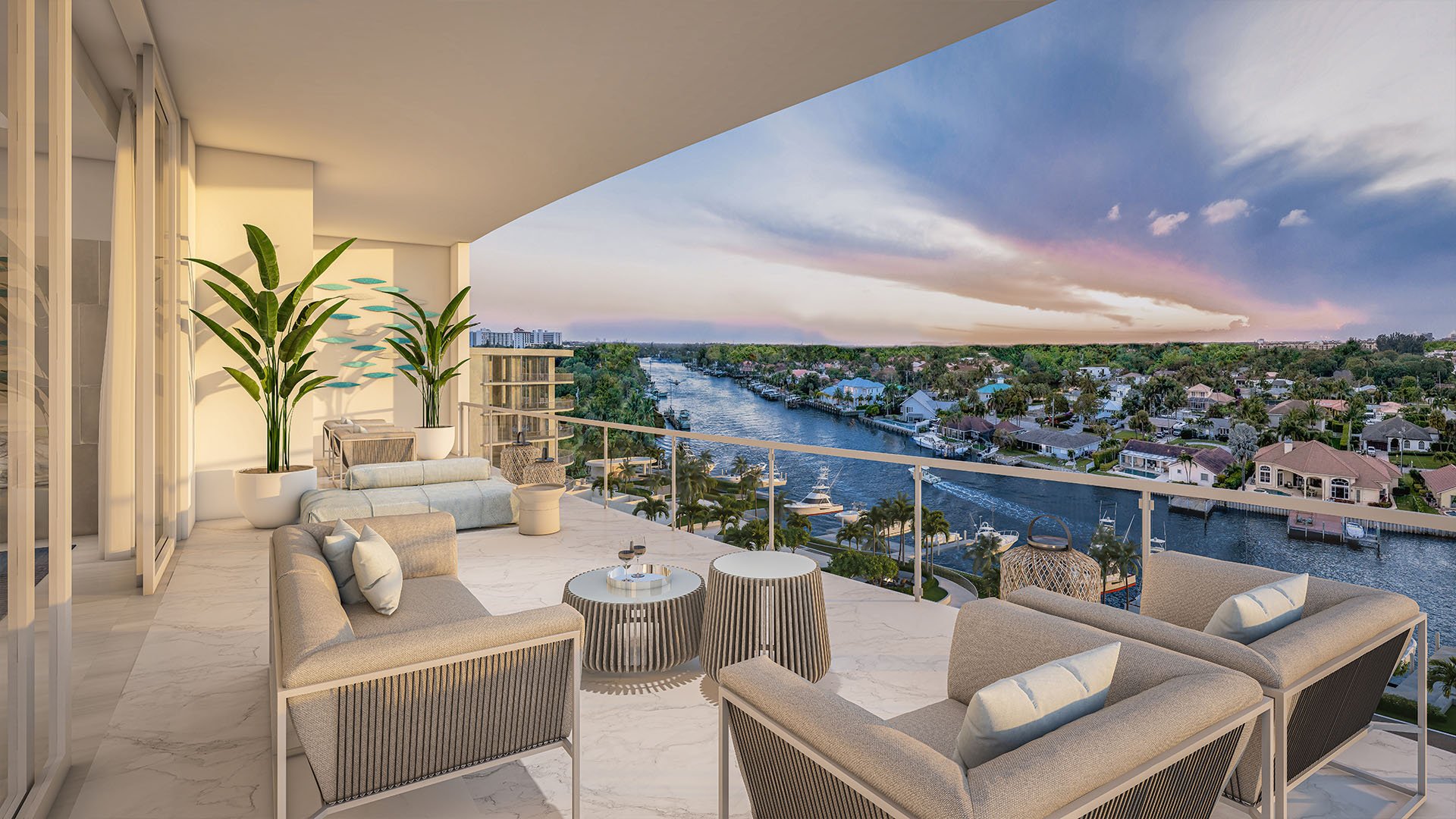
For ultra-premium buyers, the comparison between Four Seasons Private Residences Fort Lauderdale and Ritz-Carlton Residences Palm Beach is not a simple contest of logos. Both names sit in the rarefied category where hospitality language, residential privacy, and asset preservation meet. The more useful question is which ownership experience best supports a buyer’s life, family rhythm, and long-term view of South Florida.
Branded residence value is rarely created by the brand alone. It comes from the alignment of brand promise, location, building culture, services, privacy, architecture, and resale confidence. A buyer who wants a polished coastal base near the energy of Fort Lauderdale may read Four Seasons differently than a buyer drawn to Palm Beach for quieter legacy ownership. Neither approach is inherently superior. Each expresses a distinct version of South Florida luxury.
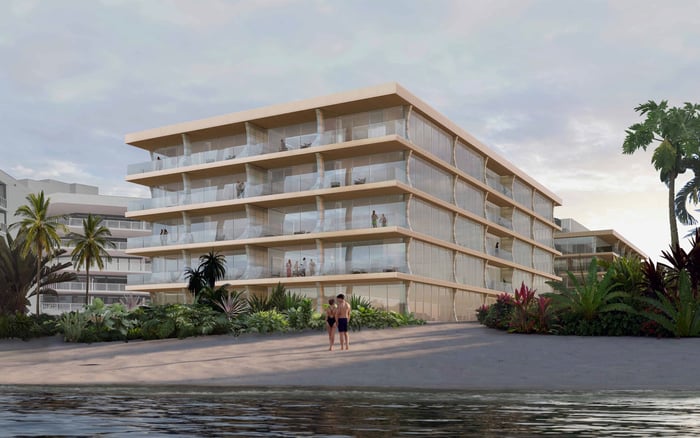
In the Broward conversation, Four Seasons Hotel & Private Residences Fort Lauderdale is often evaluated through the lens of beach proximity, hospitality fluency, and an easier connection to the broader South Florida corridor. Ritz-Carlton Residences Palm Beach, by contrast, belongs to a market psychology shaped by discretion, established wealth, and a more residential sense of arrival.
A hospitality brand gives buyers an immediate vocabulary. Four Seasons suggests calm service, refined consistency, and a soft-spoken resort sensibility. Ritz-Carlton suggests formality, heritage, and a disciplined approach to service. In a private residence, those associations matter because they reduce uncertainty for buyers who may be purchasing from afar, holding multiple homes, or delegating day-to-day property needs.
Yet brand equity has limits. A buyer still needs to test the residence as a home. Floor plan, light, privacy, parking experience, service culture, view orientation, and the behavior of the owner community all influence practical value. The best branded residences feel effortless after closing, not merely impressive during a presentation.
This is especially important in the oceanfront tier, where buyers often have choices across multiple coastal markets. The question becomes whether the residence supports repeat use, seasonal living, guest hosting, and eventual resale without friction. A strong brand can help create confidence, but it cannot replace sound unit selection.
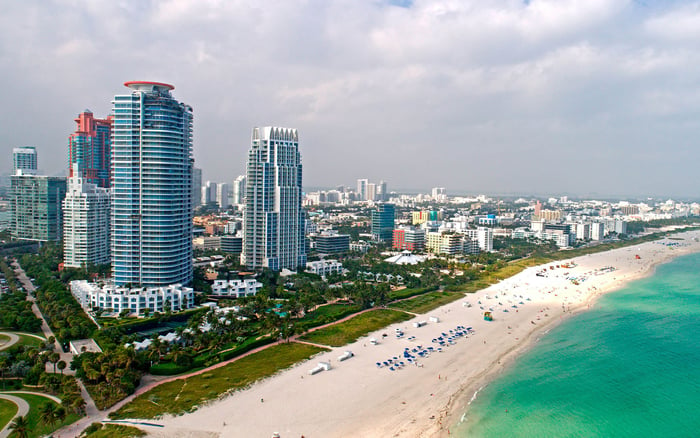
Four Seasons Private Residences Fort Lauderdale is likely to resonate with buyers who want refined service without feeling removed from daily life. Fort Lauderdale has matured into a luxury market with its own identity, particularly for buyers who value boating culture, beach access, private aviation convenience, and a more relaxed coastal cadence than Miami’s most intense districts.
The Four Seasons sensibility is particularly effective for owners who want their residence to feel calm, curated, and professionally supported. The value proposition is not only prestige. It is how the building may function for an owner arriving for a long weekend, hosting family, or using the residence seasonally. For many buyers, the most valuable amenity is not spectacle. It is reliability.
There is also a psychological advantage to Fort Lauderdale for certain buyers. It can feel sophisticated without demanding the same social density found in more performative markets. For an investment-minded owner, that balance can be meaningful: a recognizable brand, a coastal setting, and a buyer pool that may include both end users and second-home purchasers.
Ritz-Carlton Residences Palm Beach speaks to a different emotional register. Palm Beach and its surrounding luxury market are associated with privacy, tradition, club culture, and generational ownership. Buyers are often not looking for novelty. They are looking for continuity, polish, and a residence that will feel appropriate today and restrained years from now.
The Ritz-Carlton name can be especially persuasive for buyers who prefer a more formal hospitality cue. It suggests structure, recognition, and a service standard that many affluent travelers already understand. In a residential setting, that familiarity can support confidence for buyers who want less experimentation and more assurance.
Palm Beach also carries a scarcity mindset that differs from Fort Lauderdale’s growth narrative. Buyers may place greater weight on social context, privacy, neighborhood tone, and the feeling of belonging to an established residential world. For some, this is the central value driver. The home is not simply a place to stay. It is an anchor within a carefully chosen social and geographic orbit.
The first comparison should be lifestyle, not price. A Fort Lauderdale buyer may prioritize ease of movement, marina access, a beach-forward rhythm, and a residence that supports frequent arrivals. A Palm Beach buyer may prioritize discretion, architectural restraint, and a sense of separation from the busier coastal corridor.
This distinction matters because branded residences often attract buyers who are already financially qualified across several options. The decision becomes qualitative. How does the lobby feel on a weekday morning? Does the service posture match the owner’s personality? Is the building likely to feel too social, too quiet, too hotel-like, or too residential? These questions reveal more than a brand brochure ever can.
Four Seasons may suit the buyer who wants warmth, resort ease, and an understated hospitality presence. Ritz-Carlton may suit the buyer who wants a more ceremonial sense of service and the gravitas associated with a legacy market. Both can be correct choices when the buyer’s private life is placed at the center of the analysis.
The branded residence premium is most defensible when it remains legible to the next buyer. A future purchaser should immediately understand why the residence commands attention: the service model, the brand discipline, the location, the building’s condition, and the lifestyle it enables. If that story is clear, the brand can support liquidity.
Resale strength also depends on avoiding compromises that affluent buyers notice quickly. Weak views, awkward layouts, limited privacy, or a mismatch between building culture and target buyer can dilute the brand advantage. In this tier, buyers are rarely forced to accept inconvenience. They pay for the absence of friction.
For Four Seasons Fort Lauderdale, the resale narrative may be strongest when the residence captures the ease and coastal identity of the city. For Ritz-Carlton Palm Beach, the resale narrative may be strongest when the home reinforces privacy, permanence, and an elevated residential tone. The better purchase is the one whose story remains coherent in both personal use and eventual exit.
Four Seasons Private Residences Fort Lauderdale and Ritz-Carlton Residences Palm Beach represent two refined but distinct interpretations of branded living. One leans toward coastal ease and service-led livability. The other leans toward quiet permanence and legacy-market confidence. The difference is subtle but consequential.
A disciplined buyer should not ask which name is more luxurious in the abstract. The better question is which residence will be used more often, age more gracefully, and speak most clearly to the next owner. In South Florida’s highest tier, value is not merely purchased. It is protected through fit, restraint, and intelligent selection.
Which has stronger brand value, Four Seasons or Ritz-Carlton? Both have strong recognition, but value depends on how the specific residence, location, and service model align with buyer demand.
Is Fort Lauderdale better for a second home than Palm Beach? Fort Lauderdale may suit buyers seeking coastal ease and connectivity, while Palm Beach may suit those prioritizing privacy and tradition.
Does a branded residence always command a premium? A brand can support a premium, but only when the residence also offers strong livability, privacy, condition, and resale clarity.
Who is the Four Seasons Fort Lauderdale buyer? Often, it is a buyer who wants polished service, beach-oriented living, and a relaxed South Florida base.
Who is the Ritz-Carlton Palm Beach buyer? Often, it is a buyer who values discretion, heritage, service formality, and a quieter residential context.
Should buyers prioritize amenities or floor plan? Amenities matter, but floor plan, light, privacy, and daily ease usually have greater long-term importance.
Is branded living suitable for full-time ownership? Yes, when the building culture feels residential enough and the service model supports daily routines without feeling intrusive.
What is the main resale risk in branded residences? The main risk is overpaying for the name while accepting compromises that future luxury buyers may reject.
Can brand recognition help international buyers? Yes, familiar hospitality names can reduce uncertainty for buyers comparing homes from outside the local market.
What should a buyer compare first? Start with lifestyle fit, then evaluate the residence, building culture, privacy, and long-term exit logic.
For a tailored shortlist and next-step guidance, connect with MILLION.
If branded residences are on your mind — as a home or as an allocation — we would be glad to share what we are seeing, privately.
Begin a quiet conversation