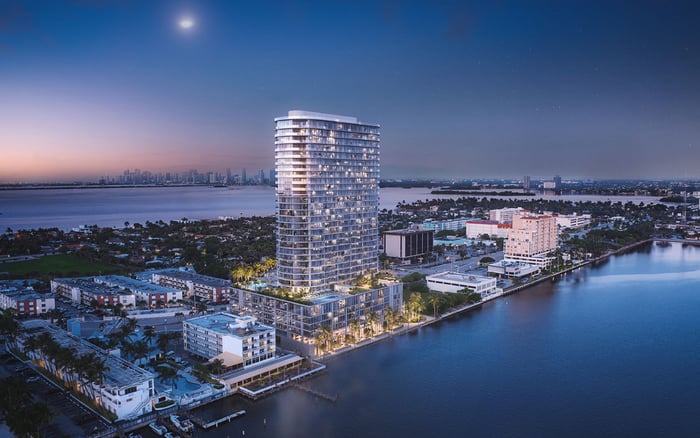
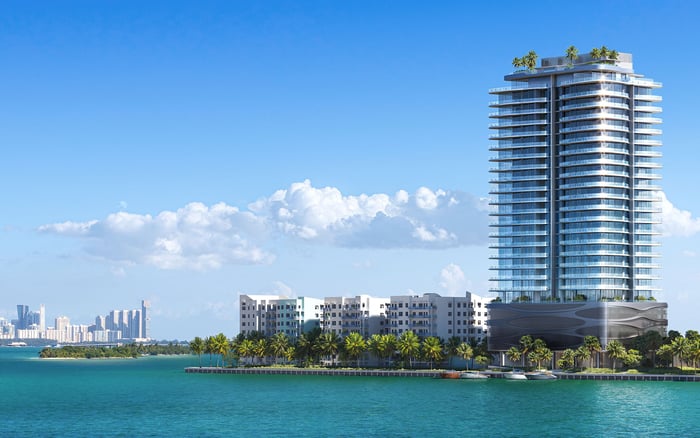
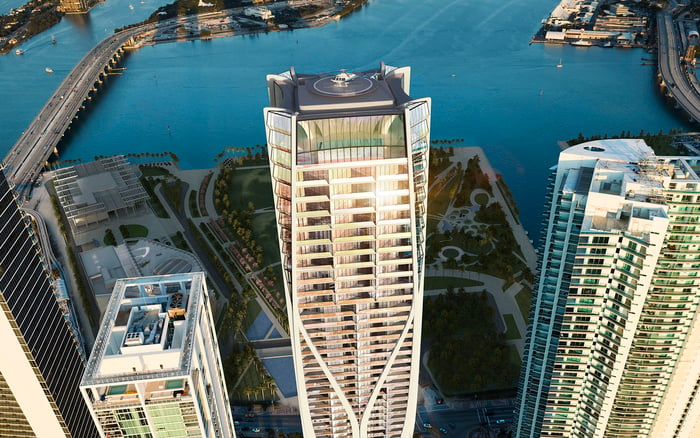
For seasonal owners, the most consequential luxuries may be the least photogenic: a composed arrival, intuitive elevator access, dependable valet choreography, and a residence that can be opened or closed without friction.
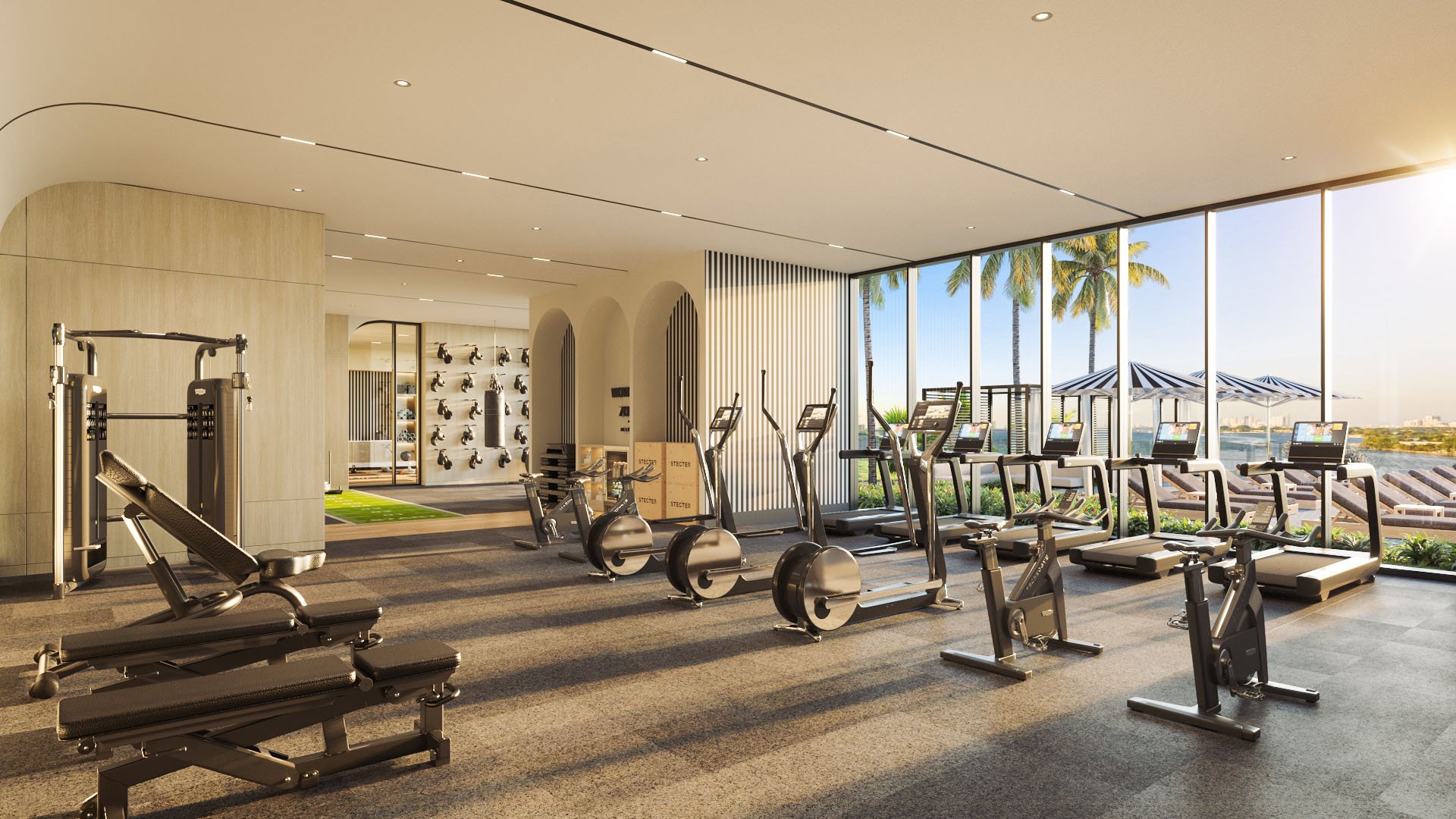
A seasonal residence is experienced differently from a primary home. Its owner may arrive after a flight with luggage, guests, provisions, and a car that needs to disappear quickly. The first ten minutes can therefore reveal more about a building than an afternoon spent touring its pool deck.
In North Bay Village, buyers comparing Continuum Club & Residences North Bay Village, Shoma Bay North Bay Village, and other residential options should look beyond the amenity narrative. The more incisive question is operational: How gracefully does the building move an owner from curb to residence, and how reliably can it repeat that experience throughout the season?
That distinction is central to second-home ownership. Amenities may shape the initial emotional response, but circulation, staffing, access control, and service protocols define everyday ease.
“Private elevator” can describe several arrangements, and buyers should clarify precisely what the phrase means in practice. Does the elevator open directly into the residence, a private vestibule, or a shared landing? How is guest access authorized? Where do deliveries wait? What happens when household staff, contractors, or multiple guests arrive at once?
A direct arrival can feel exceptionally composed, but privacy should not create operational ambiguity. Owners should understand how credentials are issued, whether access can be managed remotely, and how the building handles a lost device or an unexpected visitor. They should also walk the complete route from the garage or valet stand to the elevator rather than viewing the residence only after being escorted upstairs.
The best test is simple: Imagine arriving late with luggage while another household member is already inside. Every door, handoff, call, and credential should make intuitive sense.
Valet service is not merely an amenity. It is a choreography of the entry drive, vehicle queuing, staffing, key control, retrieval communication, guest parking, and the distance between curb and lobby. A polished porte cochere can still feel inconvenient if cars stack awkwardly or retrieval requests lack a clear procedure.
Buyers should visit at more than one time of day and observe the arrival sequence without rushing. Where does a rideshare stop? Can two households unload simultaneously? Is luggage protected from the weather? Is there a comfortable place to wait without obstructing the lobby? If an owner keeps a vehicle on-site for months, what procedures govern its access and care during an absence?
This is where lifestyle becomes logistics. The quality of valet flow is most apparent not during a quiet private tour, but when residents, dinner guests, deliveries, and service providers converge.
A useful comparison begins at the street, not inside the sales gallery. Follow the route through the vehicle entrance, unloading point, lobby threshold, security interaction, elevator bank, and residential door. Note every place where a guest could become confused or an owner might require staff intervention.
When reviewing Tula Residences North Bay Village, buyers can use the project conversation to request a precise explanation of resident, guest, delivery, and service circulation. The same discipline applies when comparing La Baia North Bay Harbor Islands or considering a different pattern of ownership elsewhere in Miami-Dade.
The objective is not to identify a universally superior configuration. It is to find the one that fits the household. An owner who entertains frequently may prioritize guest processing, while a highly private couple may place greater value on direct, controlled movement.
Waterfront appeal is immediate, but seasonal ownership rewards less visible forms of readiness. Ask how luggage, groceries, florals, catering teams, pet care, housekeeping, and maintenance personnel enter the building. Determine whether service movement is separated from resident arrival and whether large deliveries require advance scheduling.
Owners should also examine the transition between the private residence and shared circulation. A beautiful elevator vestibule may need space for luggage without blocking a door. A generous foyer may still prove inconvenient if deliveries cannot be released securely. Storage, package handling, and access permissions deserve the same scrutiny as finishes because they affect every opening and closing of the home.
A well-resolved building should make complex service appear effortless while preserving discretion for residents and guests.
Before committing, request written building policies and review the governing documents with appropriate legal and financial advisers. Operational questions should address valet hours and procedures, parking rights, guest credentials, delivery windows, elevator reservations, move protocols, storage, staffing, and emergency access.
Then test likely scenarios. Ask the representative to explain a Friday evening arrival with two vehicles and six guests. Consider a departure during which luggage must be collected while housekeeping closes the residence. Explore how an authorized property manager enters during the owner’s absence and how temporary access is revoked afterward.
These questions are especially important when evaluating new construction, where buyers may be assessing plans, proposed procedures, and anticipated service models rather than observing a mature operation. Brochure language should be distinguished from enforceable rights, published policies, and services that may evolve.
The most refined choice is often the building whose operating logic aligns with the owner’s habits. Privacy, speed, and hospitality are not interchangeable, but the right circulation plan can balance all three.
What should a seasonal owner verify about private elevator access? Confirm where the elevator opens, who can authorize access, and how guests, staff, and deliveries are handled.
Is a private elevator always preferable to a shared elevator bank? Not necessarily. The better choice depends on security, waiting times, access controls, service circulation, and the household’s privacy preferences.
How can a buyer evaluate valet flow before purchasing? Walk the complete arrival route and, when possible, observe vehicle movements at different times rather than relying solely on renderings.
Which valet questions matter for seasonal use? Ask about retrieval procedures, guest vehicles, rideshares, long absences, key control, staffing, and luggage handling.
Why does service circulation matter? It determines how deliveries, housekeeping, contractors, and catering teams reach the residence without disrupting the primary arrival experience.
Should buyers test guest access during a tour? Yes. Request a step-by-step explanation of how an unaccompanied guest moves from the entrance to the residence.
What documents can clarify elevator and parking rights? Review governing documents, purchase materials, parking assignments, access policies, and applicable service rules with qualified advisers.
How should an owner plan for long absences? Establish authorized contacts, controlled access, inspection routines, emergency procedures, and a clear process for reopening the residence.
Do amenities still matter in a seasonal building? Yes, but their value should be weighed against the systems an owner will use during every arrival, departure, and service visit.
What is the most useful comparison between buildings? Compare the same real-life scenarios at each property, including luggage arrival, guest entry, vehicle retrieval, deliveries, and closing the home.
For a tailored shortlist and next-step guidance, connect with MILLION.
If branded residences are on your mind — as a home or as an allocation — we would be glad to share what we are seeing, privately.
Begin a quiet conversation