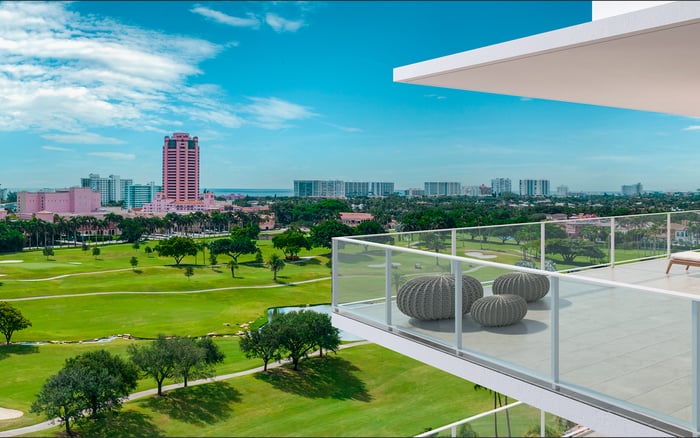
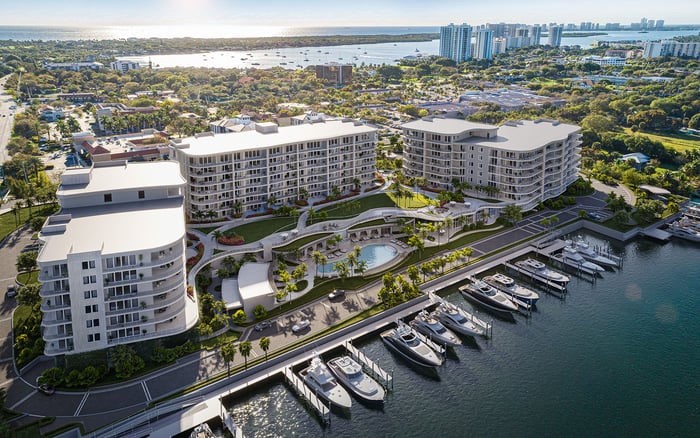
A discreet buyer’s guide for Boston families weighing Boca Raton private-club residences, with attention to club culture, service, schools, access, and long-term livability.
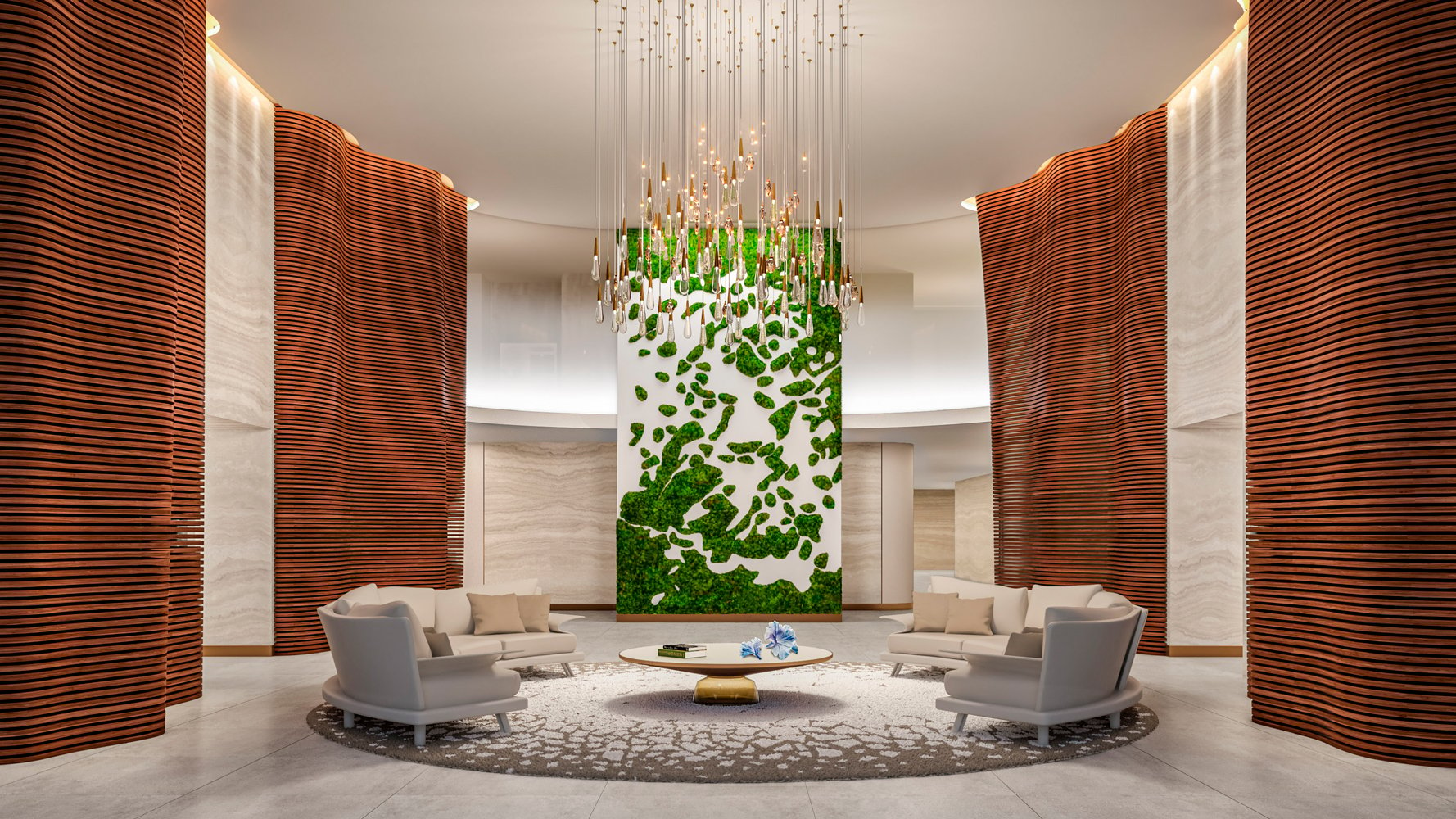
For a Boston buyer considering Boca Raton, the question is rarely whether South Florida is desirable. The more useful question is how life should function once you arrive. A private-club residence is not simply a home with amenities. It is a framework for daily life, shaping where you dine, who your children meet, how weekends unfold, and how much friction disappears from the ordinary work of ownership.
The best purchase begins with a candid inventory. Do you want a year-round primary residence, a seasonal base, or a lock-and-leave home that works on limited notice? Are you seeking social continuity, golf, wellness, marina proximity, beach access, or simply a quieter setting with higher service standards? For many buyers, Boca Raton becomes the shorthand, but the smarter exercise is to distinguish Boca Raton itself from the broader club-residence landscape that extends through Palm Beach County and into select coastal enclaves farther south.
This is where the private-club decision becomes more personal than numerical. Price, views, and finish level matter, but they do not answer the central question: will the club and residence support the life you are trying to build?
Boston buyers often arrive with a preference for established environments. They tend to appreciate discretion, institutional quality, and a sense that community is earned rather than manufactured. Boca Raton answers that instinct with a residential language built around privacy, polished service, and club adjacency. The appeal is not only the weather. It is the prospect of moving from a dense, appointment-driven urban routine into a setting where leisure, fitness, dining, and family logistics sit closer together.
A private-club residence can also reduce uncertainty. A well-chosen building or community offers a familiar cadence from the first season: morning fitness, lunch with friends, afternoon tennis or golf, evening dining, and a social calendar that does not require constant planning. That rhythm is particularly valuable for buyers who are not relocating all at once. A seasonal residence must feel complete even when occupied intermittently.
Still, Boca Raton is not a single product. A buyer comparing Alina Residences Boca Raton with The Residences at Mandarin Oriental Boca Raton is not merely comparing architecture or brand language. The real comparison is between two different ideas of convenience, service, address, and daily access.
The mistake is falling in love with interiors before understanding the club ecosystem. A marble island can be replaced. A club culture cannot. Begin with the membership structure, the expected use pattern, and the degree to which the club feels intergenerational, couple-oriented, sport-focused, wellness-focused, or dining-led.
Ask how your household will use the club on a Tuesday morning, not just on a holiday weekend. If you play frequently, golf access may be central. If your calendar is driven by children, private-school access and commute patterns may matter more than championship-style amenities. If you entertain, dining quality and guest policies will shape the experience more than a dramatic lobby.
The same logic applies to gated-community living. Security and privacy can be compelling, but the entrance sequence, visitor process, staff familiarity, and internal circulation all influence how the home actually feels. For some buyers, the prestige of controlled access is essential. For others, the better answer is a staffed condominium with privacy, views, and fewer ownership obligations.
Boca Raton buyers typically weigh three broad formats. The first is the condominium residence, where the emphasis is service, convenience, and reduced maintenance. Buildings such as Glass House Boca Raton can appeal to buyers who want a refined urban-residential posture without managing an estate-scale property.
The second format is the single-family home within or near a club environment. This can deliver more private outdoor space, garage capacity, and a family-house feeling, but it also requires a sharper view of staffing, maintenance, landscaping, insurance, and seasonal oversight.
The third format is the hybrid: a residence that borrows from resort living while remaining private and residential in tone. This is often the sweet spot for buyers who want the emotional ease of a club without the daily complexity of a large home. The right hybrid can be especially effective for Boston owners testing South Florida before making a full relocation.
A buyer who begins in Boca Raton may ultimately find the right private-club rhythm nearby. The search should be defined by use, not municipal boundaries. If golf and resort-style programming are the anchors, a project such as Shell Bay by Auberge Hallandale may enter the conversation for buyers who are open to a broader South Florida map. If the priority is Palm Beach County living with a branded residential sensibility, The Ritz-Carlton Residences® Palm Beach Gardens can be part of the same strategic comparison.
This broader view matters because the phrase private-club residence can mean several things. It may refer to proximity to a club, an integrated club concept, a branded service platform, or a community where social life is organized around sport and dining. Buyers should press for clarity. What is included? What requires separate membership? What is limited by capacity? What is tradition, and what is marketing language?
Before making an offer, walk through the residence as if you already live there. Where does the car arrive? How are groceries handled? How does staff receive guests? Is there space for visiting family without sacrificing privacy? Can the home support remote work without turning the primary suite into an office? These questions reveal more than a finish schedule.
Then evaluate the club calendar and your own calendar side by side. A club that feels exciting in peak season may feel too active for some owners and too quiet for others. Dining reservations, court availability, tee-time culture, guest access, and children’s programming can define satisfaction after closing.
Finally, consider liquidity. The most resilient private-club residences tend to have a clear identity. They are not trying to be everything to everyone. They know whether they are urban, resort, beach, golf, wellness, family, or lock-and-leave. Buyers should seek the same clarity in their own priorities.
The right Boca Raton private-club residence should make life feel more composed. It should shorten the distance between home and leisure, reduce management burdens, and create a social setting that feels natural rather than obligatory. For Boston buyers, the winning choice is not necessarily the grandest home or the most recognizable name. It is the residence where privacy, service, club culture, and family logistics converge without strain.
If the home performs beautifully on an ordinary weekday, it will likely perform even better in season.
Should Boston buyers choose Boca Raton before choosing a club? Not necessarily. Begin with the club lifestyle you want, then decide which Boca Raton address or nearby South Florida market best supports it.
Is a private-club residence best for full-time living or seasonal use? It can work for either. The key is matching staffing, maintenance, and amenity access to how often you will actually be in residence.
How important is golf in the decision? Golf matters if it is central to your routine or social life. If not, dining, wellness, privacy, and family logistics may carry more weight.
Should families prioritize private-school access? Yes, if children will live in South Florida during the school year. Commute patterns can shape daily satisfaction as much as the residence itself.
Is gated-community living always preferable? Not always. Some buyers prefer the privacy of a gated setting, while others value the convenience of a staffed luxury condominium.
Can a condo feel like a true club residence? Yes, if service, amenities, access, and social programming align with your lifestyle. The feel matters more than the label.
What should buyers ask about club membership? Ask what is included, what is separate, whether capacity is limited, and how guest access works during peak periods.
How should buyers compare Boca Raton with nearby markets? Compare by daily use rather than geography. A nearby market may offer the club rhythm, service model, or residence format you prefer.
What makes a private-club residence easier to resell? Clear identity helps. Residences with a defined audience and coherent lifestyle proposition are easier for future buyers to understand.
What is the best way to shortlist comparable options for touring? Start with location fit, delivery status, and daily lifestyle priorities, then compare stacks and elevations to validate views and privacy.
For a confidential assessment and a building-by-building shortlist, connect with MILLION.
If branded residences are on your mind — as a home or as an allocation — we would be glad to share what we are seeing, privately.
Begin a quiet conversation