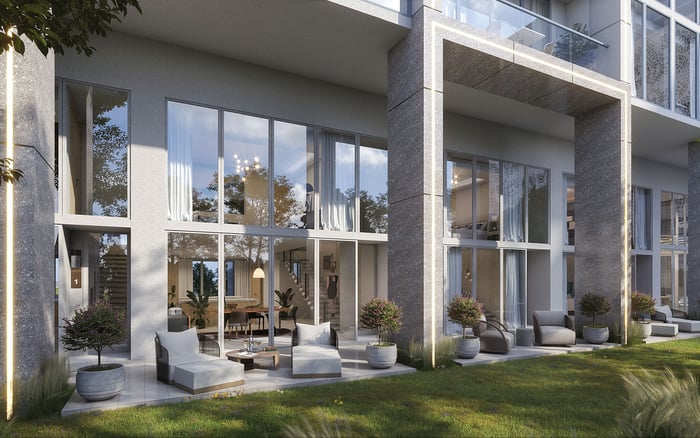
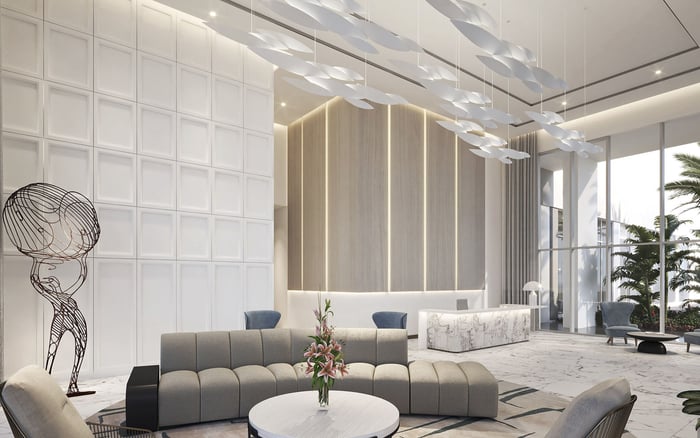
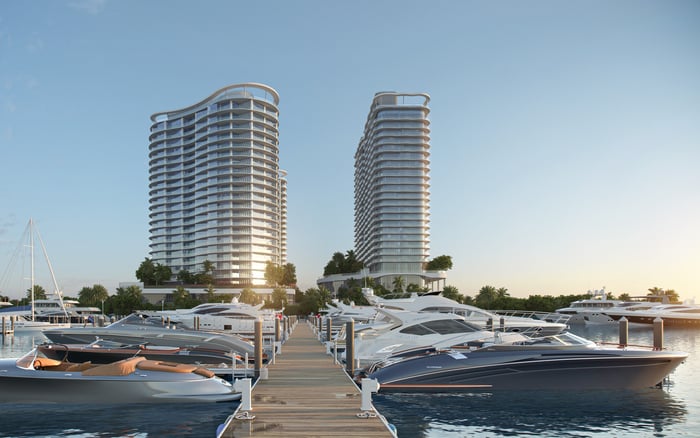
A buyer-oriented look at private arrival as a defining luxury-residential experience at The Ritz-Carlton Residences® Fort Lauderdale, and why discretion, choreography, and service now matter as much as views.
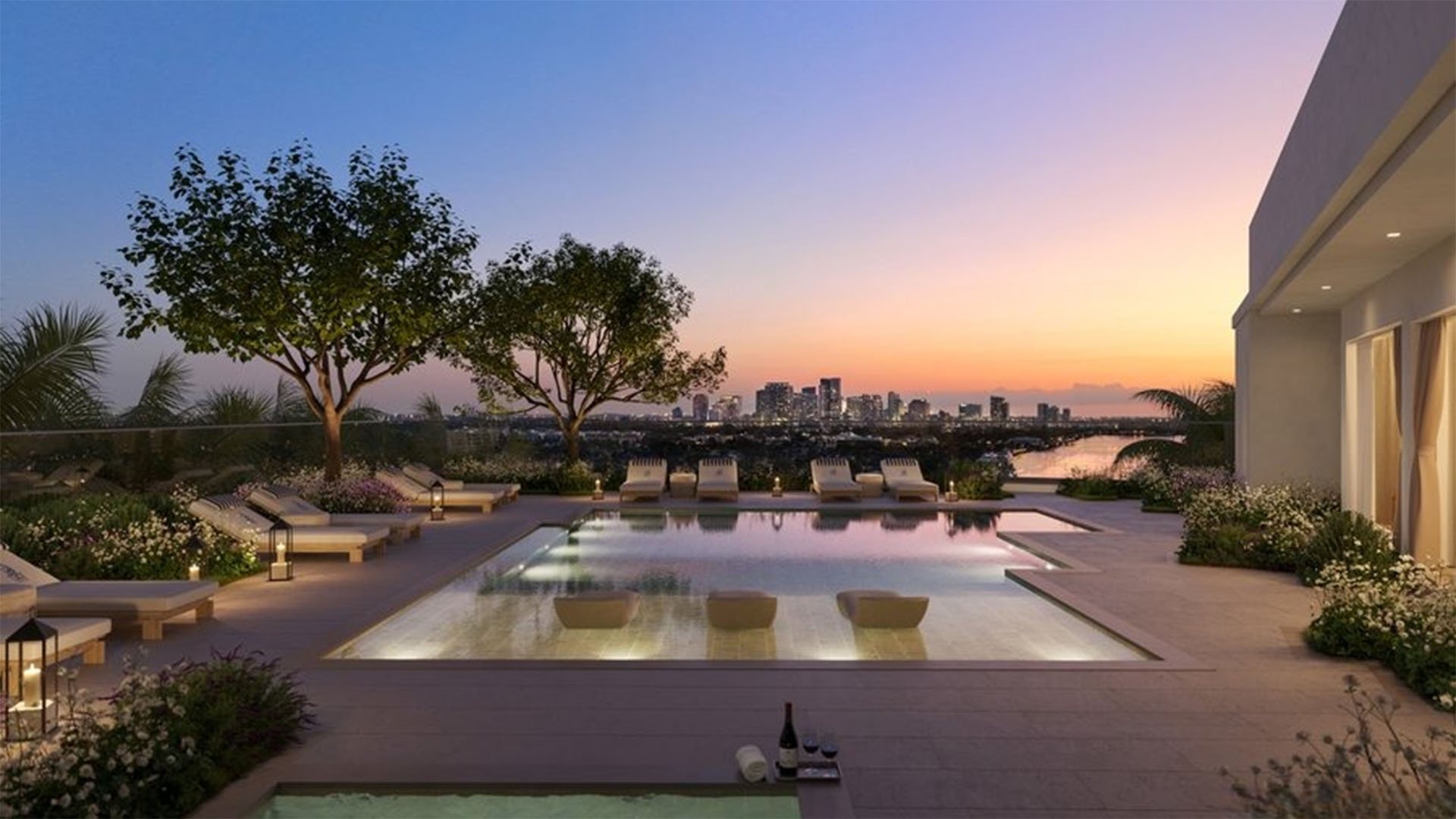
Luxury real estate is often described through what can be measured: square footage, ceiling height, view corridors, parking, terrace depth, and finish level. Yet the first emotional read of a private residence is usually formed earlier, in the passage from public city to private sanctuary. For buyers considering The Ritz-Carlton Residences® Fort Lauderdale, that transition is not a decorative preface. It is part of the residential experience itself.
Private arrival matters because it controls the first five minutes of coming home. It influences whether a resident feels exposed or protected, hurried or composed, processed or personally recognized. In a market where premium buyers are comparing branded, waterfront, and boutique offerings across South Florida, the arrival sequence has become one of the clearest signals of true residential refinement.
This is especially relevant in Fort Lauderdale, where luxury buyers often live between several modes of movement: car, beach, marina, dining district, airport, and private club. A well-considered arrival is not simply a grand entrance. It is a quiet piece of choreography that lets the day slow down.
The language of privacy in high-end condominiums is often discussed at the residence level: private elevators, separated primary suites, deep terraces, and acoustic control. But privacy begins before the elevator call. The curb approach, the sightline from the street, the handoff from vehicle to lobby, and the moment a guest is received all shape whether the building feels genuinely residential.
For the ultra-premium buyer, this is not about secrecy. It is about discretion. A private arrival sequence reduces friction in everyday life: returning from dinner, welcoming family, receiving a driver, bringing in luggage, or moving between home and boat. It also separates the resident experience from the bustle that surrounds desirable coastal neighborhoods.
That distinction is one reason branded residences have become so compelling in South Florida. Their best examples translate hospitality intelligence into the rhythm of home. The resident is not entering a hotel lobby. The resident is entering a residential environment that borrows the best parts of service culture: attentiveness, anticipation, and calm.
Fort Lauderdale has its own luxury grammar. It is less performative than some larger coastal markets, yet increasingly sophisticated in its expectations. Broward buyers often place a premium on water access, ease of movement, and a lifestyle that feels polished without becoming overexposed. As a market shorthand, Fort Lauderdale may suggest one destination, but the lived experience is more nuanced: residential privacy, nautical culture, beach proximity, and a growing appetite for elevated design.
Within that setting, private arrival becomes a form of urban and coastal editing. It filters the energy of the city before it reaches the home. A resident may spend the morning near the water, the afternoon in meetings, and the evening entertaining. The building’s entrance sequence must absorb those shifts without making them feel theatrical.
The competitive set reinforces the point. Four Seasons Hotel & Private Residences Fort Lauderdale places hospitality at the center of the residential conversation, while St. Regis® Residences Bahia Mar Fort Lauderdale speaks to buyers who value brand, waterfront context, and a sense of occasion. Against that backdrop, the appeal of The Ritz-Carlton Residences® Fort Lauderdale is best understood through the feeling of being received, not merely admitted.
A memorable arrival does not need to be loud. In fact, the most convincing luxury arrivals tend to be controlled rather than spectacular. They are legible, gracious, and efficient. They give residents an intuitive understanding of where to go, who will greet them, how guests will be handled, and how the building protects the boundary between public and private life.
That is where design and service meet. Architecture can create enclosure, proportion, and sequence. Staffing can create recognition, timing, and ease. When those elements align, the arrival feels almost invisible. The resident does not need to think about the process because the process has already been considered.
For buyers, this is worth studying during a visit. Does the approach feel exposed? Is the entry sequence dignified without being cumbersome? Is the lobby experienced as a social stage or as a calm threshold? Can guests be welcomed without disturbing the daily flow of residents? These questions often reveal more than a quick tour of amenity spaces.
Private arrival affects perceived value because it touches every day of ownership. A pool may be used seasonally, and a gym may fit certain routines, but the act of coming home is constant. For many affluent residents, the highest form of luxury is repeatable ease. The more often a feature improves daily life, the more meaningful it becomes.
This is why arrival design should be considered alongside views, floor plan, and finish package. A residence with a beautiful balcony and terrace can still feel compromised if the path home feels public or chaotic. Conversely, a composed entry sequence can elevate the entire building experience because it frames the residence before the door opens.
In Fort Lauderdale, this is increasingly relevant as buyers compare beachfront addresses with riverfront and urban-edge alternatives. Riva Residenze Fort Lauderdale offers a different residential mood, while Sixth & Rio Fort Lauderdale speaks to a more city-connected lifestyle. Each context changes the meaning of arrival. The core question remains the same: does the building make daily life feel composed?
The most useful evaluation begins before entering the model residence. Notice the drive or walk toward the property. Consider whether the arrival feels intuitive. Watch how the building handles pauses, greetings, doors, luggage, waiting, and movement. Look for points where privacy could break down. Then consider whether those moments are resolved through design or left to chance.
A refined arrival should support multiple scenarios. It should work for the owner arriving alone, the family returning with bags, the guest arriving for dinner, the resident leaving for an early flight, and the couple coming back from the beach. It should feel comfortable in daylight and after dark. It should also maintain a sense of calm when the building is active.
Buyers should separate visual drama from operational quality. A handsome lobby is not enough if the sequence is confusing. A discreet entry is not enough if it feels underscaled. True private arrival is a balance of proportion, privacy, staffing, lighting, acoustics, and movement. It is felt more than advertised.
The Ritz-Carlton name carries an expectation of polished hospitality, but in a residential setting, the brand promise must be translated carefully. Owners are not guests passing through. They are returning to a private home. The arrival experience must therefore feel personal without becoming performative, attentive without becoming intrusive.
That balance is the essence of modern branded residential luxury. It is not the multiplication of amenities for their own sake. It is the creation of a dependable atmosphere. At this level, buyers are not only purchasing a residence with waterview potential or access to a desirable coastal lifestyle. They are buying confidence in how the building will receive them every day.
For The Ritz-Carlton Residences® Fort Lauderdale, private arrival is best read as a lens through which the larger residential proposition becomes clear. It suggests a building experience organized around calm, service, and discretion. In an era when affluent buyers can compare notable addresses across Miami, Palm Beach, and Broward, that first moment of return may be one of the most persuasive luxuries of all.
Why does private arrival matter in a luxury residence? It shapes privacy, pace, and the emotional experience of coming home before a resident reaches the elevator or front door.
Is private arrival only about valet or parking? No. It includes the full sequence from curb or vehicle handoff to reception, lobby, circulation, and the transition into the private residential areas.
How should buyers evaluate arrival during a tour? Arrive as you would in daily life and observe sightlines, waiting areas, staff interaction, lighting, sound, and ease of movement.
Does a branded residence make arrival more important? Yes. Branded residences raise expectations for service, recognition, and consistency, so the entry sequence becomes central to the ownership experience.
What is the difference between a dramatic lobby and a private arrival? A dramatic lobby is visual, while private arrival is experiential. The best examples combine beauty with control, discretion, and efficiency.
Why is this especially relevant in Fort Lauderdale? The city blends beach, boating, dining, and urban access, so residents often move through varied settings before returning home.
Can arrival design affect long-term satisfaction? Yes. Because residents experience arrival every day, a calm and efficient sequence can influence how livable a building feels over time.
Should buyers compare arrival experiences across nearby projects? Absolutely. Comparing different buildings helps clarify whether a property feels residential, hospitality-driven, urban, waterfront, or boutique.
What should second-home buyers prioritize? They should look for simplicity, discretion, and service continuity, especially if they arrive irregularly or host family and guests.
What is the best way to shortlist comparable options for touring? Start with location fit, delivery status, and daily lifestyle priorities, then compare stacks and elevations to validate views and privacy.
For a discreet conversation and a curated building-by-building shortlist, connect with MILLION.
If branded residences are on your mind — as a home or as an allocation — we would be glad to share what we are seeing, privately.
Begin a quiet conversation