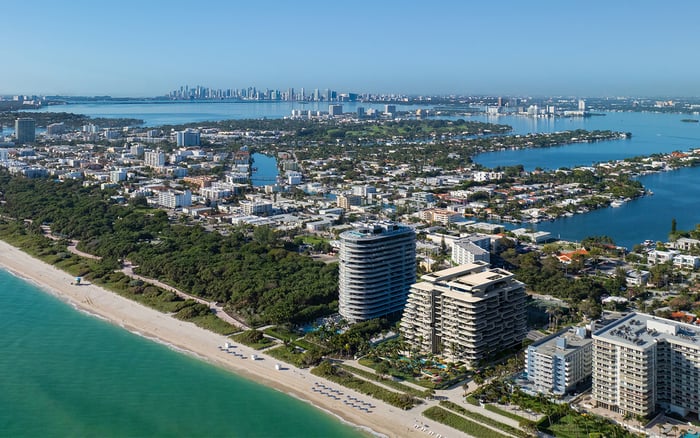
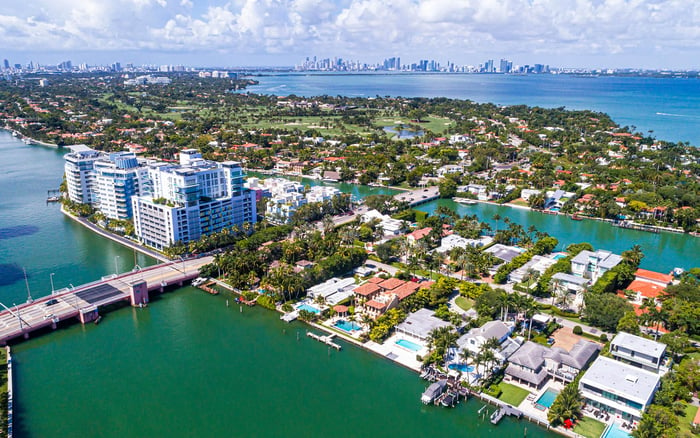
A discreet buyer’s guide for Boston families and principals considering Bal Harbour and the surrounding South Florida luxury market.
For a Boston buyer, Bal Harbour is rarely a simple change of address. It is a decision about how wealth is held, how time is spent, and how privacy is protected. The move from a historically rooted Northeast market into South Florida’s waterfront condominium culture can feel effortless from a lifestyle perspective, yet the strongest purchases are usually the most deliberately structured.
The attraction is not limited to weather. Buyers weighing Bal Harbour often want a softer daily rhythm, immediate access to the water, high-service residential buildings, and an environment that feels discreet rather than performative. The best decisions begin with a clear distinction between desire and use: whether the residence is intended as a primary home, a second home, a seasonal base, or a long-term family asset.
In this context, Bal Harbour occupies a rare category. It offers an intimate setting, proximity to the ocean, and a quieter profile than many larger urban neighborhoods. For buyers accustomed to Boston’s private clubs, legacy homes, and neighborhood nuance, that sense of scale matters.
Wealth migration into South Florida has made buyer preparation more important. Not every attractive residence is the right fit for a household moving capital, schedules, staff, art, cars, pets, or extended family between regions. The property should support a larger operating plan, not simply satisfy a floor-plan preference.
Residency planning deserves early attention. Buyers should review tax posture, estate planning, trust ownership, business interests, family office administration, and voting, healthcare, and driver documentation with qualified advisors before closing. The goal is not to rely on assumptions, but to align the real estate purchase with the household’s broader legal and financial architecture.
Insurance, association governance, reserve planning, building rules, and hurricane protocols should also be part of the first conversation, not the final one. In luxury condominiums, the service experience can be exceptional, but it is still governed by documents, budgets, staffing models, and building culture. A refined buyer studies those details with the same seriousness as views and finishes.
Bal Harbour rewards buyers who value restraint. The area is not designed for constant reinvention. Its appeal is composure, proximity, and the ability to move easily between beach, dining, shopping, and private residential life without the density of a larger downtown core.
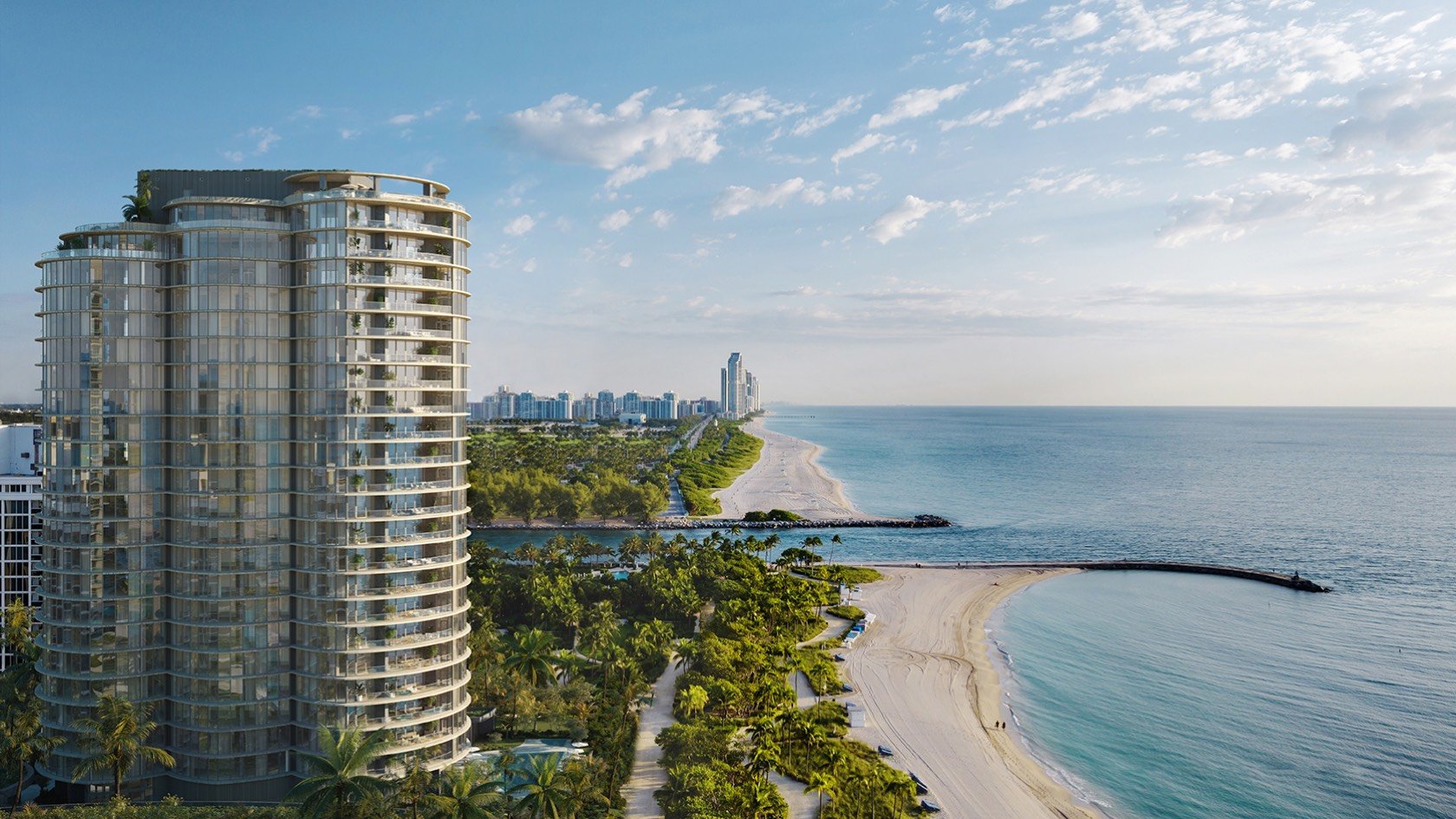
For buyers who want a direct Bal Harbour reference point, Rivage Bal Harbour belongs in the conversation as part of the area’s continuing evolution toward expansive, design-forward waterfront living. Nearby, Oceana Bal Harbour remains a familiar name for buyers who want to understand the established end of the local luxury condominium spectrum.
Still, Bal Harbour should not be evaluated in isolation. Surfside, Miami Beach, Bay Harbor Islands, and Sunny Isles each serve a different version of the same buyer profile. A household seeking maximum privacy may prioritize building scale and arrival sequence. A family expecting frequent guests may care more about guest parking, hotel access, and proximity to restaurants. A collector may study ceiling heights, wall dimensions, elevator dimensions, storage, and climate control before discussing décor.
Waterfront is one of South Florida’s most seductive words, but it needs precision. Oceanfront, bayfront, intracoastal, and canal-adjacent settings behave differently in daily life. Light, wind, privacy, outdoor usability, elevator wait times, service corridors, beach access, and valet flow can influence satisfaction as much as the view itself.
A Boston buyer may arrive with a strong preference for architectural substance and neighborhood permanence. In South Florida, that preference often translates into close attention to façade durability, terrace depth, amenity staffing, privacy from neighboring towers, and the quality of the arrival experience. A spectacular view can become less compelling if the residence does not function elegantly at breakfast, during a family visit, or after a late flight.
This is where adjacent markets help sharpen the eye. In Surfside, The Delmore Surfside offers a useful comparison point for buyers studying quieter oceanfront living just beyond Bal Harbour. In Miami Beach, Shore Club Private Collections Miami Beach speaks to a different lifestyle, one that places the buyer closer to a more social hospitality environment.
New-construction residences can be compelling for buyers who want contemporary layouts, private amenities, modern wellness programming, and a more current design language. The opportunity is control: selecting finishes, planning furniture, and entering a building at an early stage of its residential identity.
The tradeoff is uncertainty. Delivery timing, final operating budgets, association fees, move-in logistics, resale rules, and the lived quality of amenities may not be fully apparent at first presentation. Buyers should review deposit structures, contract terms, completion expectations, and cancellation rights with counsel. They should also think practically about whether they want a finished residence immediately or are comfortable participating in a longer development timeline.
Established buildings offer a different kind of clarity. Service culture can be observed, maintenance practices can be discussed, and day-to-day residential behavior is more visible. For some buyers, that certainty is worth more than the newest amenity package. For others, the appeal of being part of a new residential chapter is precisely the point.
The most successful Boston-to-Bal Harbour purchase begins with a disciplined brief. Define how many months the residence will be used, who will stay there, whether staff need support spaces, how cars will be handled, and how often guests will arrive. Clarify whether the home must accommodate remote work, formal entertaining, wellness routines, children, pets, or multigenerational stays.
Then test the building. Visit at different times of day. Study lobby privacy, elevator configuration, garage access, package handling, beach service, security posture, and guest procedures. Review condominium documents and budgets with the same care one would bring to a private business interest. A luxury residence should feel beautiful, but it must also operate beautifully.
Finally, compare micro-markets without rushing the decision. Bal Harbour may be the emotional center of the search, while Surfside, Miami Beach, or Bay Harbor Islands may refine the buyer’s priorities. The role of good representation is not to push a neighborhood narrative, but to translate lifestyle, capital, and timing into a property that can be lived in with confidence. That confidence is the measure of a successful acquisition.
Is Bal Harbour a good fit for Boston buyers seeking privacy? It can be, particularly for buyers who prefer a quieter waterfront setting and high-service residential environments.
Should I buy before finalizing residency planning? No. Coordinate tax, legal, estate, and ownership planning before signing or closing whenever possible.
Is new-construction always the better choice? Not always. New-construction may offer modern design, while established buildings can offer a clearer operating history.
How should I compare Bal Harbour with Surfside? Compare privacy, building scale, beach access, service culture, and how each location fits your daily rhythm.
What matters most in a waterfront residence? Beyond the view, study light, wind, terrace usability, privacy, service access, and building procedures.
Can a second home later become a primary residence? It may, but the residence should be evaluated from the start for year-round comfort and practical use.
How early should counsel be involved? Counsel should be involved before contract review, especially if trusts, entities, or family offices are part of the purchase.
Are condominium rules important for luxury buyers? Yes. Rules shape guest access, pets, renovations, rentals, staffing, deliveries, and daily quality of life.
Should I focus only on Bal Harbour? Start there if it matches your lifestyle, but compare nearby areas to clarify value, privacy, and service expectations.
What is the best first step? Build a written purchase brief covering lifestyle, timing, ownership structure, budget, and non-negotiable building features.
For a confidential assessment and a building-by-building shortlist, connect with MILLION.
If branded residences are on your mind — as a home or as an allocation — we would be glad to share what we are seeing, privately.
Begin a quiet conversation