A discreet buyer’s guide to the title-review questions that matter before purchasing waterfront luxury real estate in Hallandale Beach, from easements and dock rights to condo documents, seawalls, surveys, and closing protections.

Buying waterfront luxury real estate in Hallandale Beach is not only a lifestyle decision. It is a legal and practical exercise in confirming exactly what is being acquired, what is being excluded, and which obligations may remain with the property after closing. The view may be immediate; title review is where the quieter risks are often found.
For high-value buyers, the title commitment should never be treated as a routine closing document. It is the map of ownership, restrictions, recorded rights, liens, access, and exceptions. On waterfront property, that map can become more layered because land, water, association rules, seawalls, docks, easements, and maintenance obligations may intersect.
The approach is simple: before falling in love with the terrace, the dock, or the waterline, ask whether the title file confirms the full use you are expecting. In Hallandale Beach, where oceanfront condominiums, intracoastal residences, and private resort-style enclaves each carry distinct considerations, precision is the luxury.
The first question is fundamental: does the legal description match the property being marketed? A buyer should ask the title company and real estate counsel to confirm that the deed, survey, condominium declaration, and purchase contract all describe the same interest.
For a condominium, this means confirming the unit, any assigned parking, storage, cabana, marina interest, or other appurtenant rights. For a single-family waterfront home, it means reviewing the lot lines, water-adjacent boundaries, recorded plats, and survey exceptions. If a dock, boat lift, private gate, or waterfront structure is part of the perceived value, ask whether it is included in the legal ownership or merely available by license, association assignment, lease, or historic use.
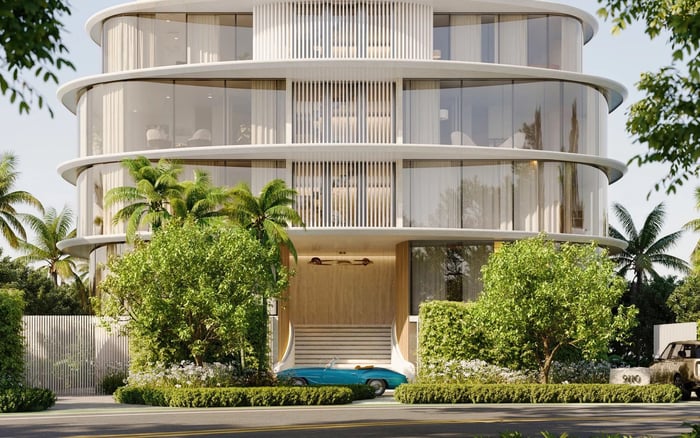
This is especially important when evaluating polished new-development environments such as 2000 Ocean Hallandale Beach or private club-style settings such as Shell Bay by Auberge Hallandale, where the ownership package may include more than the residence itself. The question is not only what looks included. It is what the recorded documents say is included.
Waterfront title review should identify every recorded easement affecting the property. Some easements are benign. Others may limit future improvements, preserve access for utilities, allow drainage, protect neighboring ingress and egress, or create obligations a buyer must honor after closing.
Ask counsel to explain each exception in plain language. Who benefits from it? Who is burdened by it? Does it affect privacy, dock access, landscaping, gates, seawall work, or the placement of future improvements? A recorded easement that seems technical can become meaningful when a buyer later wants to renovate, add lighting, modify outdoor living areas, or reconfigure waterfront access.
In Hallandale, a luxury buyer should also distinguish between private access, shared access, association-controlled access, and public or utility rights. Waterfront ownership may feel absolute from the terrace, but title documents define where exclusivity begins and ends.
For buyers who care about boating, the title file should be paired with specific questions about dockage. Is the boat slip deeded, assigned, leased, licensed, or available through an association? Can it be sold separately? Is it transferable on resale? Are there vessel size limits, waiting lists, insurance obligations, or separate fees?
If the property includes or advertises a dock, ask whether permits, improvements, electrical service, lifts, and maintenance history have been reviewed. A title policy may not insure the condition or legality of a dock unless specific coverage is requested and available. That is why title review should be coordinated with survey, permitting, association, and inspection diligence.
Marina-oriented buyers often compare Hallandale Beach with nearby waterfront markets, from Sunny Isles Beach to Fort Lauderdale and Pompano Beach. Projects such as Bentley Residences Sunny Isles, Riva Residenze Fort Lauderdale, and The Ritz-Carlton Residences® Pompano Beach illustrate how different waterfront settings can create very different questions around access, parking, marina use, and association governance. The right title review translates those differences into buyer protections.
A waterfront purchase should include careful attention to recorded restrictions and physical conditions that affect the water’s edge. Ask whether the title commitment identifies covenants, restrictions, or governmental matters that could affect seawall work, dock repairs, shoreline improvements, pool changes, outdoor kitchens, or additions.
The title review should be read together with a current survey. The survey can show encroachments, fences, structures, easements, setbacks, and the relationship between improvements and boundary lines. For luxury buyers, a survey is not a commodity item. It is a planning instrument. If the future vision includes redesigning the exterior, expanding terraces, improving dockage, or reimagining the arrival sequence, the title and survey should be evaluated before contingency periods expire.
Ask a direct question: if I buy this property, what improvements could be constrained by recorded title matters? The answer may shape the purchase price, the contract conditions, or the decision to proceed.
Condominium purchases require a broader lens. The title commitment may show recorded declarations, amendments, liens, restrictions, and association rights. The condominium documents may then define parking, rental policy, pet rules, use restrictions, repair obligations, assessment authority, insurance responsibilities, and access to common elements.
A buyer should ask whether any pending or unpaid assessments affect the unit, whether there are violations, whether parking or storage is transferable, and whether exclusive-use areas are documented clearly. If the residence includes a terrace, cabana, private elevator foyer, beach access, marina privileges, or other premium features, confirm whether those features are legally part of the unit, limited common elements, assigned rights, or revocable privileges.
This is where Hallandale and Hallandale Beach buyers benefit from disciplined document review. A residence may live like a private resort, but the association documents determine the governing framework.
Sophisticated buyers should ask not only what the title policy insures, but what it excludes. Standard exceptions may relate to matters shown by survey, rights of parties in possession, unrecorded liens, taxes, association matters, or governmental restrictions. Some exceptions may be removed or modified with proper documentation. Others may remain.
Before closing, request a written explanation of unresolved exceptions. Ask whether endorsements are available or appropriate. Ask whether any liens, mortgages, judgments, code matters, or association claims must be cleared before closing. Ask who is responsible for curative work and whether the contract provides enough time to complete it.
In the luxury segment, time pressure can be expensive. The better question is not, “Can we close?” It is, “Can we close with the ownership expectations fully protected?”
Before releasing title or inspection contingencies, a waterfront buyer should be able to answer these questions with confidence:
Who owns the land, unit, dock, parking, storage, or assigned rights being purchased? Are there easements that affect privacy, access, utilities, drainage, or future improvements? Does the survey match the title commitment and contract? Are there liens, assessments, violations, or unresolved association claims? Are docks, seawalls, lifts, or marina rights properly documented? Are any title exceptions material to the buyer’s intended use? Will the title policy insure the buyer’s expected ownership interest, and are endorsements needed?
The most elegant purchase is not the one with the fewest documents. It is the one where every document has been read in context.
Why is title review more complex for waterfront property? Waterfront property may involve access rights, easements, docks, seawalls, surveys, and association controls that require careful legal review.
Should I rely only on the title commitment? No. The title commitment should be reviewed alongside the survey, contract, association documents, inspection findings, and permit-related diligence.
What should I ask about dock rights? Ask whether the dock or slip is deeded, assigned, leased, licensed, transferable, and subject to vessel limits or separate fees.
Can a title policy confirm the condition of a seawall? Usually, condition is addressed through inspections and related diligence rather than title insurance alone.
What is a title exception? A title exception is a matter the title policy may not insure over, such as certain easements, restrictions, or survey matters.
Why does the survey matter in a luxury waterfront purchase? A survey can reveal boundaries, encroachments, easements, and the placement of improvements in relation to property lines.
Are parking and storage always included with a condo? Not necessarily. They may be deeded, assigned, licensed, or governed by the condominium documents.
When should title review begin? It should begin as soon as the title commitment, survey, and governing documents are available, ideally before contingency deadlines.
Who should explain the title documents to me? A qualified real estate attorney or title professional should explain exceptions, risks, and closing requirements in clear terms.
What is the most important title question to ask before closing? Ask whether the recorded documents fully support the way you intend to own, use, renovate, and eventually resell the property.
For a confidential assessment and a building-by-building shortlist, connect with MILLION.
If branded residences are on your mind — as a home or as an allocation — we would be glad to share what we are seeing, privately.
Begin a quiet conversation