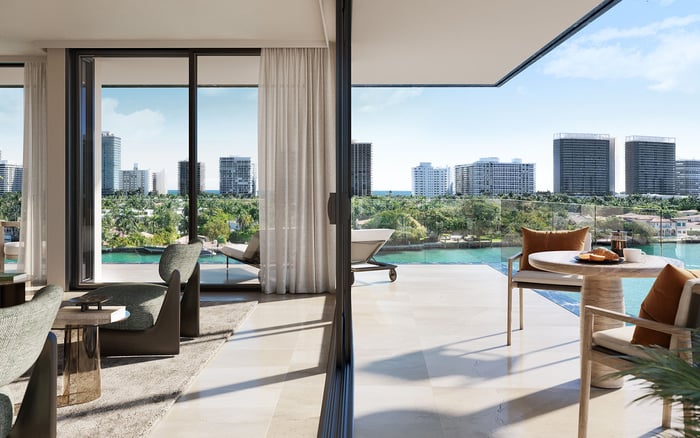
A buyer-focused guide to South Florida preconstruction condos in quieter beach-town settings, with emphasis on privacy, walkability, ocean access, and long-term lifestyle fit.
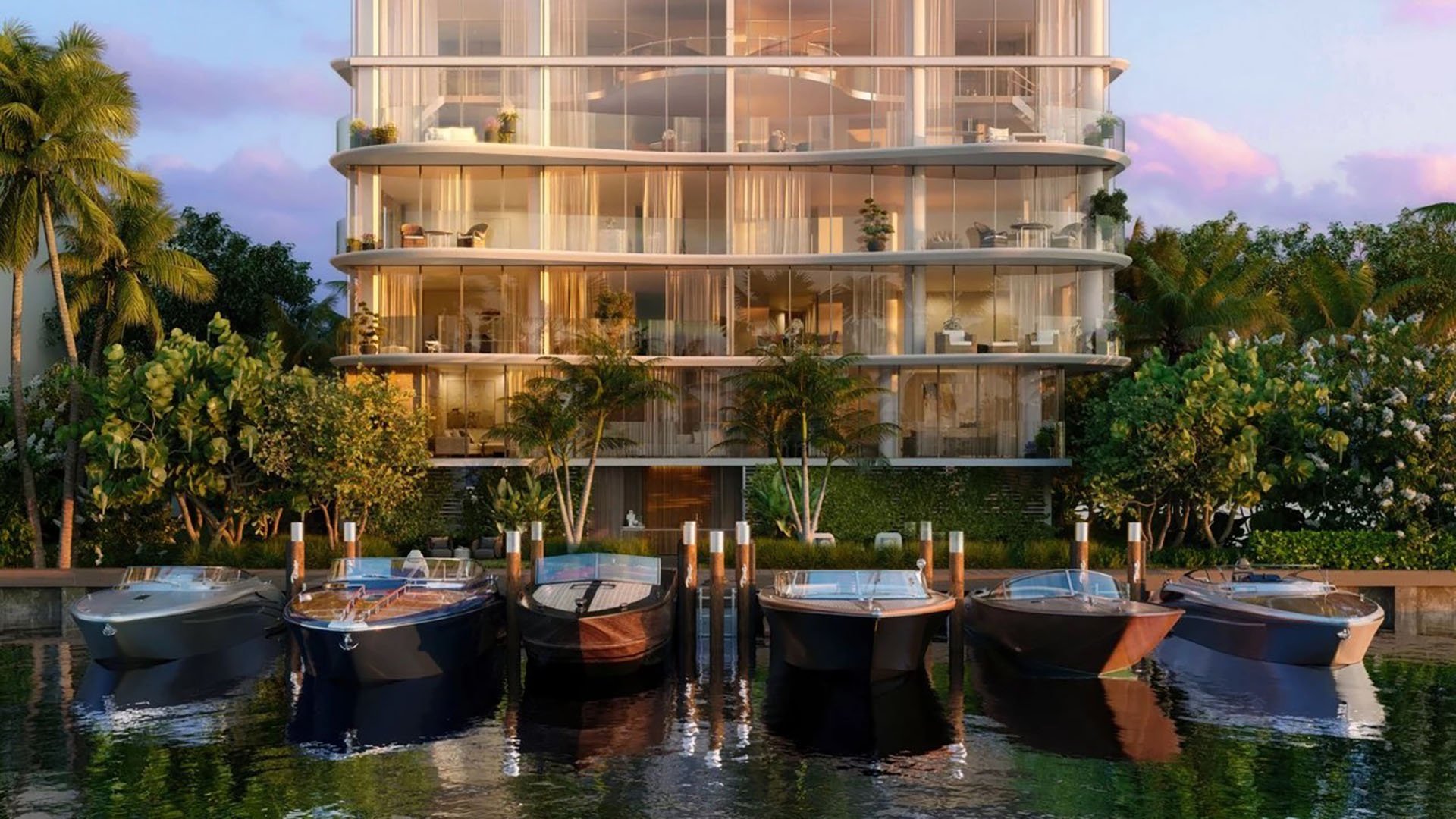
For a certain South Florida buyer, the most valuable amenity is not the loudest lobby, the largest social calendar, or the most photographed address. It is quiet. Not isolation, and not inconvenience, but a more residential rhythm: morning beach walks without spectacle, discreet arrivals, gracious outdoor space, and a building culture that feels composed even in season.
That shift has made quieter beach towns and coastal enclaves especially compelling for preconstruction buyers. A new residence can deliver contemporary design, fresh building systems, elevated wellness programming, and private amenities, while the location preserves the slower pace that drew buyers to the coast in the first place. The strongest purchase is therefore not simply a bet on a new tower. It is a decision about daily life.
In South Florida, the quieter-beach conversation often begins with places that feel smaller, more local, or more tucked away than the region’s marquee urban waterfronts. Surfside, Hillsboro Beach, Pompano Beach, Bay Harbor Islands, Hallandale Beach, and select pockets farther north can all appeal to buyers who want proximity to sand and water without the constant theater of a major resort district.
Quiet does not mean sleepy. The best quieter beach towns still need enough dining, services, schools, marinas, clubs, and airport access to support real life. For the affluent buyer, quiet usually means a refined balance: low-friction beach access, a calmer street experience, fewer crowds at the front door, and a building where amenities feel private rather than performative.
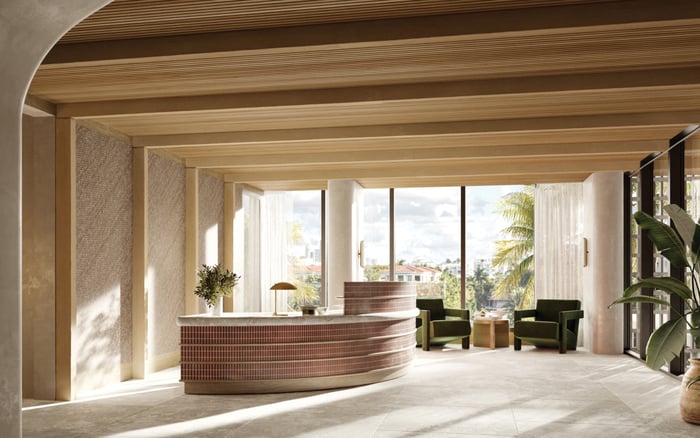
It also means understanding the difference between a quiet town and a quiet residence. A building may sit in a more relaxed municipality, yet still live like a destination hotel if the programming is too public-facing. Conversely, a well-conceived condominium can create a serene private world even near a more active beachfront. Buyers should study the arrival sequence, valet circulation, pool placement, terrace orientation, elevator privacy, and whether common spaces are designed for residents first.
Preconstruction adds another layer. Renderings can convey mood, but the buyer should interrogate the plan. How many residences share the amenity deck? Is beach access direct, nearby, or mediated by roads and public paths? Are terraces deep enough to function as outdoor rooms? Is the residence designed for seasonal use, full-time living, or both? These are not small details. They determine whether a coastal home feels peaceful after the first season of ownership.
Surfside remains one of the most natural fits for buyers who want a quieter beach-town address without feeling removed from Miami’s cultural and culinary orbit. Its appeal is rooted in contrast: close to Bal Harbour and Miami Beach, but with a more intimate residential identity. For buyers who prize that tension, The Delmore Surfside belongs in the conversation when the search is focused on a refined Surfside setting.
The key question in Surfside is not whether the town is quiet enough. It is which building best protects that quiet. Ocean proximity, approach, amenity privacy, and residence scale matter enormously. Buyers should also consider how often they will use Miami Beach, Bal Harbour, and the mainland. A home that feels serene while still allowing efficient movement can be more valuable than a remote address that turns every dinner or appointment into a production.
Surfside is particularly well suited to the buyer who wants understated prestige. The best residences here do not need to announce themselves loudly. They are chosen for proportion, discretion, and the ability to live near the ocean with a sense of permanence.
For buyers looking north of Fort Lauderdale, Hillsboro Beach and Pompano Beach can offer a different kind of coastal calm. The experience is less about being adjacent to Miami’s social gravity and more about choosing a quieter Broward lifestyle with direct beach orientation, nearby boating access, and a more relaxed cadence.
Hillsboro Beach, in particular, appeals to buyers who want a highly residential feel. A project such as Rosewood Residences Hillsboro Beach is relevant for those drawn to a branded, design-forward residence in a quieter oceanfront environment. The buyer profile is often mature, private, and lifestyle-led: people who do not want to compromise on service, but also do not want to live in the middle of a scene.
Pompano Beach is a broader and more varied choice. It can suit buyers who want new construction, beach access, and a setting with more day-to-day infrastructure than an ultra-small coastal enclave. For those studying this market, Armani Casa Residences Pompano Beach shows how design-branded residences are entering areas beyond the most familiar luxury corridors. The attraction is not only the coastline. It is the possibility of securing a new residence in a beach town still read by many buyers as calmer and less saturated.
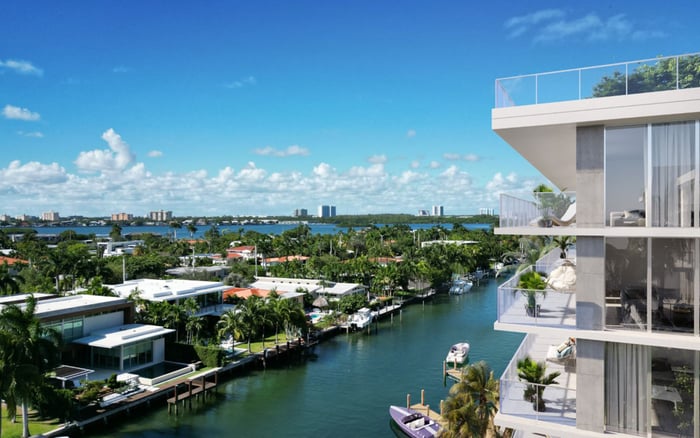
Not every quieter beach-town buyer needs to be directly on the sand. Some want water, privacy, and access, but prefer a residential island setting over an oceanfront tower. That is where Bay Harbor Islands enters the discussion. Its appeal is more sheltered, more neighborhood-oriented, and often more convenient than buyers expect.
For a buyer who values a calmer daily rhythm but still wants proximity to Bal Harbour, Surfside, and Miami Beach, Alana Bay Harbor Islands can be considered within this quieter coastal search. The same is true for Bay Harbor Towers, especially for those who want the feeling of a waterfront enclave rather than a traditional beachfront address.
The trade-off is clear. Bay Harbor may not deliver the same immediate sand-underfoot experience as an oceanfront condominium, but it can offer a more protected sense of place. For many buyers, that is not a compromise. It is the point.
The best quiet beach-town purchase begins with lifestyle before floor plan. Start with the buyer’s real pattern of use. A full-time resident may need schools, physicians, grocery access, and easy commuting. A seasonal owner may prioritize lock-and-leave simplicity, services, and effortless entertaining. A second-home buyer may want the building to feel welcoming but never overprogrammed.
Next, study the building’s relationship to its setting. A quiet town can be undermined by a loud amenity concept. Look for thoughtful separation between public and private zones, comfortable terrace dimensions, elegant parking and valet logistics, and amenity spaces scaled for actual residents. In a luxury condominium, peace is often an architectural outcome.
Finally, consider long-term identity. Some buildings are designed to be recognizable; others are designed to feel quietly inevitable. In quieter beach towns, the latter often ages better. Buyers seeking privacy usually benefit from restraint, quality, and a location that supports daily ease.
Surfside is often the best fit for the buyer who wants discreet oceanfront living close to Miami’s premier destinations. Hillsboro Beach suits the buyer who wants a more removed coastal setting with a deeply residential sensibility. Pompano Beach can work for buyers who want new energy, beach access, and a calmer Broward alternative. Bay Harbor Islands serves those who value waterfront ease, neighborhood scale, and proximity without the full exposure of an oceanfront corridor.
The right answer is not universal. A quieter beach town should feel calm at arrival, graceful at sunset, and practical on an ordinary Tuesday. That is the standard worth applying before falling in love with a view.
What makes a South Florida beach town feel quieter for condo buyers? A quieter town usually offers a more residential rhythm, less spectacle at the front door, and easier day-to-day movement. The building itself must also protect privacy.
Is oceanfront always better for a quiet luxury condo? Not always. Some buyers prefer a sheltered waterfront or island setting if it offers more privacy, easier access, and a calmer neighborhood feel.
Why consider preconstruction in quieter beach towns? Preconstruction can pair modern design and fresh amenities with a location that feels more restrained than a major resort corridor. Buyers should still study layout and building culture carefully.
Is Surfside a good choice for buyers seeking quiet? Surfside can work well for buyers who want a discreet beachfront atmosphere near Miami Beach and Bal Harbour. The specific building and residence orientation remain critical.
How does Hillsboro Beach compare with Pompano Beach? Hillsboro Beach tends to appeal to buyers seeking a more residential coastal mood. Pompano Beach may offer a broader town environment with evolving new-development energy.
Should buyers consider Bay Harbor Islands if they want the beach? Yes, if the priority is calm waterfront living with strong proximity to the beach rather than direct sand access. It can feel more protected and neighborhood-oriented.
What should buyers examine beyond the renderings? Arrival sequence, elevator privacy, amenity scale, terrace usability, parking flow, and beach access should all be reviewed. These factors shape the daily experience.
Are quieter beach towns better for full-time living? They can be, especially when services, dining, schools, and transportation remain convenient. Full-time buyers should test the weekday routine, not only the vacation mood.
Do quieter buildings have fewer amenities? Not necessarily. The distinction is usually in how amenities are designed, scaled, and reserved for residents rather than how many are offered.
What is the most important decision factor? Choose the setting that best matches your actual life. A beautiful residence only works long term if the town, access, and building culture feel natural.
For a tailored shortlist and next-step guidance, connect with MILLION.
If branded residences are on your mind — as a home or as an allocation — we would be glad to share what we are seeing, privately.
Begin a quiet conversation