A discreet buyer’s guide to choosing South Florida luxury residences for New York families, with emphasis on daily rhythm, privacy, schools, mobility, and long-term livability.
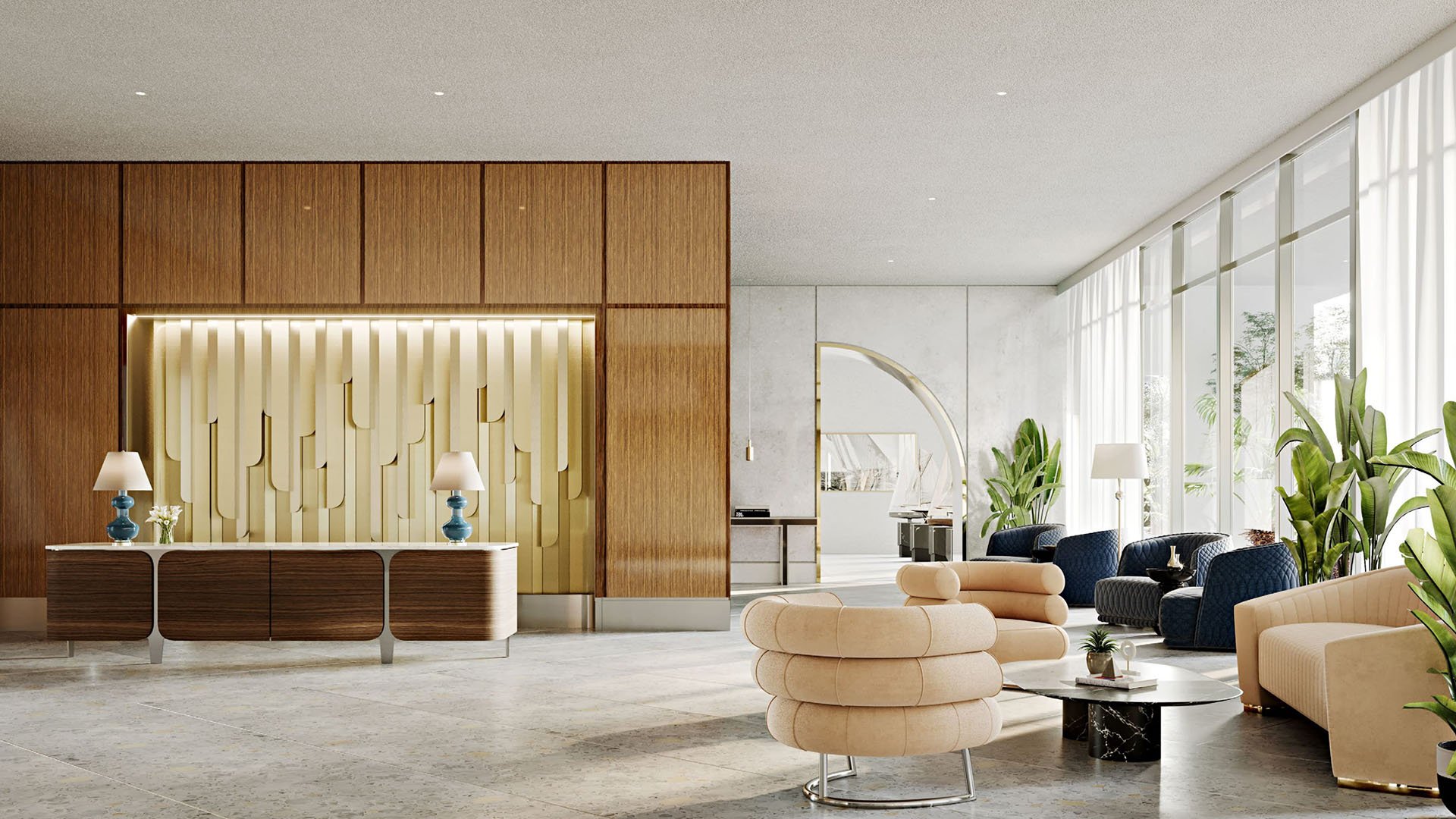
For families relocating from New York, the South Florida residence search is rarely about a single view, a recognizable address, or the most dramatic lobby. It is a lifestyle translation. The right home must absorb the cadence of a school morning, the need for privacy after travel, the expectations of a refined social calendar, and the desire for more light, air, and outdoor space than a New York apartment often allows.
That is why the best South Florida luxury residences for families are not defined by one universal formula. A family coming from the Upper East Side may prioritize classic neighborhood order and proximity to school routines. A Tribeca family may want design-forward living with walkable dining and a strong sense of privacy. A family leaving a Westchester estate may look for a larger residence, a quieter setting, and seamless indoor-outdoor entertaining.
The strongest search begins by separating glamour from livability. A cinematic waterfront arrival has value only if the elevator sequence works for children, staff, luggage, groceries, pets, and guests. A beautiful plan matters only when bedrooms are placed intelligently, storage is realistic, and daily noise is controlled. In South Florida, luxury is not simply finish level. It is how gracefully a residence supports family life over time.
Relocating families should begin with the ordinary day. Where do children do homework? Where does a parent take an early call without disturbing the house? Can visiting grandparents stay comfortably? Is there a service entrance, a mudroom-like transition, or enough concealed storage to keep the home serene?
New York buyers often arrive with a sophisticated eye for building service, privacy, and proportion. In South Florida, those standards should be applied to a different environment. Sun exposure, terrace usability, hurricane-conscious planning, garage access, and the relationship between interior rooms and outdoor space all become central to the decision. A family home here should feel lighter, but not less disciplined.
Private-school planning is often part of the conversation, yet it should not eclipse the residence itself. A convenient school commute is useful, but the family still returns home every afternoon, evening, and weekend. The best purchase balances academic logistics with the emotional quality of the setting: calm bedrooms, gracious common rooms, space for friends, and enough separation for multiple generations to coexist.
Families often compare Brickell, Coconut Grove, Coral Gables, Miami Beach, Boca Raton, Aventura, and Sunny Isles, but the more important question is which location best matches the family’s actual rhythm.
Coconut Grove and Coral Gables tend to appeal to families who want a residential atmosphere without surrendering access to Miami’s cultural and business life. The appeal is less about spectacle and more about texture: shaded streets, a sense of neighborhood identity, and a slower daily tempo than the most vertical parts of the city.
A family considering Coconut Grove may look closely at Four Seasons Residences Coconut Grove as part of a search centered on refined living in a village-like setting. The Grove conversation is often about balance: proximity to urban Miami, but with a softer residential mood.
Coral Gables offers another version of this logic. Buyers who want architectural continuity, established surroundings, and a formal sense of place may find the area especially compelling. The Village at Coral Gables belongs naturally in that discussion for families comparing a residence with neighborhood character against a more tower-driven lifestyle elsewhere.
For New York families, these areas can feel familiar in an unexpected way. They are not replicas of Manhattan or Brooklyn. Instead, they offer the everyday legibility families often miss during a relocation: recognizable streets, repeatable routines, and a home base that does not require constant recalibration.
Brickell is not only a business district in the mind of a relocating family. It can be a practical solution for parents who want a highly urban environment, short transitions between work and home, and a polished residential experience. For New Yorkers accustomed to vertical living, Brickell may feel intuitive: the neighborhood allows a family to keep an urban frame while gaining South Florida light, terraces, and resort-caliber residential services.
The key is to choose carefully. Not every urban residence is suited to children, and not every family wants the same degree of energy at the front door. Floor plan, elevator privacy, arrival experience, parking flow, and acoustic comfort become decisive. A family may be drawn to The Residences at 1428 Brickell when the search is focused on a composed city address rather than a suburban reset.
Brickell works best for families who actively want the city in their weekly life. If the goal is daily quiet, a large yard, and a school commute that avoids dense urban circulation, another neighborhood may be more suitable. But for families who value proximity, restaurants, professional life, and a skyline setting, Brickell can preserve the urban habits they enjoyed in New York while changing the climate and scale of home.
Some families relocate not to recreate New York, but to change the emotional temperature of daily life. Miami Beach can serve that ambition when the search is oriented around ocean air, design, and a more resort-like sense of arrival. A residence such as The Ritz-Carlton Residences® Miami Beach may enter the conversation for buyers who want a recognized residential environment with a coastal sensibility.
For other families, the preferred answer may be farther north. Boca Raton often attracts buyers seeking a more settled residential rhythm, particularly when the family conversation centers on space, schools, clubs, and a quieter social pattern. Alina Residences Boca Raton is one project to consider when the brief calls for Boca Raton living within a condominium format rather than a single-family estate.
The choice between Miami Beach and Boca Raton is not simply geographic. It is philosophical. One leans toward coastal energy and Miami proximity. The other may feel more measured and residential. Families should be candid about where they will actually spend weekdays, weekends, and holidays, because the most beautiful home can become frustrating if it sits outside the family’s real pattern of life.
Before making a decision, families should pressure-test the residence as if they already live there. Walk the route from car to elevator. Imagine a rainy school morning. Consider where sports equipment, uniforms, instruments, strollers, luggage, and deliveries go. Review how guests arrive, where staff can work, and whether the plan allows parents and children to occupy the home simultaneously without feeling compressed.
Bedrooms deserve particular attention. Families relocating from New York may be accustomed to making smaller spaces work elegantly, but a South Florida move is an opportunity to improve the private quarters. Secondary bedrooms should not feel like afterthoughts. A den or media room can be more valuable than another formal space if children are young or teenagers need separation.
Outdoor space should also be judged realistically. A terrace is only as useful as its depth, shade, privacy, and connection to the main living areas. For families, the ideal outdoor space is not merely photographic. It is a place for breakfast, homework breaks, evening conversation, and quiet recovery after a long travel day.
Finally, consider the building culture. Some residences feel social and animated. Others feel discreet and private. Neither is inherently better. The right answer depends on whether the family wants instant community, guarded seclusion, or something in between.
A successful relocation purchase should not be overly tailored to the first six months. Families evolve quickly. Children change schools, parents alter work patterns, relatives visit more often, and social life expands. The residence should have enough flexibility to absorb those changes without requiring another move.
That is the quiet luxury New York families should seek in South Florida: a home that feels aspirational on arrival and deeply practical after the novelty has softened. The most compelling residence is not necessarily the most visible one. It is the one that gives the family a graceful new operating system, with privacy, beauty, and daily ease held in equal measure.
What should New York families prioritize first? Start with daily routine: school mornings, work calls, storage, parking, bedrooms, and privacy. Views and finishes matter, but livability should lead.
Is Brickell suitable for families relocating from New York? Brickell can suit families who want an urban lifestyle and are comfortable with vertical living. The fit depends on floor plan, arrival sequence, and tolerance for city energy.
Why do families consider Coconut Grove? Coconut Grove may appeal to buyers seeking a softer residential atmosphere while remaining connected to Miami. It is often considered by families who value neighborhood texture.
How does Coral Gables differ from Miami Beach? Coral Gables is often considered for a more established residential feel, while Miami Beach is typically evaluated for coastal living and design-driven residences.
Should school planning dictate the purchase? School logistics matter, but they should not be the only driver. The residence must also support evenings, weekends, guests, work, and long-term family comfort.
Are condominiums practical for families? They can be, if the layout, storage, elevator access, parking, and building culture fit family life. The key is to test the residence against ordinary days.
What makes a terrace family-friendly? A useful terrace needs real depth, privacy, shade, and a natural connection to living areas. It should function as daily space, not only as a view platform.
Should relocating families rent before buying? Some families prefer to rent first to understand routines, commutes, and neighborhood fit. Others buy immediately when the residence clearly matches a long-term plan.
Is Boca Raton a strong option for New York families? Boca Raton can be compelling for families seeking a more measured residential pace. It may suit buyers who want a quieter setting than central Miami.
How should families compare different South Florida areas? Compare each area by weekday rhythm, school access, travel patterns, privacy, and social life. The best address is the one that supports how the family truly lives.
For a tailored shortlist and next-step guidance, connect with MILLION.
If branded residences are on your mind — as a home or as an allocation — we would be glad to share what we are seeing, privately.
Begin a quiet conversation