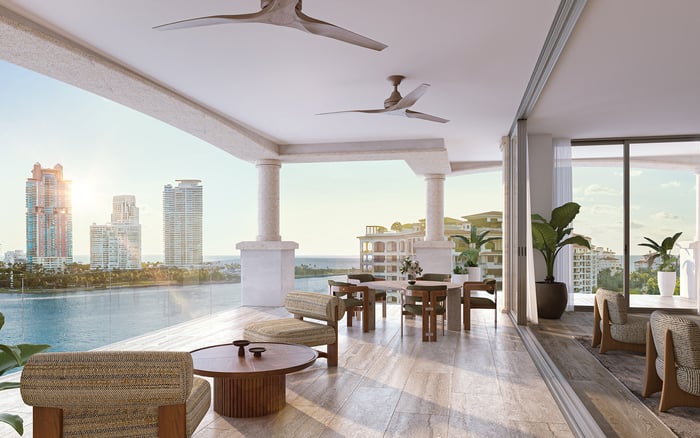
A buyer-focused guide to balancing Miami's urban energy with realistic shoreline access, comparing Brickell, Edgewater, Downtown Miami, and Miami Beach through the lens of daily routines, building selection, and long-term fit.
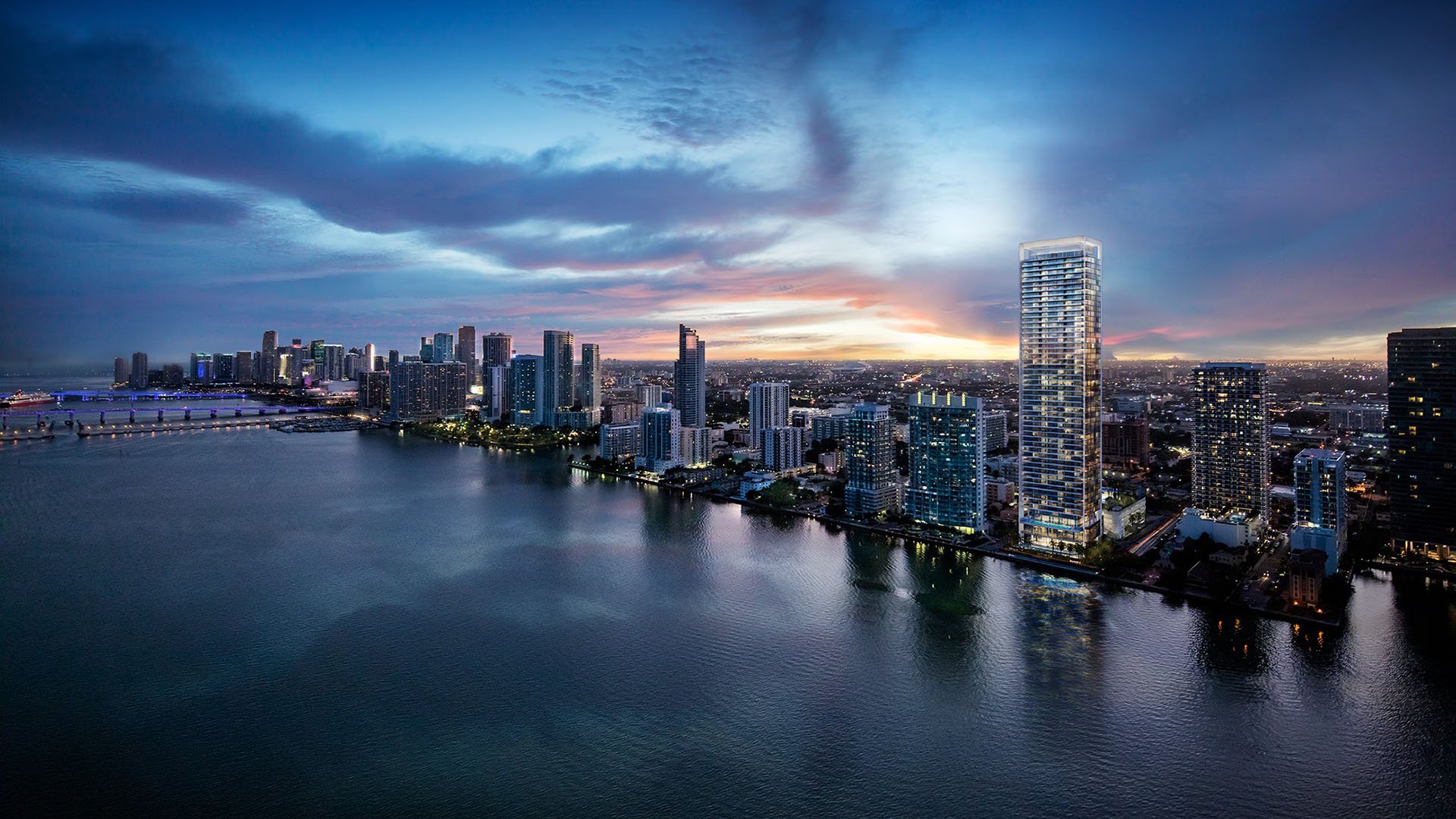
Miami buyers no longer have to frame their search as a simple choice between city life and the beach. The more useful question is how comfortably a residence supports both. A well-positioned home may place business, dining, culture, and daily services within an urban orbit while preserving a practical route to the shoreline.
That balance is personal. For one owner, beach access means stepping directly onto the sand. For another, it means reaching a preferred stretch of coast without turning every visit into an expedition. The right standard depends on how often the beach will be used, when those trips typically occur, and whether weekday convenience matters more than proximity on occasional weekends.
The best search therefore begins with behavior rather than branding. A polished lobby and compelling view may shape the first impression, but the lasting value of an address often lies in ordinary details: the morning departure, the evening return, the grocery run, the guest arrival, and the spontaneous decision to spend an hour by the water.
City convenience is not a single amenity. It is the combined effect of location, building operations, parking, the arrival experience, and access to the places an owner uses most. Before comparing residences, buyers should map a normal week. Include the office, airport route, preferred restaurants, schools if relevant, wellness appointments, cultural destinations, and the beach entrance most likely to be used.
Apply the same discipline to shoreline access. Determine whether the priority is direct access, walkability, a short drive, or simply a dependable connection to Miami Beach. Test the route at realistic times rather than relying on a map alone. A midday tour can reveal architecture and views, but it may not reflect a weekday morning or busy weekend afternoon.
This is also where lifestyle and investment considerations begin to overlap. A residence that fits an owner's routines can be easier to enjoy and hold with conviction. Yet convenience should never substitute for reviewing the contract, ownership structure, operating budget, applicable restrictions, and anticipated carrying costs with qualified advisers.
Brickell is a natural starting point for buyers who want an emphatically urban home base while keeping the coast within their broader Miami routine. The decision is less about finding one universally ideal address than selecting the building and position that best support workdays, social plans, and departures across the bay.
A tour of The Residences at 1428 Brickell can be considered within that city-first framework. Buyers should compare the proposed residence with their actual schedule, focusing on the arrival sequence, vehicle handling, privacy, outlook, and practical route to the beach areas they expect to frequent.
In Brickell, the shoreline component warrants an honest assessment. If daily access to the sand is essential, a city address may require compromise. If the goal is an urban weekday setting with planned beach time, the equation can be considerably more persuasive.
Edgewater often enters the conversation for buyers seeking a residential setting connected to the urban core without sacrificing a waterfront sensibility. Its relevance lies in its position: buyers can examine how a home might mediate between city destinations and the causeways leading toward the beach.
EDITION Edgewater is one project to consider within a broader neighborhood comparison. Rather than judging it from presentation materials alone, buyers should test the surrounding approach, likely departure routes, views from the specific residence, and relationship between private interiors and shared spaces.
Edgewater should not be mistaken for an oceanfront location. Its value proposition here is different. It may suit an owner who prioritizes urban connectivity and a waterside atmosphere, then treats beach visits as a deliberate yet accessible part of the week.
For buyers who want the beach to define everyday life, Miami Beach deserves priority on the touring schedule. Here, city convenience should be measured at a more local scale: access to dining, wellness, services, cultural activity, and mainland routes, alongside the precise relationship between the residence and the sand.
A project such as Five Park Miami Beach can be evaluated through that lens. The essential questions remain specific to the buyer. Is the preferred beach route walkable? Does the building's arrival pattern work during active periods? Will the location support both quiet mornings and a full calendar of city commitments?
Beach proximity alone does not settle the decision. Buyers should distinguish an ocean view from legal or practical beach access and verify any access representations in the governing and transaction documents. The most compelling Miami Beach residence is the one whose coastal advantages remain useful long after the novelty of the first season.
Downtown Miami may appeal to owners who place cultural and city access ahead of immediate proximity to the sand while still wanting beach days within their broader routine. The district should be tested as a primary urban base, with close attention to the destinations that matter most and the routes used to reach them.
Waldorf Astoria Residences Downtown Miami belongs in a city-focused comparison. As with every new project, buyers should separate the appeal of the overall concept from the particulars of the residence under consideration. Orientation, floor plan, privacy, parking, operating structure, and contractual terms can matter as much as the neighborhood name.
A Downtown Miami address is most convincing when the owner genuinely values its city setting. Beach access then becomes one element of a multidimensional location rather than the sole reason to buy.
Begin by scoring each candidate against three scenarios: a standard weekday, a beach-focused weekend, and an extended stay with guests. This exercise exposes trade-offs that can remain hidden during a brief sales-gallery visit. A home that performs beautifully for entertaining may be less efficient for daily departures, while a highly practical residence may not deliver the desired sense of retreat.
Next, compare the exact homes, not only the developments. Review orientation, natural light, exposure, terrace usability, elevator approach, storage, parking, and service circulation. Consider how the residence will function when fully furnished and whether the layout provides sufficient separation between private and social spaces.
Finally, verify every material point. Beach rights, completion expectations, rental rules, pet policies, parking arrangements, deposit structure, fees, and included finishes should be confirmed in controlling documents. Legal, tax, insurance, financing, and inspection professionals should be engaged as appropriate. In new construction, disciplined review is part of luxury ownership, not an obstacle to it.
What does beach access mean for a Miami city residence? It may mean direct access, a walkable route, or a manageable drive. Buyers should define their standard and verify any represented rights.
Is Brickell suitable for buyers who visit the beach frequently? It can suit buyers who prioritize city life and plan beach visits. The route should be tested at the times they are most likely to travel.
Does a water view guarantee beach access? No. A view, a waterfront position, and a legal right to reach the sand are separate considerations.
Why consider Edgewater in this search? Edgewater can be evaluated as a middle ground between urban destinations and routes toward Miami Beach, depending on an owner's routine.
Should buyers prioritize the neighborhood or the building? Both matter. The neighborhood shapes daily movement, while the building determines privacy, service, arrival, and the experience at home.
How should a buyer compare travel times? Test likely routes during realistic weekday and weekend periods. A single midday journey may not reflect normal conditions.
What should be reviewed for a pre-construction purchase? Buyers should examine contracts, deposits, specifications, fees, restrictions, completion provisions, and other controlling documents with qualified advisers.
Are higher floors always preferable? Not necessarily. Outlook and privacy should be weighed against personal comfort, arrival time, exposure, and the exact floor plan.
How important is parking in a city-to-beach search? Parking can materially affect spontaneous beach trips and daily convenience. Confirm allocation, access, guest arrangements, and operating procedures.
What is the best way to create a final shortlist? Compare exact residences against real routines, verify material details, and revisit the strongest candidates at different times.
To compare the best-fit options with clarity, connect with MILLION.
If branded residences are on your mind — as a home or as an allocation — we would be glad to share what we are seeing, privately.
Begin a quiet conversation