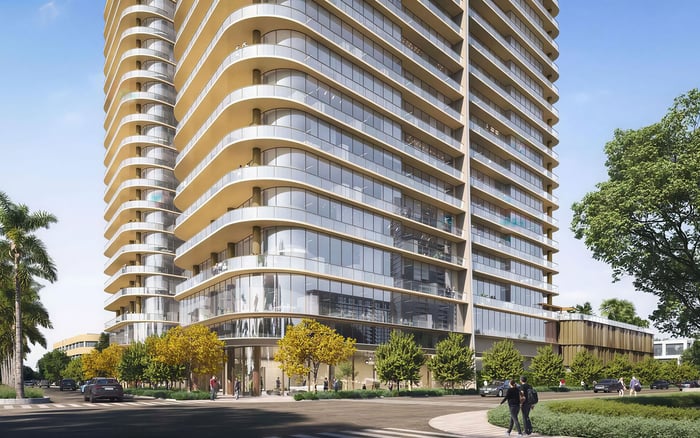
For buyers who entertain, the value of a shared amenity depends on more than its design. Reservation windows, guest access, staffing, fees, cleanup standards, and rule-change authority can shape how confidently a resident hosts. At Kempinski Residences Miami Design District, buyers should treat the governing documents and operating framework as essential diligence, while avoiding assumptions about policies that have not been confirmed in writing.
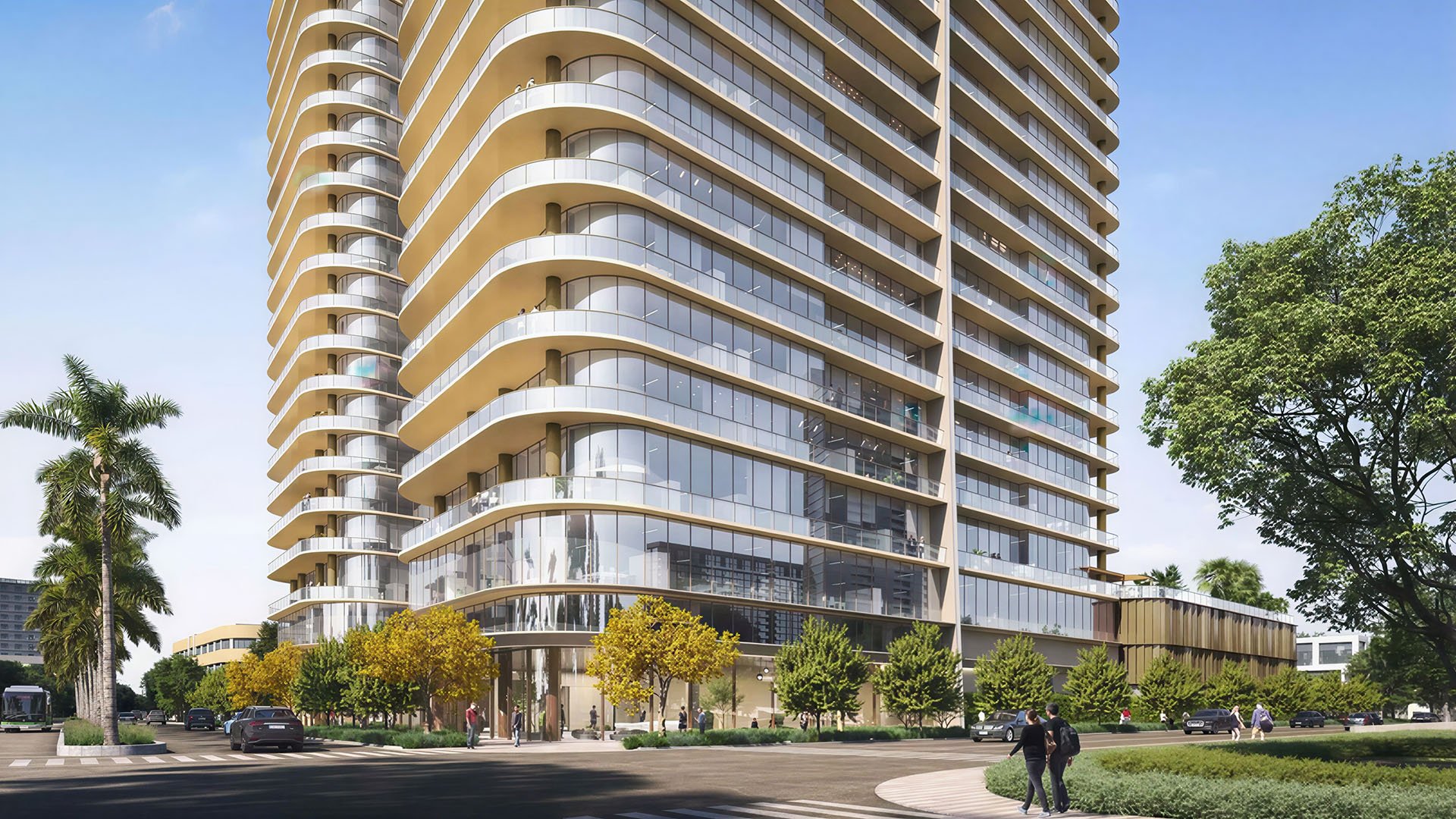
For a buyer who regularly hosts dinners, celebrations, business gatherings, or visiting family, an amenity is more than a photogenic room. Its practical value depends on whether it can be reserved, when it can be used, whom the resident may invite, and what obligations follow each event.
That distinction is especially relevant when considering Kempinski Residences Miami Design District. Without making assumptions about project-specific policies, buyers can use the residence as a lens for a broader diligence question: Will the eventual operating rules support how they actually entertain in the Design District?
The answer should come from current written materials-not a rendering, verbal summary, or expectations associated with branded residences. Rules may evolve before or after occupancy, so both the current framework and the process for future changes merit close attention.
A rigorous review begins with the condominium documents, proposed or adopted rules and regulations, amenity guidelines, reservation procedures, and any available schedules of charges. Buyers should ask their attorney to identify which provisions are binding, which remain subject to board or management discretion, and which may change.
For each reservable space, seek clarity on booking windows, frequency limits, minimum notice, cancellation terms, deposits, service charges, cleanup costs, security requirements, and responsibility for damage. If a pool deck or terrace is central to the hosting plan, determine whether private use is contemplated, whether portions remain open to other residents, and how weather affects cancellation treatment.
As with the strongest buyer's guides, the objective is not merely to collect documents. It is to translate them into a realistic evening, from guest arrival and vendor access through final inspection and deposit release.
Buyers should create two or three sample occasions and ask management or the sales team to explain how each would work under the applicable rules. A seated birthday dinner, cocktail reception, and family weekend may raise very different questions.
Begin with capacity and access. How many guests may enter? Must names be submitted in advance? Can caterers, florists, musicians, photographers, or rental companies use service entrances and elevators? Are setup and breakdown included within the reserved period? Is amplified sound restricted? What happens if an event runs late?
Then consider service. A staffed space may function very differently from a room handed over to the resident. Ask who coordinates furniture, food delivery, waste removal, security, and post-event inspection. The objective is not unlimited flexibility, but a clear understanding of the boundary between resident responsibility and building support.
Luxury buyers often compare several residences before choosing a home. Those evaluating The Residences at Mandarin Oriental, Miami, Four Seasons Residences Coconut Grove, or Shore Club Private Collections Miami Beach can apply the same questions without presuming that any two properties operate alike.
A useful comparison matrix should address reservation lead time, exclusivity, guest policy, vendor access, staffing, charges, cancellation treatment, and rule-change authority. The better choice is not automatically the property with the longest amenity menu. For an active host, it may be the residence whose documented operating culture most closely aligns with the desired lifestyle.
Amenity rules sit within a broader governance structure. Buyers should understand who initially adopts operating policies, how the board may revise them, what discretion management holds, and whether residents receive notice of changes. Counsel can also review how expenses, deposits, violations, and damage claims are addressed.
This matters because a buyer is acquiring both a private residence and participation in a shared environment. Elegant common spaces require coordination among hosts, guests, staff, and neighbors. Clear standards can protect privacy and reduce friction, provided the buyer understands them before committing.
Before contract deadlines pass, request a written response to every issue central to the purchase decision. If a particular type of event is essential, describe it precisely rather than asking whether entertaining is generally allowed. Include the expected guest count, timing, vendors, sound, food service, and preferred space.
Any response should be reconciled with the governing documents and reviewed by appropriate legal counsel. Sales conversations can orient a buyer, but lasting confidence depends on the controlling language and the authority to amend it.
Are Kempinski Residences Miami Design District amenity reservations guaranteed? Buyers should not assume guaranteed access. They should request the current written reservation framework and confirm which terms are binding.
Which entertaining rules deserve the closest review? Focus on guest limits, booking windows, event duration, vendor access, sound, staffing, cleanup, deposits, and cancellation terms.
Can a resident reserve an amenity for exclusive use? Exclusivity should be verified for each space. Ask whether other residents retain access during a private reservation.
Should buyers rely on sales presentations for operating details? Presentations can provide orientation, but material expectations should be checked against governing documents and written policies.
Why do setup and breakdown times matter? They determine whether a reservation allows vendors enough time to prepare and remove event materials without overruns.
What should buyers ask about outside vendors? Confirm approval procedures, insurance requirements, delivery routes, elevator access, working hours, parking, and security coordination.
How should cancellation policies be evaluated? Review notice periods, retained fees, deposit treatment, weather provisions, and whether management may cancel or relocate an event.
Can amenity rules change after purchase? Buyers should expect the governing documents to define amendment authority. Counsel can explain who may change the rules and what notice applies.
Do reservation fees indicate poor value? Not necessarily. The relevant question is whether total costs and service levels are transparent and compatible with the buyer's hosting pattern.
What is the best final diligence step for frequent hosts? Submit a realistic event scenario in writing, compare the response with the controlling documents, and have counsel address any inconsistencies.
If you'd like a private walkthrough and a curated shortlist, connect with MILLION.
If branded residences are on your mind — as a home or as an allocation — we would be glad to share what we are seeing, privately.
Begin a quiet conversation