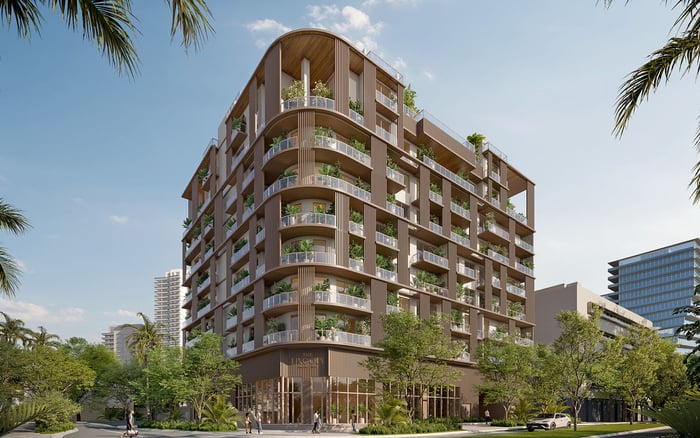
Mr. C leads Coconut Grove’s new-condo field for documented large-dog flexibility and full-service seasonal living, while Arbor and The Lincoln merit careful document review before a buyer commits.
A large dog changes the luxury-condo search in ways that finishes and views cannot resolve. A building may present itself as pet-friendly while its governing documents restrict weight, breed, number of animals, tenancy, or access to common areas. Seasonal ownership adds another layer: the right residence must function gracefully when its owner is away, without conflating hospitality-style service with property management.
In Coconut Grove, the strongest candidates are not equally well documented. Mr. C Tigertail Coconut Grove stands out as the clearest completed, full-service option for buyers prioritizing canine flexibility and lock-and-leave convenience. Arbor Coconut Grove is a compelling boutique alternative with an expressly pet-friendly position, while The Lincoln Coconut Grove combines planned pet-oriented facilities with a service model suited to part-time residents.
A pet-friendly label is only the beginning; the recorded condominium documents control.
1. Mr. C Residences: strongest documented large-dog option
Mr. C takes the first position because owners and renters at the Bayshore building may keep pets without restrictions. The Bayshore tower, at 2655 S Bayshore Drive, is identified as a 2023 building, and multiple unit records characterize it as permitting pets or dogs. At the Tigertail tower, 2678 Tigertail Avenue, a unit record likewise identifies dogs as acceptable.
There is an important caveat. One Bayshore unit record states that pets are not allowed, creating a conflict no buyer should dismiss. The current declaration, rules, amendments, and association confirmation must prevail over marketing summaries or individual listing fields. Even so, Mr. C presents the most persuasive combination of documented pet flexibility, concierge service, valet, and completed luxury amenities.
2. Arbor Coconut Grove: pet-friendly boutique scale
Arbor is planned as a 45-residence luxury development with a Q4 2025 completion target. It is expressly pet-friendly and includes electric-car charging stations. Its intimate scale may appeal to owners who prefer a residential atmosphere to a larger, resort-style environment.
The unresolved issue is decisive for very large dogs: the available project information does not specify weight, breed, or quantity limits. Arbor belongs on the shortlist, but not on the assumption that “pet-friendly” automatically means unrestricted. Buyers should verify current delivery status and the precise pet language before signing.
3. The Lincoln Coconut Grove: promising pet amenities and seasonal service
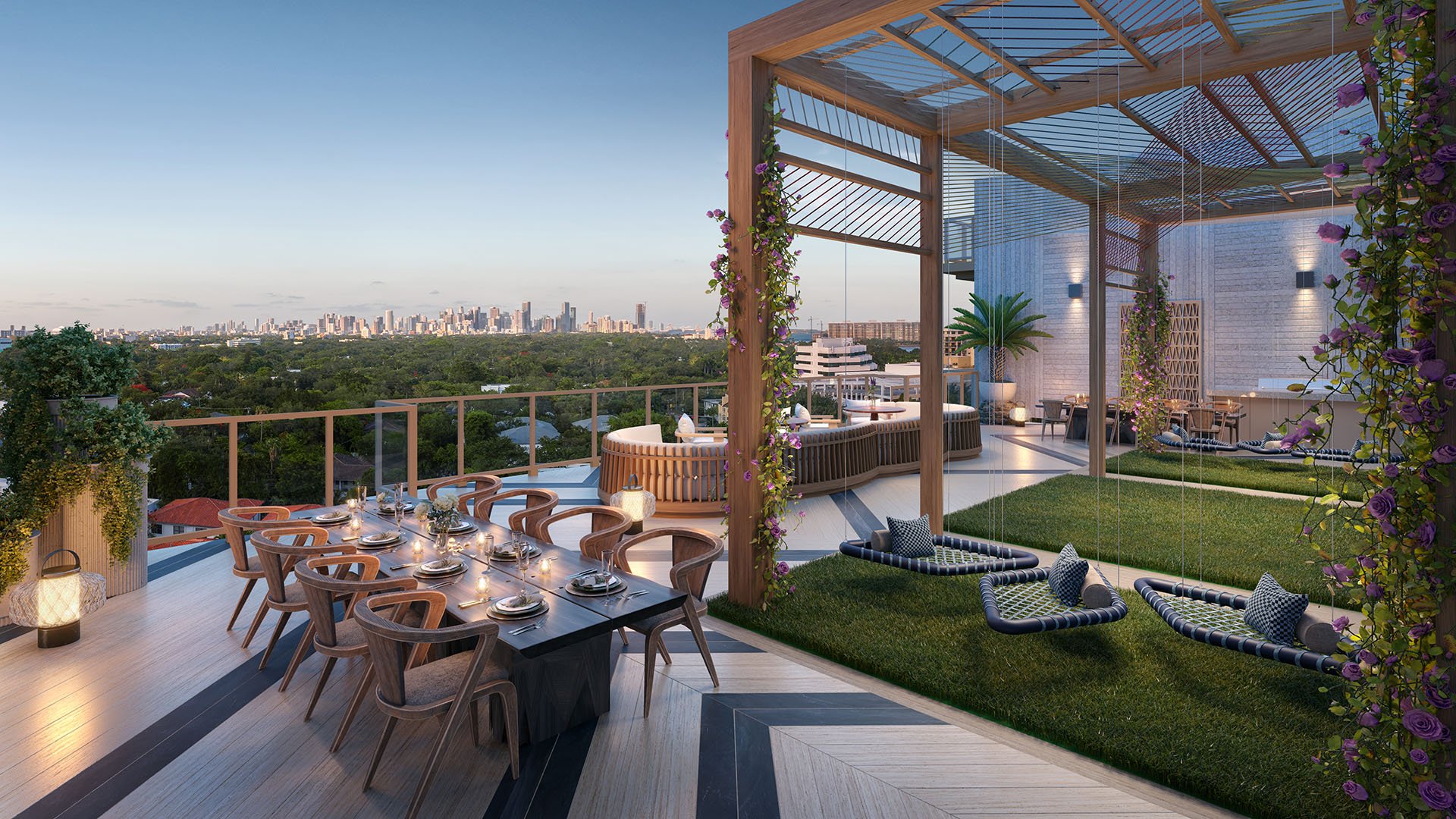
The Lincoln is a pre-construction development at 2650 Lincoln Avenue, with groundbreaking reported for summer 2025. Planned amenities include pet-friendly facilities, a rooftop pool, wellness spa, fitness center, resident lounge, and co-working space. The project has also been associated with designated pet areas and a dedicated dog park.
For seasonal households, the proposed 24/7 concierge, security, and valet services are particularly relevant, reducing day-to-day friction on arrival and departure. However, the available project information does not establish whether very large dogs or particular breeds will be approved, making the final condominium documents essential.
Mr. C distinguishes itself through the alignment of three considerations: evidence of broad pet acceptance, completed residences, and full-service operations. That combination is especially valuable to an owner arriving for winter with a large dog and expecting the home to be immediately usable.
The separate Mr. C hotel reinforces a pet-oriented brand culture by welcoming leashed, trained, and vaccinated pets in most outdoor spaces, excluding the rooftop pool deck. Its terms also allow as many as two dogs without size restrictions, subject to a per-stay fee. Those hotel terms are context only. They are not condominium rules and should never substitute for the association documents governing a residence.
Concierge and valet also have defined limits. Their presence does not necessarily include scheduled vacant-unit inspections, hurricane preparation, leak monitoring, vehicle care, package protocols, or post-storm access. A seasonal buyer should identify which services belong to the association, which are offered separately, and which require an independent caretaker.
Pets can be permitted under one set of conditions for owners and another for tenants. This distinction matters to buyers who expect to lease their residence during part of the year. Mr. C’s broad policy expressly encompasses owners and renters, but the conflicting Bayshore unit entry makes written confirmation prudent for the specific tower and residence.
Local comparisons show why precise language matters. Grove at Grand Bay, an older benchmark rather than new construction, allows dogs of all sizes and has no pet or size restrictions for owners or renters. It is also near Kennedy Park’s dog park. At the other end of the spectrum, Cloisters on the Bay has a one-pet, 40-pound limit. Elēmi Grove allows two pets per apartment but applies a 75-pound limit per pet, fees, and annual screening.
These differences can determine whether an otherwise ideal purchase is workable. They also illustrate why a buyer should not rely on a building’s general reputation, a single unit description, or a hotel policy connected to the same brand.
Before contracting, request the latest recorded declaration, current rules and regulations, amendments, application materials, and any pet-registration forms. Counsel should confirm the permitted number of animals, maximum weight, measurement method, restricted breeds, screening requirements, fees, vaccination records, and rules governing elevators or common areas.
Ask whether existing animals can be grandfathered if rules change, whether approval must be renewed annually, and whether tenants receive the same rights as owners. If the dog is close to a stated weight threshold, obtain a written interpretation rather than relying on an informal conversation. Service and assistance animals involve a separate legal framework and should not be conflated with ordinary household-pet policies.
For a seasonal home, pair that review with an operating checklist. Confirm emergency-contact procedures, caretaker access, package handling, air-conditioning requirements during vacancy, storm-shutter responsibility, insurance obligations, and post-severe-weather protocols. Security and concierge coverage enhance convenience, but they do not guarantee private home-watch services.
For a large-dog household seeking immediate, serviced Coconut Grove living, Mr. C is the best-supported first look, subject to tower-specific verification. Arbor offers a refined, lower-density possibility, but its pet limits require clarification. The Lincoln presents the most explicit planned pet amenities and an attractive service proposition for seasonal ownership, yet its final rules must answer the large-dog question.
The most elegant purchase is not merely the residence that welcomes a dog today. It is the one whose recorded rules, leasing provisions, and absentee-owner services continue to support the household’s real pattern of use.
For discreet guidance on Coconut Grove residences suited to pets and seasonal living, connect with MILLION.
If branded residences are on your mind — as a home or as an allocation — we would be glad to share what we are seeing, privately.
Begin a quiet conversationMr. C is the strongest documented choice because its Bayshore profile states that owners and renters may keep pets without pet restrictions. Buyers should still verify the current rules for their tower and residence.
A unit record at the Tigertail tower identifies dogs as permitted. The association’s current declaration and rules should confirm the controlling policy.
Most available Bayshore information indicates pets are allowed, but one unit record says otherwise. That conflict makes current association documents essential.
Arbor is described as pet-friendly, but its public project information does not specify weight, breed, or quantity limits. Large-dog acceptance therefore requires written confirmation.
Arbor is planned with 45 luxury residences, giving it a relatively boutique residential profile.
The Lincoln includes planned pet-friendly facilities and has been associated with designated pet areas and a dedicated dog park.
Its proposed 24/7 concierge, security, and valet services support a lock-and-leave lifestyle. These services do not necessarily include private home-watch or storm preparation.
Yes. Condominium rules may distinguish between owner and tenant pet privileges, so leasing plans should be reviewed alongside pet restrictions.
Review the recorded declaration, amendments, current rules, application materials, and pet-registration forms. Confirm count, weight, breed, screening, fees, and renter restrictions.
No. A hotel’s pet terms may reflect brand culture, but they do not govern a separate condominium association.