Vita, The Lincoln and Opus offer distinct boutique-scale possibilities in Coconut Grove. Compare them with THE WELL and Four Seasons through the documents that matter: budgets, reserve schedules, insurance coverage and shared-cost agreements.
In Coconut Grove, the appeal of a smaller condominium is clear: fewer residences, a more intimate building identity and a home that feels deliberately chosen rather than interchangeable. Yet boutique scale is an architectural preference, not evidence of financial resilience. Insurance coverage and reserve planning require a separate evaluation, independent of address, design pedigree or purchase price.
Vita at Grove Isle, The Lincoln and Opus are the natural boutique-scale candidates here. THE WELL offers a larger, mixed-use comparison, while Four Seasons provides a low-residence-count tower benchmark. The available project-specific information does not establish any of them as a leader in insurance or reserve transparency. The shortlist is therefore conditional: identify the right living environment, then test whether its ownership obligations are sufficiently documented.
Set on a private island off Coconut Grove, Vita at Grove Isle comprises approximately 65 residences across three seven-story buildings. That configuration makes Vita a distinctive candidate for buyers seeking a relatively small residential community without a tall tower.
Historical pricing for remaining residences ranged from approximately $8.3 million to $23 million. That range indicates market positioning, not current inventory. Likewise, an earlier late-2025 completion forecast does not establish occupancy approval or completed closings.
The buyer's document review should reflect the three-building arrangement. Ask how insurance, maintenance and reserve contributions are allocated across the buildings, and whether the budget clearly identifies shared obligations. Neither the island setting nor the purchase price answers those questions. A compelling residence becomes a stronger ownership proposition when its share of common costs can be traced through the governing documents.
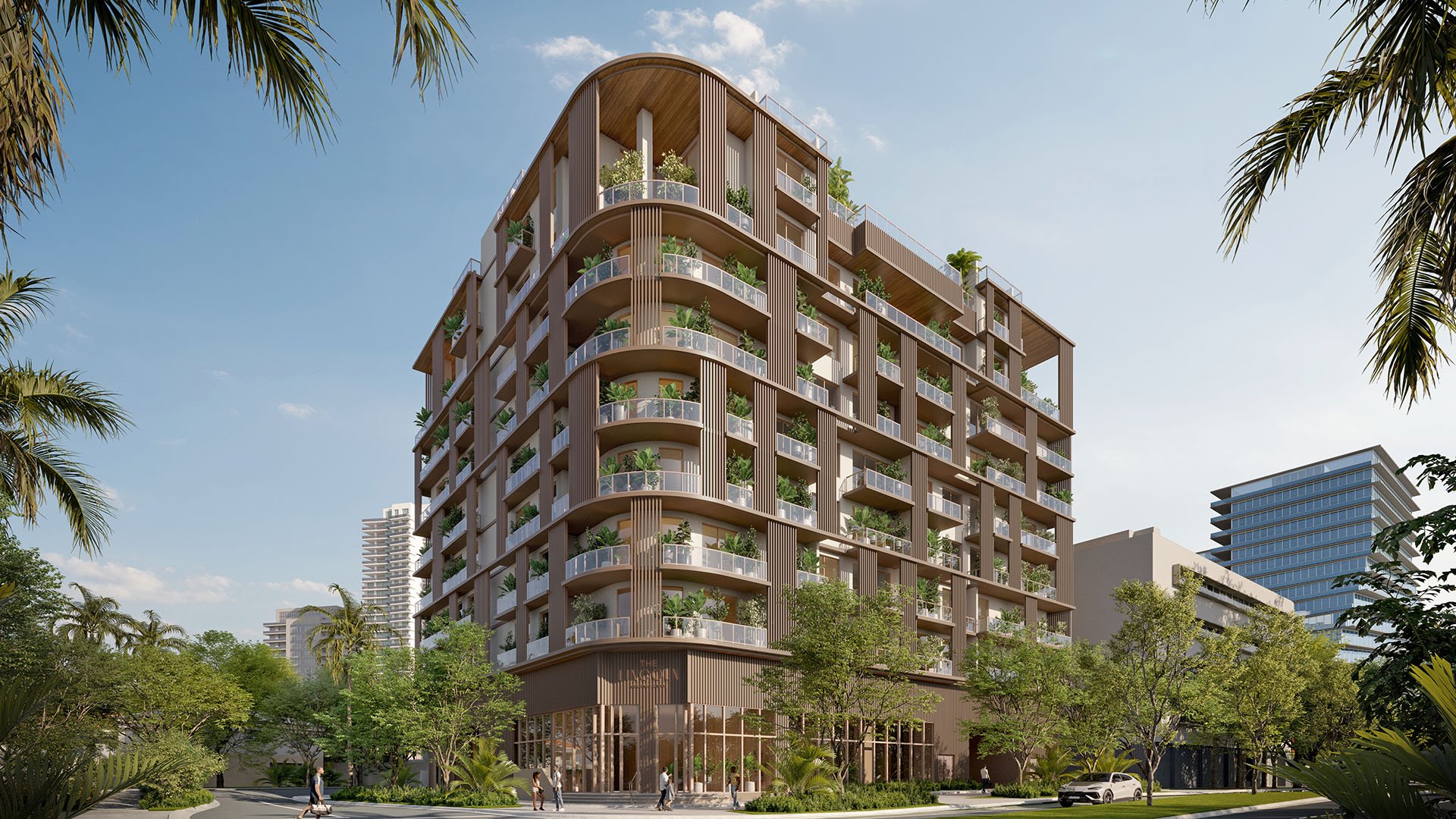
With approximately 48 residences across eight stories, The Lincoln Coconut Grove is substantially smaller by residence count than THE WELL. Its announced mix ranges from one bedroom plus den to four bedrooms plus den, with historical entry pricing around $1.5 million.
The development team includes LORE Development Group and Element Development, with Paredes Architects and Cité Arquitetura. The Lincoln merits a close look for buyers weighing both scale and entry price. A smaller association, however, does not necessarily mean a lighter financial commitment.
The useful comparison goes beyond the advertised monthly assessment. Request the proposed or adopted budget and examine its provisions for insurance, operations and reserves. Ask which figures remain estimates and when they will be updated. A clearly explained preliminary budget is more useful than a low headline number with opaque assumptions.
Meta Development's Opus Coconut Grove, designed by Kobi Karp, belongs on the boutique shortlist. Sales-launch pricing began around $2.5 million-a historical reference, not a current offer.
As of September 2025, financing included a $28.8 million loan, with presales at approximately 50 percent. At that time, groundbreaking was targeted for the fourth quarter of 2025 and completion for 2027. Those targets are not confirmed construction milestones or current delivery assurances.
For prospective owners, development financing and association funding are separate questions. A construction loan does not establish an adequate reserve balance, and presales do not reveal insurance deductibles. Request the latest budget assumptions, anticipated reserve funding schedule and insurance information available for the relevant ownership stage. Where figures remain preliminary, seek a written explanation of what is unresolved and when updated documentation is expected.
Terra's THE WELL Coconut Grove was announced as an eight-story, 194-residence condominium with starting prices around $1.5 million. Announced residences range from approximately 960 square feet for a one-bedroom home to 4,200 square feet for a four-bedroom home.
Its Tigertail Avenue plans include a large wellness club and approximately 22,000 square feet of retail. This is a larger, mixed-use alternative, not a like-for-like boutique choice. Buyers should request the agreements allocating expenses among residences, club and retail rather than infer financial efficiency from the larger residence count. The key distinction is who pays for which services, spaces and future work.
At Four Seasons Residences Coconut Grove, plans call for approximately 70 residences in a 20-story tower. Located at 2699 S Bayshore Drive and developed by CMC Group and Fort Partners, the project has historical starting pricing around $5.6 million.
The project illustrates the distinction between low unit count and low-rise living. Buyers drawn to a smaller community should decide whether that preference concerns the number of neighbors, the building's height or both. The same insurance and reserve review applies regardless of brand.
Apply one document standard across the shortlist. The aim is not to demand identical costs from different buildings, but to understand what ownership in each entails and how firmly those obligations are established.
Budget: Request the proposed or adopted association budget, its effective period and a clear distinction between estimated and established expenses. Review insurance and reserve contributions separately from the overall assessment.
Reserve planning: Obtain the reserve funding schedule and any available Structural Integrity Reserve Study, or SIRS. Ask how planned contributions relate to identified future repair needs and what balances, if any, already exist.
Insurance: Request master coverage documents and deductibles. Ask an insurance adviser to explain coverage, exclusions and potential owner exposure rather than rely on a verbal description of the building as fully insured.
Shared costs: Request applicable club, retail and shared-facility cost-allocation agreements. Check that the budget's treatment of those expenses is clear when read alongside the agreements.
SIRS is a central diligence consideration for buildings of three or more stories, addressing future repair needs for major building systems. For a particular new-construction purchase, have condominium counsel establish the applicable requirements and timing. A general statement about Florida reserve rules is no substitute for advice tied to the building and transaction.
Vita, The Lincoln and Opus merit consideration for boutique scale; THE WELL and Four Seasons help clarify the alternatives. The decisive financial distinction is not which project has the fewest residences or highest pricing, but which can substantiate its ownership costs with clear, relevant documents. Transparency supports an informed decision; it does not promise that future expenses will remain unchanged.
For a considered approach to Coconut Grove's new-construction choices, explore MILLION.
If branded residences are on your mind — as a home or as an allocation — we would be glad to share what we are seeing, privately.
Begin a quiet conversationVita at Grove Isle, The Lincoln Coconut Grove and Opus Coconut Grove are the boutique-scale candidates. They represent a shortlist for further review, not a ranking of financial transparency.
No project can be identified as the verified winner. Project-specific policies, deductibles, budgets, reserve balances and SIRS documentation would be needed for that comparison.
Vita comprises approximately 65 residences across three seven-story buildings on a private island off Coconut Grove. Buyers should ask how shared expenses and reserve contributions are allocated.
The Lincoln is approximately 48 residences across eight stories, with homes ranging from one bedroom plus den to four bedrooms plus den. Historical entry pricing began around $1.5 million.
No. The September 2025 snapshot of a $28.8 million loan and approximately 50 percent presales concerns development progress, not the adequacy of future association reserves.
Its announced 194 residences provide a larger-scale alternative. The planned wellness club and approximately 22,000 square feet of retail also make shared-cost agreements especially relevant to the comparison.
Four Seasons combines approximately 70 residences with a planned 20-story tower. It is a low-unit-count benchmark, but not a low-rise alternative.
Request the proposed or adopted budget, reserve funding schedule, available SIRS, master insurance coverage and deductibles. Obtain any applicable club, retail or shared-facility cost-allocation agreements as well.
A Structural Integrity Reserve Study addresses future repair needs for major building systems and is a central diligence consideration for buildings of three or more stories. Counsel should confirm the requirements and timing applicable to the specific purchase.
No. Prices, presale figures and schedules are historical snapshots; they do not establish current availability, occupancy approval, completed closings or confirmed delivery.