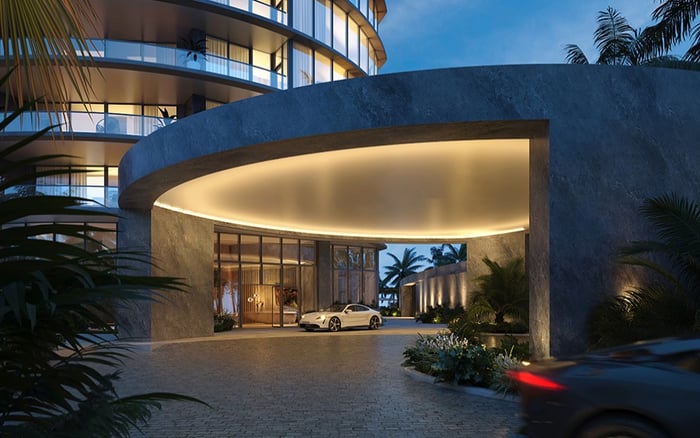
Bal Harbour buyers seeking branded hospitality face a nuanced choice: established hotel-serviced residences offer the clearest service infrastructure, while newer Rivage favors residential control. The decisive issue is not branding alone, but the written allocation of services, costs, rental rights and operator authority.
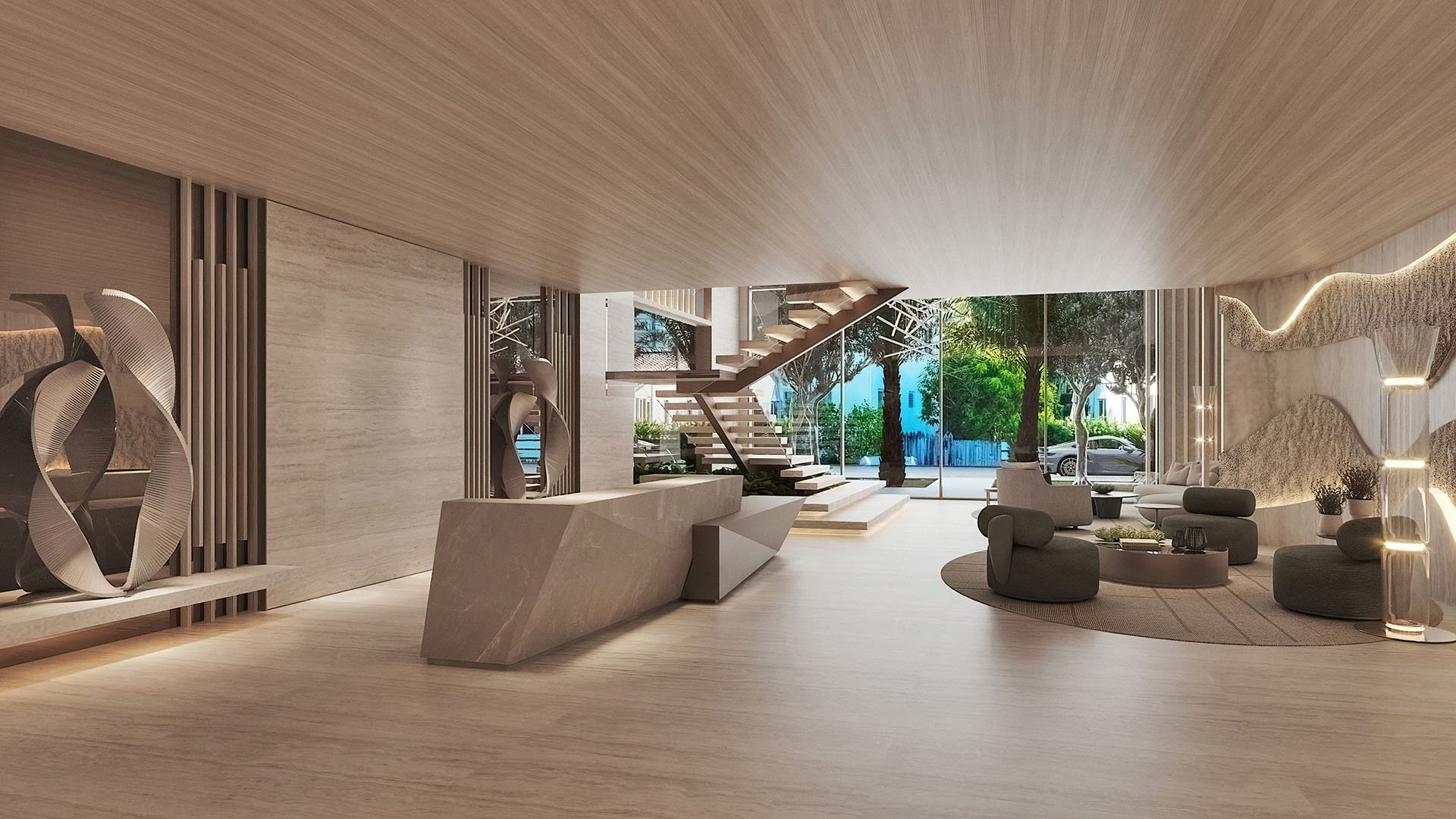
The search for new-construction residences with hotel-caliber service in Bal Harbour begins with an important distinction. The village’s strongest documented hotel-serviced condominium choices are established properties, principally The Ritz-Carlton Bal Harbour with One Bal Harbour and St. Regis Bal Harbour Resort & Residences. The clearest newer comparison, Rivage Bal Harbour, is an ultra-luxury residential development rather than a hotel-operated branded-residence offering.
That distinction shapes the buying decision. A recognizable flag may suggest a standard of arrival, housekeeping, dining or rental support, but an owner’s enforceable position rests on recorded declarations and operative agreements. Service access, expense allocation, rental participation and operator continuity should all be confirmed for the selected residence-not inferred from the building’s identity.
In branded living, the contract is as consequential as the concierge.
1. The Ritz-Carlton Bal Harbour and One Bal Harbour - integrated hospitality with rental flexibility
At 10295 Collins Avenue, on Bal Harbour’s northern oceanfront edge, The Ritz-Carlton Bal Harbour and One Bal Harbour Residences share a 26-story building. The combined property has 185 residences, while the hotel-condominium association oversees 124 individually owned units that may be rented through the Ritz-Carlton operation. One Bal Harbour is attached to the hotel, and Tower Estate owners were granted access to adjoining resort amenities and services under the property’s condo-hotel model.
Ritz-Carlton assumed management in 2014. A Florida judgment later affirmed that owners could rent directly, use a third-party provider or participate in the hotel manager’s separate, optional rental-management program. This flexibility is meaningful, but it does not remove the need to examine current agreements, operational charges and the precise service rights attached to a particular residence.
2. St. Regis Bal Harbour Resort & Residences - central location with unit-specific eligibility
St. Regis Bal Harbour is an oceanfront hotel-and-condominium complex at 9703 Collins Avenue. Certain residences may qualify for a hotel-managed rental program, although eligibility depends on the individual unit and current program terms. Buyers should therefore seek written confirmation rather than rely on building-level assumptions.
The shared-cost agreement among residential, hotel and other interests deserves close attention, as do the hotel-management agreement’s duration and provisions for changing the operator. For an owner prioritizing recognized hospitality, the property is a leading fit-provided the selected unit’s rights and obligations align with its intended use.
3. Rivage Bal Harbour - newer residential control without a hotel operator
Rivage is the strongest new-development comparison for a buyer prioritizing contemporary residential ownership over participation in a hotel structure. It is not a direct substitute for Ritz-Carlton or St. Regis service because it does not offer their hotel-operated model.
Its relevance lies in the trade-off. A buyer can weigh newer private residential positioning against the established service ecosystem and more layered agreements of a hotel-connected property. For some households, reduced hotel integration may be preferable to rental-program optionality or brand-managed services.
Transparency does not mean simplicity. In a mixed-use property, several entities may participate in maintaining the experience, collecting charges and allocating shared expenses. One Bal Harbour’s residential and hotel-condominium associations previously resolved litigation involving shared utilities and valet costs. The episode underscores why expense formulas deserve the same scrutiny as the residence itself.
Counsel should identify which entity provides each service, how costs are divided, whether allocations can change and what remedies exist if a service is reduced. The review should also distinguish rights that run with the unit from benefits offered through a separate program. A glossy description of brand service is no substitute for an agreement that clearly defines access, fees and termination rights.
Operator-change language is equally important. Buyers should understand the management agreement’s term, renewal structure and consequences if the current operator leaves. The practical question is not merely whether a luxury brand serves the building today, but which contractual framework preserves value and continuity tomorrow.
Rental strategy is particularly sensitive in a condo-hotel. At One Bal Harbour, owners have been found able to rent independently, retain third-party providers or use the hotel’s optional rental-management program. A prospective buyer should still verify the current documents, charges and operational requirements applicable to the chosen unit.
At St. Regis, the inquiry begins with eligibility. Certain residences may enter a hotel-managed program, but not every unit should be presumed eligible. Written confirmation should address participation, withdrawal, revenue treatment, owner-use limitations and included services. Even when rental income is secondary, these terms can affect flexibility and future marketability.
For an investment-minded purchaser, service branding and rental management should be analyzed separately. The brand may support a polished owner and guest experience, while the rental agreement governs economics and control. Neither should serve as shorthand for the other.
The broader Bal Harbour set helps clarify the choice. Rivage Bal Harbour represents the newer, non-hotel side of the comparison, while Oceana Bal Harbour offers another residential reference point within the village. These comparisons isolate whether the purchaser truly wants hotel integration or simply a highly serviced residential environment.
A wider coastal review can include Eighty Seven Park Surfside and The Surf Club Four Seasons Surfside. The purpose is not to treat distinct ownership structures as interchangeable, but to compare documents, operator relationships and service delivery with equal discipline across branded residences and private condominiums.
Oceanfront architecture may command first attention, but governance determines the daily ownership experience. Buyers should compare association authority, shared facilities, cost-allocation mechanisms and the boundary between residential and hotel operations before assigning value to the brand.
Begin with the declaration, bylaws and current association materials. Then review every agreement governing hotel management, shared facilities, amenities, rental participation and service access. Confirm whether benefits belong to the residence, depend on a separate contract or may be modified by another party.
Request a clear schedule of residential, hotel and shared expenses. Identify utilities, valet, staffing and amenity costs, together with the formula used to allocate them. Review operator-change provisions, agreement duration, renewal rights and termination consequences. Finally, obtain unit-specific confirmation of rental eligibility and service rights.
For buyers focused on brand service, One Bal Harbour and St. Regis remain the most direct documented choices. For those who place newer construction and residential control first, Rivage offers the more relevant counterpoint. The best selection is the one whose written framework matches the owner’s expectations for privacy, service, flexibility and long-term stewardship.
For confidential guidance on Bal Harbour opportunities and document-led comparisons, connect with MILLION.
If branded residences are on your mind — as a home or as an allocation — we would be glad to share what we are seeing, privately.
Begin a quiet conversationNo. The strongest documented hotel-serviced choices are established properties, while Rivage is the principal newer residential comparison.
The Ritz-Carlton Bal Harbour with One Bal Harbour and St. Regis Bal Harbour Resort & Residences are the primary documented options.
It shares a 26-story property with One Bal Harbour Residences at 10295 Collins Avenue on Bal Harbour's northern oceanfront edge.
A Florida judgment found that owners could rent directly, use third-party providers or join the hotel manager's separate optional program.
No. Eligibility can depend on the specific residence and the current terms of the program.
They determine how expenses among residential, hotel and other interests are allocated, including potentially significant operating services.
It should address the management term, renewal and termination framework, and what happens if the current hotel operator changes.
No. Rivage is a newer ultra-luxury residential project and a control-focused alternative to hotel-connected ownership.
Not necessarily. Buyers should confirm whether each benefit is attached to the unit or depends on a separate agreement or program.
Counsel should review declarations, bylaws, shared-cost formulas, management agreements, rental terms, service rights and operator-change provisions.