A discreet buyer’s guide to comparing Miami Beach branded residences, with emphasis on daily walkability, private arrivals, service culture, and residence-level due diligence.
In Miami Beach, walkability and discretion are not opposing ambitions. The most compelling purchase is often a residence that allows an owner to step easily into the city, then return home without feeling exposed to it. Achieving that balance requires more than proximity. It depends on arrival choreography, circulation, service culture, and the character of the immediate streetscape.
For buyers considering Branded Residences, the brand name may establish an aesthetic or hospitality expectation. It cannot replace close observation. A private showing should reveal how residents, guests, deliveries, vehicles, and staff move through the property, particularly during the hours when the surrounding neighborhood is most active.
True walkability is personal. One buyer may prioritize morning coffee and the beach; another may value dining, wellness, or the ability to host without arranging a car for every outing. The useful question is not simply what is nearby, but whether the route feels pleasant, intuitive, and appropriate at the times it will actually be used.
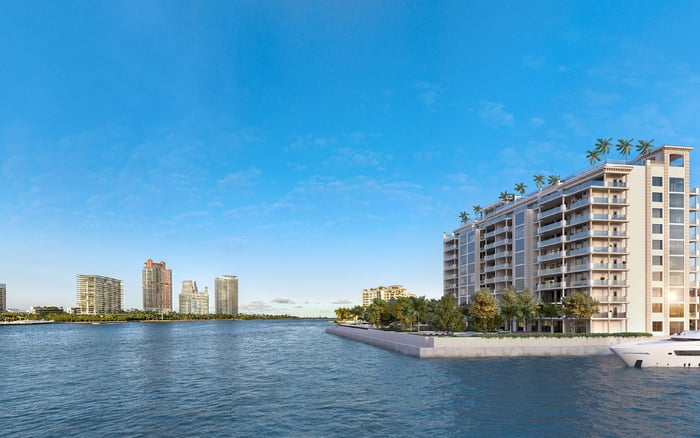
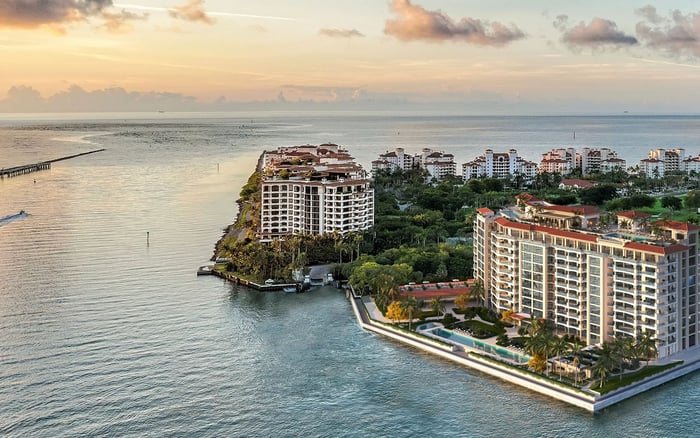
This is where Buyer's Guides should begin: with lived patterns, not a radius on a map. Visit in daylight and after dinner. Observe crossings, lighting, sidewalk activity, weather exposure, and the transition from the building entrance to the public realm. A Waterfront setting may be visually exceptional yet require a different daily rhythm from a more centrally positioned address.
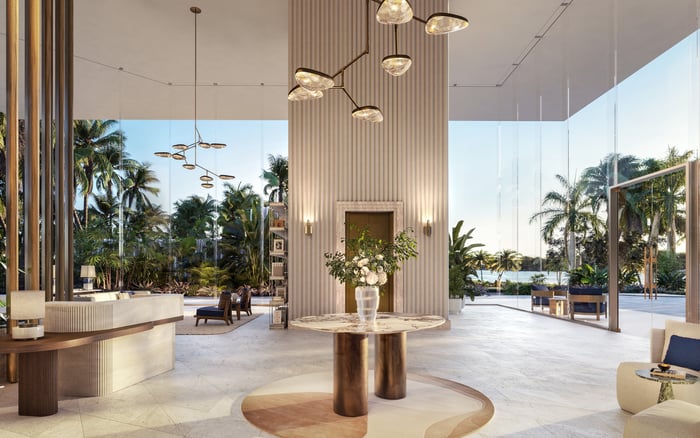
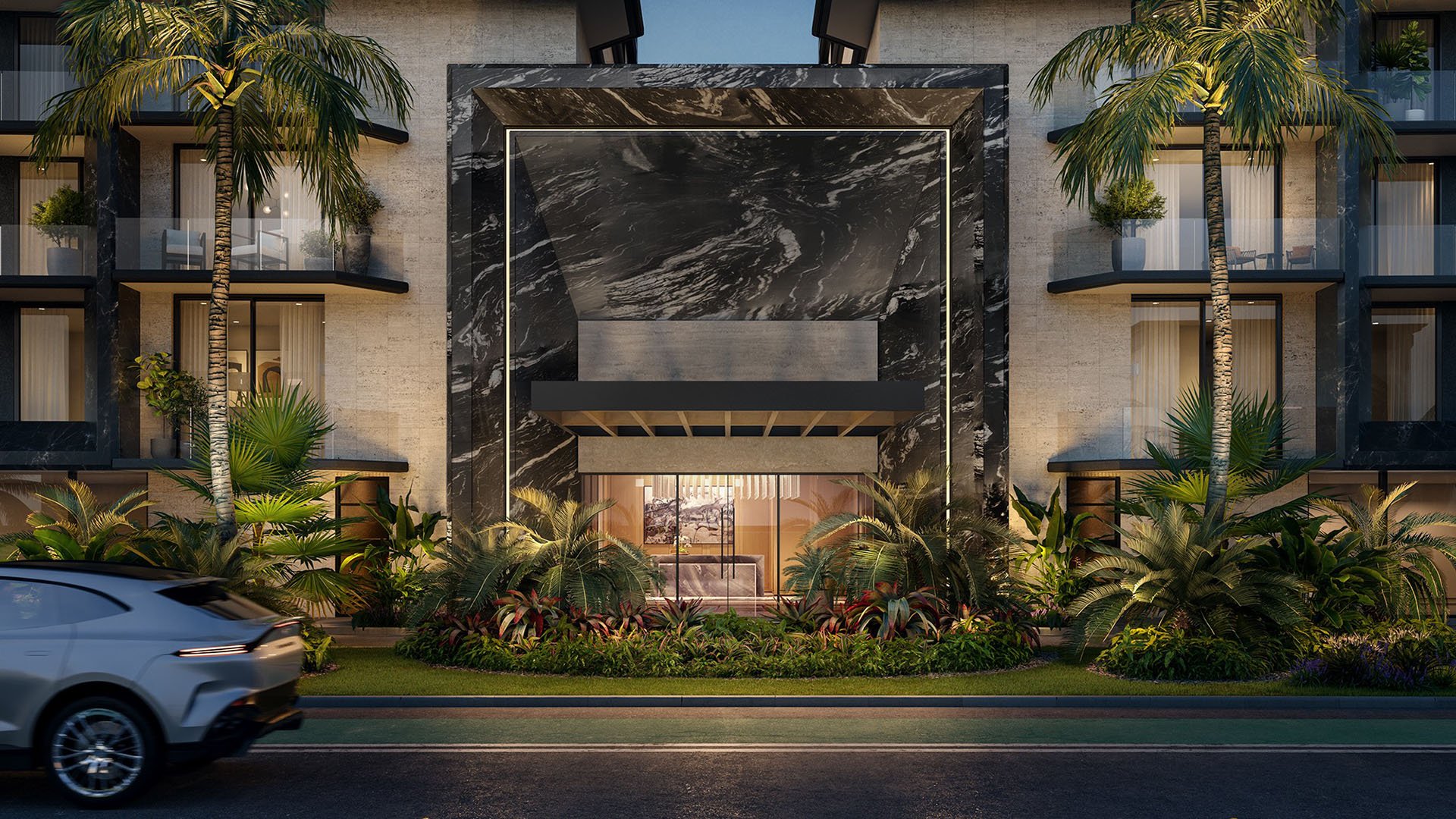
Discretion begins before the residence door. Buyers should assess whether the arrival sequence feels calm, the lobby provides visual separation, and waiting areas preserve privacy. Valet procedures, guest registration, package handling, and service access deserve equal scrutiny.
At Setai Residences Miami Beach, a prospective buyer can use the tour to determine whether the property’s brand expression aligns with a preference for composed, low-friction living. Apply the same lens at Shore Club Private Collections Miami Beach: focus not only on the finishes, but also on how the broader environment supports effortless movement between home and neighborhood.
A discreet building should also handle ordinary moments elegantly. Ask what happens when two cars arrive at once, a guest appears unannounced, or a large delivery reaches the property. Privacy is often revealed through these routine scenarios rather than ceremonial spaces.
A branded residence is most persuasive when its identity complements the owner’s habits. Some buyers prefer a visible hospitality atmosphere. Others want service to remain nearly invisible. Neither approach is inherently superior, but the distinction matters in a city where a home may serve as a primary residence, seasonal base, or setting for frequent entertaining.
A visit to Faena House Miami Beach can become a test of personal alignment: does the property’s identity feel natural to the buyer, or does it require the buyer to adapt? Likewise, The Ritz-Carlton Residences® South Beach invites a conversation about the desired relationship between residence and service.
The strongest fit should feel credible on an uneventful Tuesday, not merely impressive during a presentation. Lifestyle value comes from consistency: how a building manages privacy, recognition, requests, and transitions throughout the day.
Privacy does not require retreating from Miami Beach. It requires control over when and how an owner participates. A well-considered residence can feel connected at the sidewalk and sheltered within, with the threshold doing much of the work.
When touring The Ritz-Carlton Residences® Miami Beach, buyers can compare that threshold with those of properties closer to their preferred daily destinations. The objective is not to identify a universally superior location, but to determine which address minimizes unwanted friction while preserving access to the places the owner will genuinely use.
Boutique scale may appeal to buyers who value familiarity and quieter circulation, while a broader service environment may suit those seeking operational depth. In either case, ask how privacy is maintained without making the property feel defensive or detached.
Building preference is only the first decision. Exposure, floor position, elevator relationship, neighboring doors, terrace orientation, and sightlines can materially alter the experience from one residence to another. Buyers should stand in each principal room and consider both daytime openness and nighttime visibility.
With qualified advisers, review ownership documents, operating rules, service arrangements, fees, use restrictions, insurance considerations, and any planned work. Clarify guest procedures, pet policies, parking, deliveries, renovations, and the handling of residence access. If the home will be occupied seasonally, examine how management communicates with an absent owner and responds to routine maintenance.
A thoughtful purchase combines emotional confidence with operational clarity. Walkability should expand daily freedom; discretion should protect it.
What does walkability mean in Miami Beach luxury real estate? It means that a buyer’s preferred daily destinations are comfortably reachable along routes that feel practical at the hours they will be used.
Can a walkable residence still feel private? Yes. Privacy depends on arrival design, controlled circulation, staffing, sightlines, and the separation of public activity from residential life.
Why does the arrival sequence matter? It reveals how a property manages residents, guests, vehicles, deliveries, and periods of peak activity.
Should buyers tour at more than one time of day? Yes. Daytime and evening visits may reveal different traffic, lighting, noise, and pedestrian conditions.
Does a famous brand guarantee discreet service? No. Buyers should evaluate the actual procedures and determine whether the service culture matches their expectations.
Is Boutique scale always more private? Not necessarily. Privacy depends on circulation, management, staffing, and the relationship between shared spaces and individual residences.
What should second-home buyers prioritize? They should examine access protocols, maintenance communication, property oversight, and procedures during extended absences.
Why compare individual residences within one building? Floor position, exposure, neighbors, elevators, terraces, and sightlines can produce substantially different living experiences.
What documents deserve careful review? Buyers and their advisers should review ownership documents, rules, fees, insurance considerations, use restrictions, and planned work.
How should a buyer make the final choice? Choose the residence whose location, service style, privacy controls, and daily rhythm feel coherent rather than merely impressive.
To compare the best-fit options with clarity, connect with MILLION.
If branded residences are on your mind — as a home or as an allocation — we would be glad to share what we are seeing, privately.
Begin a quiet conversation