A disciplined framework for evaluating master-policy wind and flood protection, hurricane deductibles, reserve liquidity, and potential assessment exposure before acquiring an oceanfront residence.
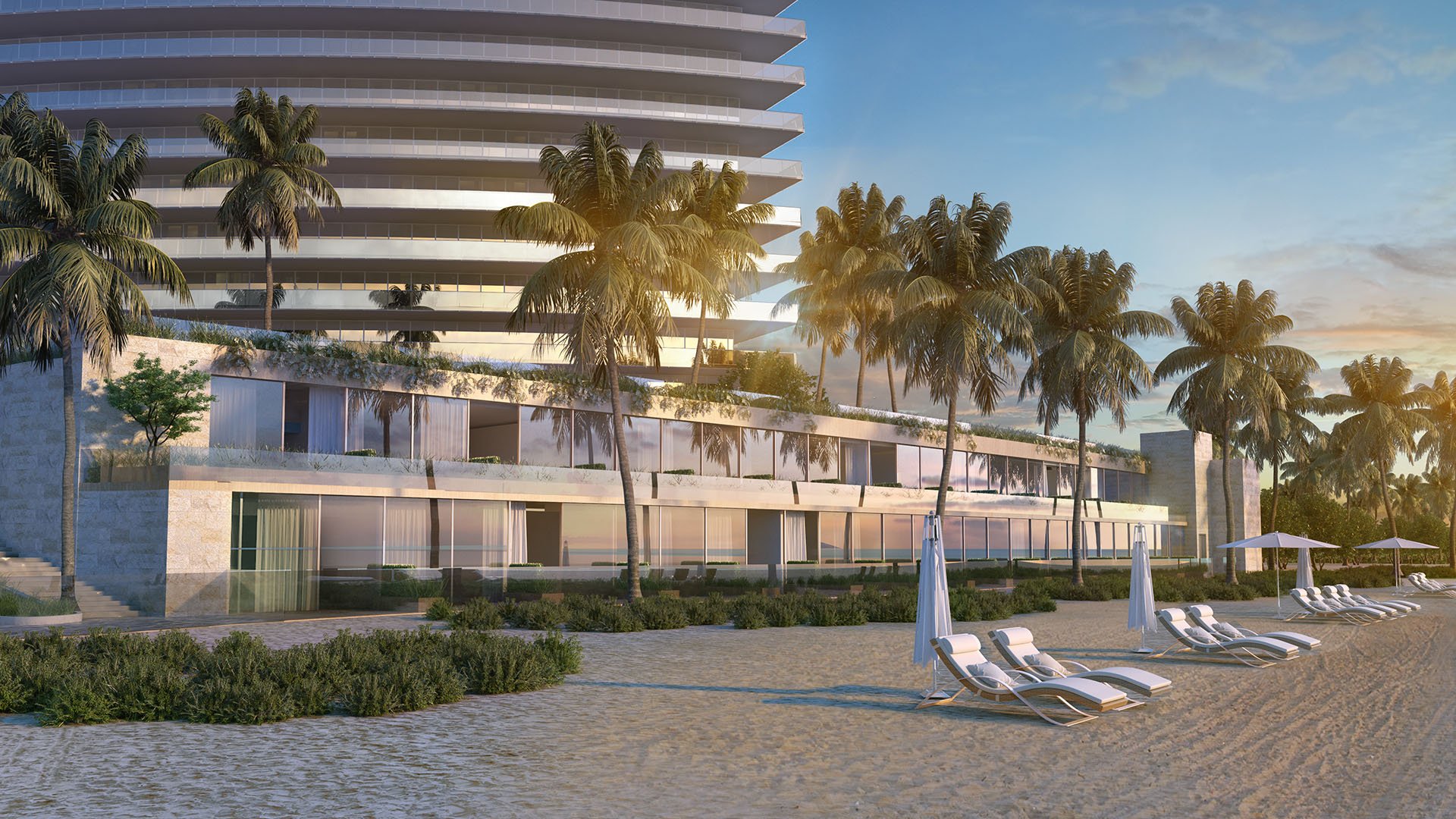
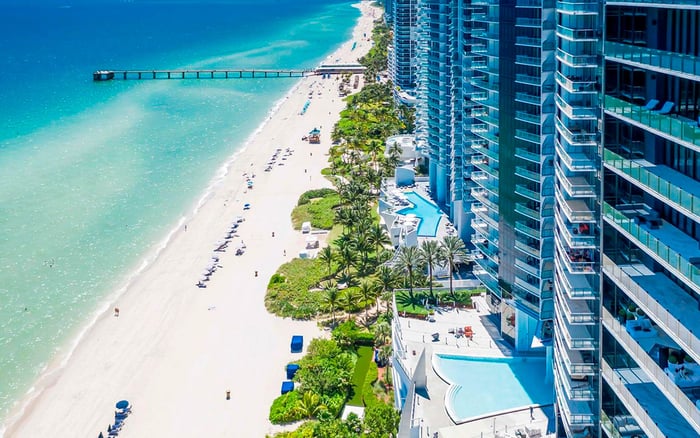
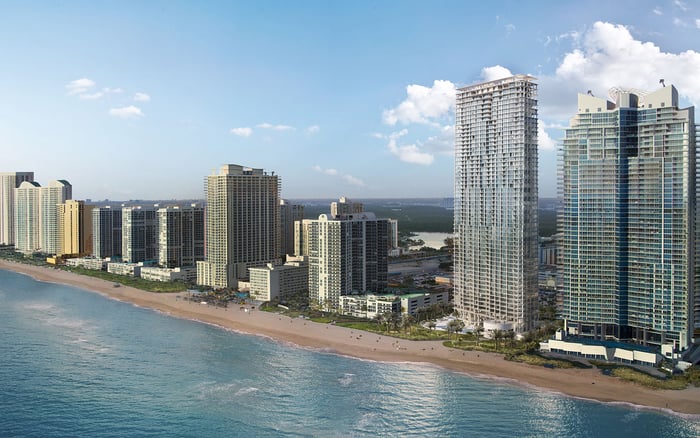
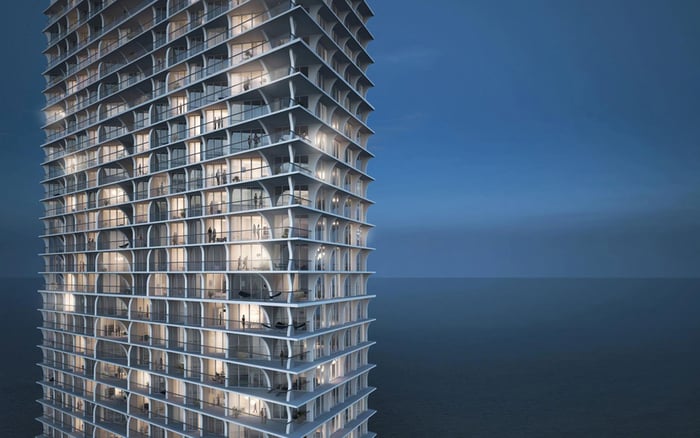
At Armani Casa Sunny Isles Beach, architecture, setting, and insurance exposure are inseparable. The branded luxury condominium occupies a barrier-island position between the Atlantic Ocean and Intracoastal Waterway, with direct ocean frontage and beach access. Its glass façade, expansive balconies, high-rise form, pools, spa facilities, and social spaces create a refined ownership experience while defining the property that must be insured, maintained, and restored after a major event.
For a buyer, the central question is not simply whether the association carries insurance. It is whether the master program, applicable deductibles, available reserves, and owner-level policies function coherently. Within MILLION's Buyer's Guides, this is a foundational principle for Oceanfront acquisitions, particularly for Branded Residences in the Resale market.
The master-policy declarations are the starting point, not the conclusion. Counsel and an experienced insurance adviser should examine covered property, total limits, sublimits, exclusions, valuation provisions, named-storm language, and the basis for calculating the hurricane deductible.
At a modern coastal high-rise, the façade, glazing, balconies, roof, and other exterior components exposed to elevated wind loads warrant particular attention. Buyers should determine which elements are association responsibilities, which belong to the unit owner, and whether the governing documents align with the policy definitions. A balcony, window assembly, interior finish, or improvement may occupy a different coverage category than a buyer expects.
The review should also address the valuation of luxury common areas. Pools, spa spaces, shoreline-adjacent elements, and social amenities may require significant restoration after a storm. Policy limits should therefore be measured against the full scope of association-controlled property, not merely the concrete structure.
Wind-driven damage, storm surge, and coastal flooding do not necessarily fall within a single coverage mechanism. The diligence file should include the association's flood policy, coverage limits, deductibles, insured locations, and treatment of lower-level equipment and common areas.
This distinction is especially important in Sunny Isles Beach, where the tower's Atlantic orientation is both a defining amenity and a reason for rigorous water-risk review. A buyer should map critical building systems and amenity areas against the policy rather than assume all direct physical damage will be handled uniformly.
A percentage-based hurricane deductible can create a meaningful association obligation even when the building carries substantial insurance limits. The buyer's team should identify the deductible basis, calculate the resulting dollar amount, and examine how the condominium documents permit that obligation to be funded or allocated.
The practical analysis is direct: establish the association's potential deductible, subtract any cash or reserves legitimately available for that purpose, and evaluate the possible unfunded balance. Counsel can then determine how an assessment might be allocated to the residence under review. This is not a forecast of loss. It is a liquidity test designed to reveal the scale and timing of potential owner exposure.
The same exercise should be applied to policy sublimits and excluded property. A deductible is only one potential source of an assessment. Uninsured repairs, coverage disputes, temporary protection, engineering work, and restoration beyond available limits may also require association capital.
A reserve balance may appear substantial yet remain unavailable for catastrophe costs because funds are assigned to specific components or required projects. Buyers should review the current budget, reserve schedules, structural-integrity reserve study, recent financial statements, assessment history, meeting minutes, and any board discussions concerning insurance or capital work.
The objective is to distinguish recurring operating cash from restricted or designated reserves-and both from funds that could lawfully and practically absorb a major deductible. Reserve adequacy also depends on competing obligations. Planned façade, roof, balcony, glazing, pool, spa, or structural work may already have a claim on association liquidity.
The unit-level policy should be reviewed only after the master program and condominium documents are understood. The owner's broker can then address interior property, improvements, personal contents, additional living expense, loss assessment protection, liability, water damage, and any gaps created by association exclusions or deductibles.
Coverage limits should reflect the residence as configured, particularly when custom finishes or owner improvements exceed a standard specification. Buyers should also confirm whether lender requirements differ from the level of risk appropriate to the acquisition.
A coastal comparison can sharpen the inquiry, provided one building's facts are not substituted for another's. Buyers considering Jade Signature Sunny Isles Beach, Muse Residences Sunny Isles Beach, or The Ritz-Carlton Residences® Sunny Isles should apply the same framework independently to each association.
Architecture, amenity scope, maintenance responsibilities, policies, reserves, and claims histories can differ. The disciplined comparison is therefore not which property appears most protected, but which presents the clearest and most internally consistent evidence of coverage and financial capacity.
Before contingency periods expire, the buyer should be able to identify what the association insures, what the wind and flood policies exclude, how large the applicable deductibles could be, and how much of a resulting obligation might reach the unit. If any answer remains conditional, the purchase analysis should preserve that uncertainty rather than convert it into an assumption.
At Armani Casa Sunny Isles Beach, design elements curated by the Giorgio Armani design studio support the property's distinctive identity. Sound diligence protects the economic experience behind that identity by uniting architecture, insurance language, association liquidity, and owner-level coverage in a coherent review.
Does the master policy eliminate the need for an owner policy? No. The owner policy should address unit-level property, improvements, liability, living expense, and appropriate loss assessment protection.
Are wind and flood losses covered by the same policy? Not necessarily. Buyers should review the association's wind and flood documents as separate but related parts of the insurance program.
Why does glazing require special attention? Large glass façades are prominent exterior components, so coverage, exclusions, valuation, and maintenance responsibility should be confirmed.
Who is responsible for balcony damage? Responsibility depends on the condominium documents and applicable policy language. Both should be reviewed together before closing.
How should a hurricane deductible be evaluated? Convert the stated deductible into a dollar amount, then test available association liquidity and the residence's potential allocation.
Can reserves automatically pay an insurance deductible? Not always. Funds may be restricted, designated, or committed to other required capital work.
What financial records matter most? Review budgets, financial statements, reserve schedules, applicable reserve studies, assessments, meeting minutes, and relevant claims information.
Do luxury amenities increase insurance exposure? They increase the amount and variety of association-controlled property that may require coverage and restoration after damage.
Should buyers compare insurance costs across nearby towers? Yes, but only alongside differences in coverage, deductibles, property scope, reserves, and allocation provisions.
Can diligence determine whether a future assessment will occur? No. It can quantify scenarios, reveal gaps, and help a buyer make a more informed risk decision.
For a tailored shortlist and next-step guidance, connect with MILLION.
If branded residences are on your mind — as a home or as an allocation — we would be glad to share what we are seeing, privately.
Begin a quiet conversation