A buyer-focused guide to evaluating Miami Beach branded residences for private dinners, cocktail gatherings, and gracious hosting, with emphasis on layouts, service protocols, privacy, and due diligence.
For buyers who host with intention, a branded residence should perform as elegantly for a dinner of twelve as it does on an ordinary morning. The decisive qualities are rarely decorative; they are spatial: a gracious arrival, intuitive circulation, separation between preparation and presentation, comfortable proportions, and a natural progression from cocktails to dinner and after-dinner conversation.
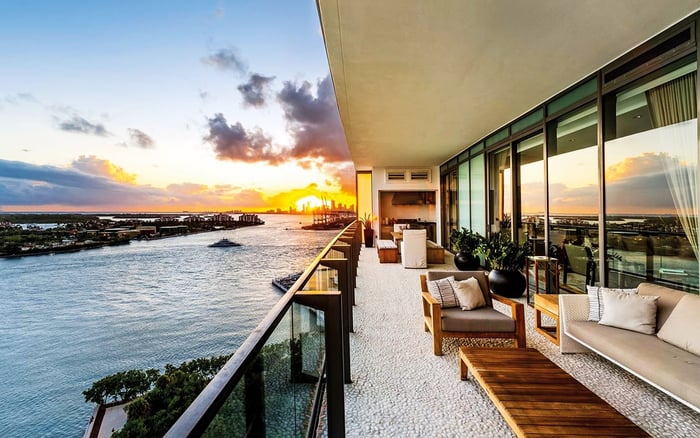
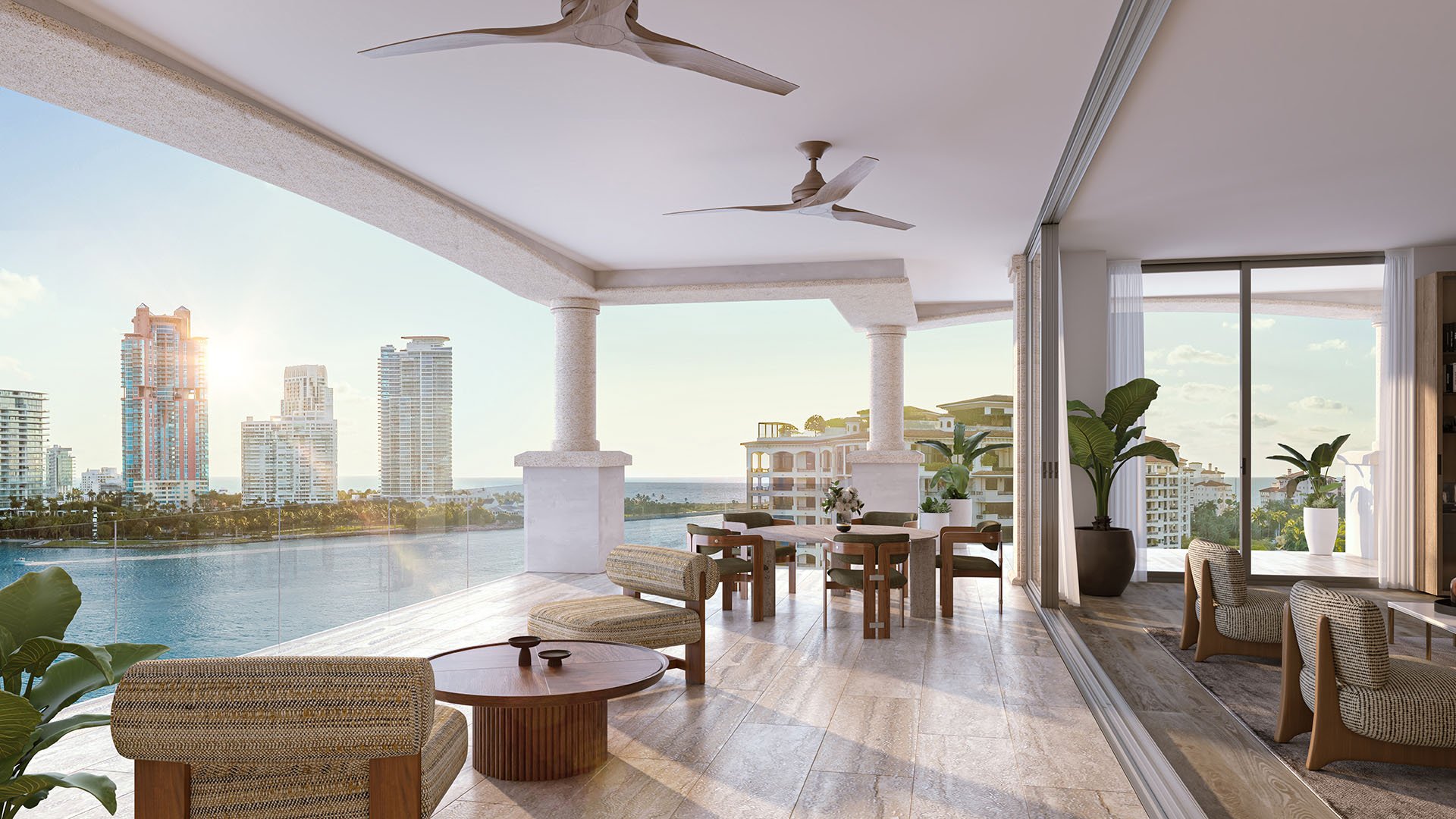
In Miami Beach, the ideal entertaining residence must also reconcile openness with control. Expansive glazing and outdoor space can create a compelling setting, but successful hosting turns on practical details: shade, wind exposure, acoustics, lighting zones, storage, and the route taken by staff or caterers. A beautiful terrace is most useful when it functions as an integral part of the home rather than an isolated scenic appendage.
Branded residences can appeal to buyers who value a recognizable design language and the potential for hospitality-informed service. Yet the brand name alone should never replace close review. Private dining may mean a reservable residents’ room, in-residence service, catering coordination, or simply a formal space available for owner-led events. These are materially different propositions.
A buyer comparing The Ritz-Carlton Residences® Miami Beach with Setai Residences Miami Beach should request the current operating documents and pose the same questions at each property. Who may reserve shared dining spaces? How far in advance? Are staffing, setup, cleaning, food, beverages, or gratuities charged separately? Can outside chefs and caterers enter, and which insurance or security procedures apply?
This disciplined comparison belongs in any serious buyer’s guide because entertaining capacity is not a single amenity. It is a chain of spaces, permissions, personnel, and logistics. One weak link can turn an apparently effortless evening into a complicated production.
The most useful shortlist is not a universal ranking, but a group of residences tested against the buyer’s own style of hospitality. Formal collectors’ dinners, multigenerational lunches, sunset cocktails, and business entertaining each impose different demands on a home.
For buyers drawn to an established hotel-residential identity, Shore Club Private Collections Miami Beach can sit alongside other branded options in a document-led comparison. Farther south, The Ritz-Carlton Residences® South Beach is another name to assess when defining the preferred relationship among residence, service, and neighborhood setting.
The objective is not to assume identical privileges across properties. It is to compare the specific residence under consideration, its governing rules, and the services available to that ownership category. Even within a single development, layout and exposure can alter how well a home accommodates a dining table, buffet setup, bar station, art, or guest circulation.
Begin at the front door and walk the route as a guest. The entry should create a distinct sense of arrival without revealing service areas or private bedrooms. Check whether coats and handbags have a discreet destination, whether a powder room is convenient without being conspicuous, and whether guests can move among living, dining, and outdoor areas without crossing the working kitchen.
Next, assess the kitchen in operational terms. An open kitchen may suit convivial cooking, while a concealed preparation zone may better serve catered dinners. Confirm appliance ventilation, counter landing space, pantry volume, refrigeration, wine storage, refuse handling, and the distance from the service elevator to the residence. Ask whether deliveries are time-restricted and whether building staff may receive items before an event.
Finally, test sound and lighting at the hour you expect to entertain. Sliding doors, hard surfaces, and high ceilings can affect conversation. Lighting should support multiple scenes without flooding the entire home. Buyers who envision a bar or music should review building rules before assuming a private residence can operate like a hospitality venue.
A residents’ dining room can extend entertaining capacity beyond the condominium-but only if access is dependable. Request capacity limits, floor plans, furniture inventories, kitchen specifications, sample charges, cancellation terms, and policies governing decorations, musicians, children, pets, and outside vendors. Determine whether the room is exclusive during a booking or remains connected to other resident spaces.
Service deserves equal scrutiny. Ask who coordinates menus, whether culinary personnel are building employees or third parties, and what happens when demand peaks. A polished lifestyle proposition depends less on a brochure image than on consistent execution, clear accountability, and privacy for owners and guests alike.
Before committing, have counsel examine condominium documents, house rules, event policies, vendor requirements, insurance provisions, and the association’s authority to revise amenity access or charges. Review the residence plan with a designer or architect, and involve an experienced event professional if large gatherings are central to the purchase.
The strongest choice will align three layers: the home’s physical capacity, the building’s operational capacity, and the owner’s preferred degree of involvement. Some buyers want staff to orchestrate every detail. Others prefer autonomy, a serious kitchen, and minimal ceremony. In Miami Beach, luxury is not merely the ability to host more people. It is the ability to host them with composure.
What defines a strong entertaining floor plan? Clear guest circulation, a gracious arrival, kitchen flexibility, convenient powder rooms, storage, and separation from private bedrooms are central.
Is a large living room enough for formal entertaining? No. Capacity also depends on circulation, seating geometry, acoustics, service access, ventilation, and the relationship between indoor and outdoor areas.
Should buyers prioritize an open or closed kitchen? It depends on hosting style. Open kitchens encourage participation, while concealed preparation space can support quieter, more formal service.
How should a buyer evaluate a private dining room? Review capacity, exclusivity, booking windows, fees, kitchen support, staffing, cancellation terms, and policies for outside vendors.
Can an outdoor area be counted as year-round dining space? Treat it cautiously. Visit at relevant times and assess wind, sun, rain exposure, lighting, sound, and access from the kitchen.
What service questions matter most? Confirm who coordinates events, what staff can provide, which charges are additional, and whether service availability is guaranteed or request-based.
Are outside chefs and caterers usually permitted? Policies vary by property. Buyers should verify approvals, insurance requirements, loading procedures, working hours, and kitchen access in writing.
Why do acoustics deserve attention? Reflective finishes and open volumes can make conversation difficult. An evening visit can reveal conditions not evident during a daytime tour.
What documents should counsel review? Counsel should examine condominium declarations, house rules, amenity policies, event restrictions, insurance requirements, and the association’s amendment rights.
How can buyers compare branded residences fairly? Use the same checklist for every property, separating confirmed residence features from reservable amenities, optional services, and privileges subject to change.
For a tailored shortlist and next-step guidance, connect with MILLION.
If branded residences are on your mind — as a home or as an allocation — we would be glad to share what we are seeing, privately.
Begin a quiet conversation