A yacht owner’s Bal Harbour residence search should begin with berth verification, route analysis, building resilience, insurance review, and a practical storm plan.
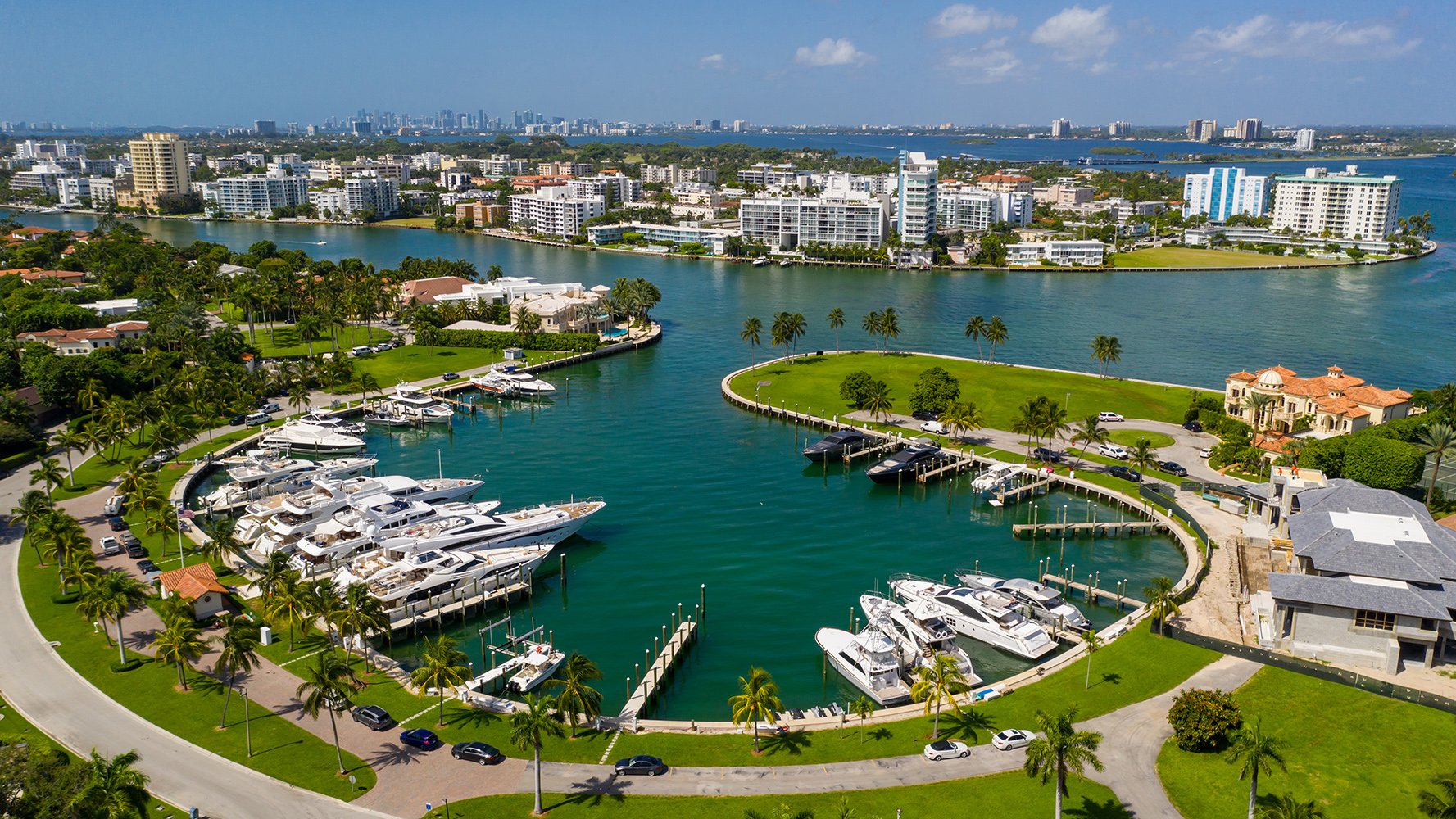
For a yacht owner, the best Bal Harbour residence is not necessarily the building with the most dramatic water view. It is the home that supports a precise operating plan: where the vessel will berth, how ownership or rental rights are structured, how quickly the owner can reach the dock, and what happens when severe weather disrupts the routine.
That distinction matters. Waterfront and oceanfront are visual and geographic descriptions, not guarantees of marina access. A residence may offer a compelling outlook while leaving the owner dependent on a separate marina agreement, tender plan, or ground transportation. A disciplined search therefore treats the condominium, berth, and storm strategy as three connected acquisitions.
Within Bal Harbour, Oceana Bal Harbour and Rivage Bal Harbour belong in a design-led residential comparison. Their inclusion does not confirm a deeded slip, marina privilege, vessel accommodation, or particular resilience feature. Each point requires direct documentary review for the specific residence under consideration.
The buyer’s task is to separate lifestyle appeal from operational fit. Ask whether the preferred home functions smoothly on ordinary boating days, during extended absences, and when a named storm activates marina, building, or insurer requirements. The strongest choice is the one whose practical answers remain persuasive after the view is set aside.
A yacht owner may also compare nearby Bay Harbor Islands residences when the boating plan calls for a broader geographic review. Onda Bay Harbor and La Maré Bay Harbor Islands can be considered alongside Bal Harbour options, subject to verification of every marine, access, ownership, and storm-related detail.
This is not simply a comparison of buildings. It is a comparison of complete daily routes. Time the journey from residence to vessel, consider how guests and crew would arrive, and determine whether parking, deliveries, provisioning, and luggage transfers feel discreet and manageable. A short distance on a map can function very differently once bridges, traffic, security procedures, and loading logistics enter the equation.
Treat a boat slip as a diligence field, not a marketing phrase. Determine whether the contemplated berth is deeded, assigned, licensed, leased, separately owned, or controlled by another party. Counsel should review transferability, renewal provisions, fees, waiting lists, use restrictions, and any conditions tied to condominium ownership.
Vessel compatibility also demands exact measurements and written confirmation. Length alone is insufficient. Beam, draft, height, weight, utilities, shore power, boarding arrangement, and maneuvering room can determine whether a berth genuinely works. The route deserves equal scrutiny, including bridge clearances, channel conditions, wake zones, tides, and access to the owner’s preferred cruising grounds.
A future resale plan should be considered from the outset. The residence and berth may not transfer together, and their ownership structures may create different timelines or approval requirements. A coordinated legal review can prevent a beautiful acquisition from becoming an awkward marine arrangement.
Storm planning begins well before a forecast appears. Request the governing documents and current policies addressing shutters or impact protection, balcony preparation, emergency access, elevator operations, generators, flooding, drainage, building staffing, communications, and post-event re-entry. Confirm which responsibilities belong to the association and which remain with the owner.
The yacht requires a parallel plan. Establish who has authority to move it, where it may be relocated, when the decision must be made, and which captain, yard, marina, or service providers are responsible for each step. Review insurance obligations for both residence and vessel, paying close attention to deductibles, exclusions, storage requirements, and documentation.
Owners who travel frequently should prepare written instructions for household staff, property managers, captains, and family offices. The goal is not to predict every event, but to remove ambiguity when timing matters.
The decision should remain clear after multiple layers of diligence. Score each candidate across five categories: residential quality, verified berth structure, vessel and route compatibility, storm readiness, and ease of ownership. Give the marine and resilience categories enough weight to keep aesthetics from dominating the result.
Before signing, assemble condominium counsel, an insurance adviser, a marine professional, and the relevant property and yacht representatives. Ask each specialist to evaluate the same proposed arrangement rather than isolated pieces. The best Bal Harbour choice is ultimately personal, but the process should be exacting, documented, and calm.
Does a waterfront residence automatically include marina access? No. Access, berth rights, availability, and terms should be confirmed in writing for the specific property and vessel.
Is a water view enough for a yacht owner? A view can enhance daily life, but it does not replace a workable berth, route, transfer plan, or storm protocol.
What berth documents should counsel review? Review the instrument governing ownership or use, transfer rules, fees, restrictions, renewal terms, and association requirements.
Which yacht measurements matter most? Confirm length, beam, draft, height, weight, utility needs, boarding configuration, and required maneuvering space.
Should buyers test the route to the dock? Yes. Test it at realistic times and include security, parking, provisioning, guest arrival, and crew access.
What route constraints deserve attention? Verify bridges, channels, tides, wake restrictions, clearance requirements, and the path to intended cruising waters.
How should storm readiness be assessed? Review building policies, insurance, emergency power, drainage, staffing, communications, access controls, and recovery procedures.
Does the residence need a separate storm plan from the yacht? Yes. The plans should be coordinated, but each asset has distinct personnel, timing, insurance, and protection requirements.
Can berth rights affect resale? They can. Buyers should understand whether the residence and berth may transfer together and what approvals each transaction requires.
Who should advise on the acquisition? Consider condominium counsel, insurance and marine advisers, plus property, management, and yacht professionals familiar with the arrangement.
When you're ready to tour or underwrite the options, connect with MILLION.
If branded residences are on your mind — as a home or as an allocation — we would be glad to share what we are seeing, privately.
Begin a quiet conversation