A document-first guide to evaluating Continuum on South Beach glazing, warranty rights, replacement schedules, and special-order costs before closing.
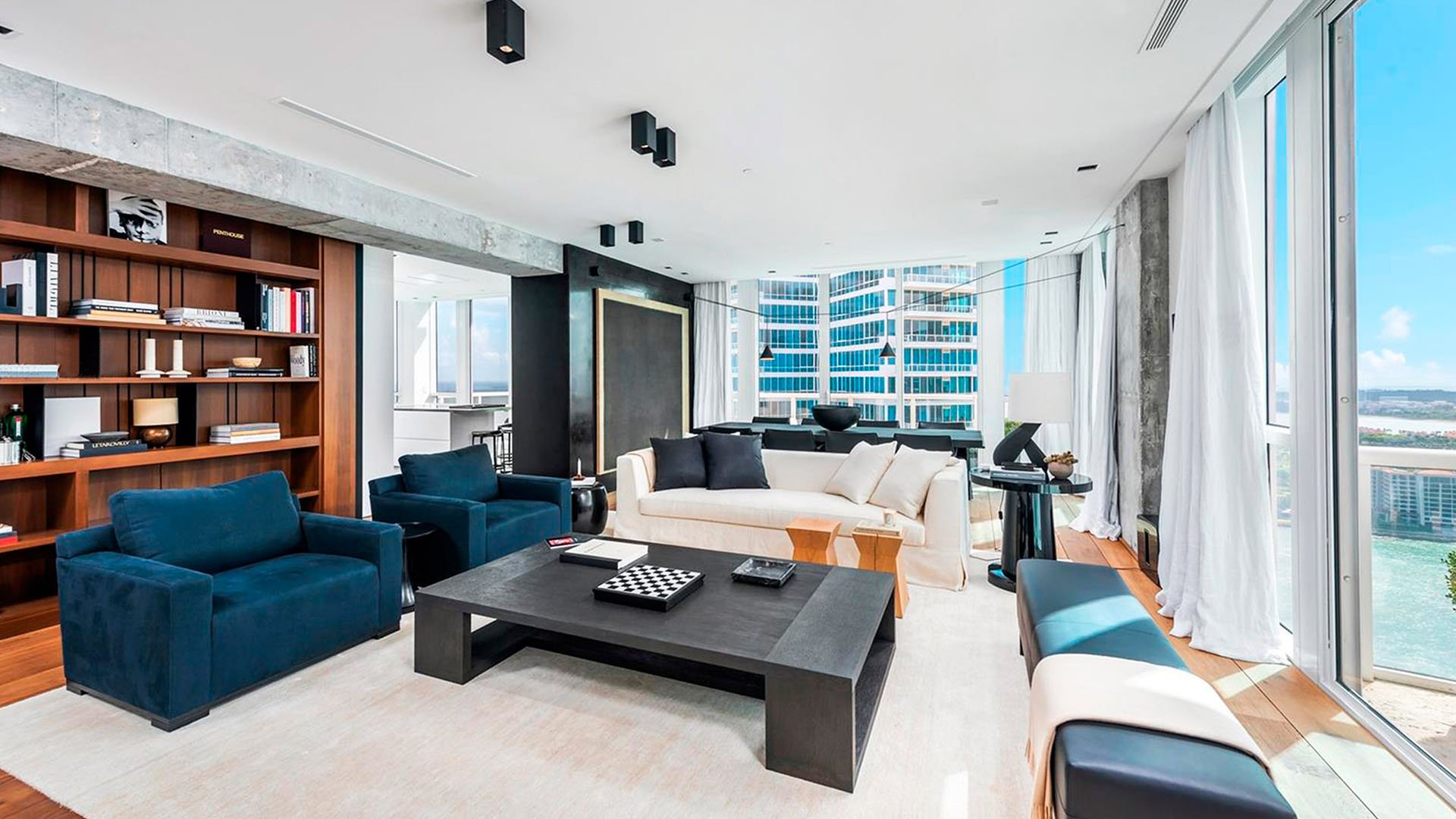
At Continuum on South Beach, appreciation of a glass-lined living space should be matched by scrutiny of the assembly that encloses it. The questions are specific: What is installed, which warranties remain enforceable, how would a replacement be procured, and who would absorb costs beyond the base glass price?
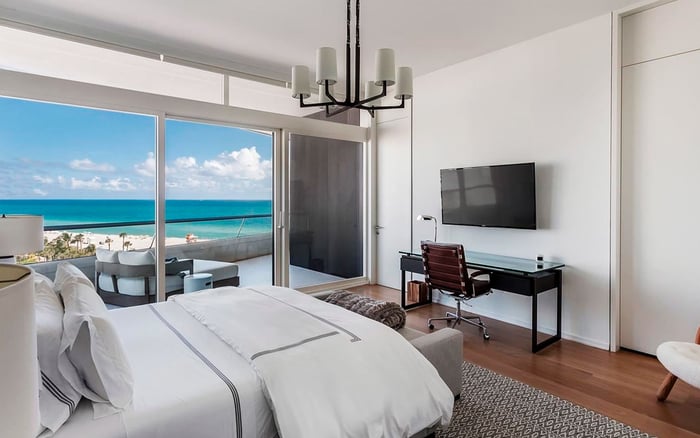
General descriptions of floor-to-ceiling sliding-glass doors with tempered, tinted glass designed to meet South Florida hurricane standards are not unit-specific specifications or warranty commitments. Nor should a buyer assume a standard replacement timetable or automatic reimbursement for special-order components.
Begin with the unit’s legal documents to establish the applicable tower and association. Then build a single evidence file linking each opening to its specifications, repair history, responsible party, and potential replacement cost. These are due-diligence requests, not statements of existing Continuum policy.
Request the manufacturer and model, window-and-door schedule, product approvals, and engineering specifications. Establish which components are original and which have been replaced. A broad description such as hurricane-standard glass does not answer those questions.
Have an appropriately qualified professional confirm replacement compatibility in writing, including glass thickness, tint, impact designation, design pressure, hardware, and gaskets. The objective is an acceptable replacement for the actual opening-not merely a visually similar panel.
For a buyer also considering Apogee South Beach, apply the same document standard independently. Compare the clarity of each residence’s evidence file; do not assume nearby properties share products, warranty terms, or maintenance allocations.
Record unresolved compatibility questions alongside the relevant opening so they remain visible during negotiation.
Request any applicable developer, manufacturer, and contractor warranties for glass, frames, hardware, sealants, and finishes. “The windows are covered” is not a complete answer. Ask the seller to connect each claimed protection to a document and the component it covers.
For every warranty, identify:
The issuer, beneficiary, covered component, and covered failure.
Effective and expiration dates, exclusions, and claim procedures.
Transferability, assignment requirements, and any required consent.
Whether labor, access, removal, and reinstallation are included.
Do not assign value to a warranty term until the operative document supports it. If coverage is described as transferable, seek written confirmation that the contemplated purchase satisfies its conditions. Keep warranty protection separate from association maintenance duties and insurance: each requires its own documentary answer.
The South Tower’s corrective-construction scope included cracked or spalled concrete, defective stucco, window and door sealants, sliding-glass-door and window hardware, and repainting or recoating of frames.
That history warrants targeted questions. It does not establish that every unit has a current defect, that work remains outstanding, or that the residence under consideration was affected.
Request engineering assessments, repair drawings, completion certifications, inspections, invoices, permits, leak complaints, and unit-specific before-and-after photographs. Ask the seller and association to identify which records apply to the residence, its openings, or adjacent exterior work.
The buyer’s task is to connect historical scope to present condition. A general description of completed work cannot substitute for evidence about the opening under review. Equally, a historical repair reference is not proof of an unresolved problem.
Florida condominium law generally assigns maintenance of common elements to the association, while recognizing that a declaration may assign maintenance of limited common elements to owners.
Unless the declaration provides otherwise, owners generally are not responsible for removing or reinstalling hurricane protection, including exterior windows and doors, when that work is necessary for association-responsible maintenance, repair, or replacement.
Those defaults do not, on their own, determine who pays for an individual Continuum unit’s broken glass or damaged hardware. Have condominium counsel review the applicable declaration, amendments, maintenance matrix, and alteration rules. Then seek written clarification of the allocation between association and owner.
Keep the inquiry component-specific: glass, frame, sealant, hardware, access, and interior restoration. Request an explanation of any distinction between routine maintenance and damage-related work. The aim is a usable allocation for the contemplated repair-not a general assurance that “the association handles the exterior.”
Request a dated supplier quote that identifies stock or special-order status and separates fabrication, shipping, approvals, and installation. Ask whether any required parts are discontinued and what approved alternatives, if any, are available.
An estimate should state its assumptions. Does timing begin after measurement, approval, deposit, or final specification? Does the quoted delivery date mean arrival of the glass or completion of installation? Identify which steps remain unresolved and who must authorize them.
If Five Park Miami Beach is also on your Miami Beach shortlist, request a separate procurement assessment for that residence rather than applying a Continuum estimate to it.
For Continuum, do not substitute a generic industry timeframe for a supplier’s written schedule tied to the required assembly.
A special-order inquiry should extend beyond the panel price. Ask who pays for custom fabrication, expedited freight, lifts or cranes, removal and reinstallation, temporary weatherproofing, interior protection, and finish restoration. Require the quote to distinguish included costs, allowances, and exclusions.
Examine the insurance position separately. Confirm deductibles, exclusions, depreciation, repair-versus-replacement valuation, capped allowances, consequential water damage, and interaction with the owner’s policy. A contractor’s price is not an insurer’s reimbursement commitment.
Continuum condominium-association litigation concerning Hurricane Irma involved post-loss obligations, insurance appraisal, and discovery concerning windows and doors. That history is separate from the South Tower engineering work. It establishes neither a unit’s present condition nor its current claim status or a purchaser’s entitlement to proceeds.
For any potentially relevant claim, request current status, appraisal or settlement documents, repair allocations, and releases affecting the unit. Ask counsel to explain what, if anything, transfers at closing.
Before closing, consolidate the evidence into a short decision sheet: installed assembly, documented condition, warranty rights, responsibility allocation, supplier schedule, and unreimbursed costs. Mark unanswered questions as unresolved rather than converting them into assumptions.
Where appropriate, discuss transferable warranty assignments, seller disclosures, and a repair escrow or holdback with counsel. Any negotiated arrangement should address who authorizes work, how completion is demonstrated, and who pays if the scope expands.
The strongest position is not a promise that glass can always be replaced quickly. It is a documented understanding of the replacement path, financial exposure, and obligations that will survive the purchase.
For a considered approach to South Florida luxury real estate, explore MILLION.
If branded residences are on your mind — as a home or as an allocation — we would be glad to share what we are seeing, privately.
Begin a quiet conversationNo standard term should be assumed. Request the applicable developer, manufacturer, and contractor warranties, including expiration dates, exclusions, and transfer conditions.
No. General descriptions are not unit-specific specifications; obtain the manufacturer, model, product approvals, and window-and-door schedule.
Review glass, frames, hardware, sealants, and finishes separately. Ask whether each applicable warranty includes labor, access, removal, and reinstallation.
No. It does not establish that a particular unit was affected, that every unit has a current defect, or that repairs remain outstanding.
Request engineering assessments, repair drawings, completion certifications, inspections, invoices, permits, leak complaints, and unit-specific photographs. Identify which records apply to the residence and its openings.
No. General statutory maintenance rules do not independently resolve an individual unit’s broken-glass costs; review the applicable declaration and written responsibility allocation with counsel.
Obtain a dated supplier quote separating fabrication, shipping, approvals, and installation. Confirm stock or special-order status, discontinued-part availability, and the event that starts the quoted schedule.
Ask about custom fabrication, expedited freight, lifts or cranes, removal and reinstallation, temporary weatherproofing, interior protection, and finish restoration. Identify who pays each cost and what the quote excludes.
No. It does not establish current unit condition, claim status, or entitlement to proceeds; request current claim documents and legal review of any rights that may transfer.
Discuss warranty assignments, seller disclosures, and a repair escrow or holdback with counsel where appropriate. Document responsibility for expanded scope, authorization, and proof of completion.