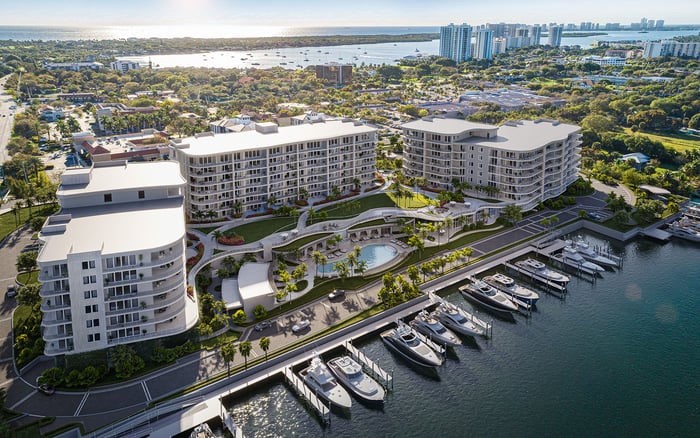
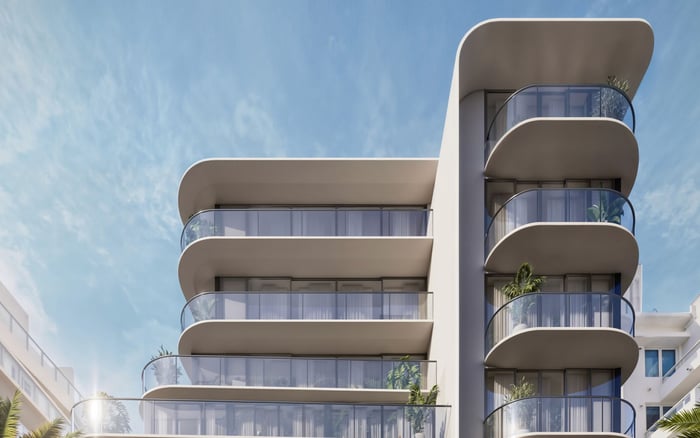
A privacy-led Bal Harbour buyer’s guide focused on elevator arrival, guest routing, service circulation, access control, and waterfront context.
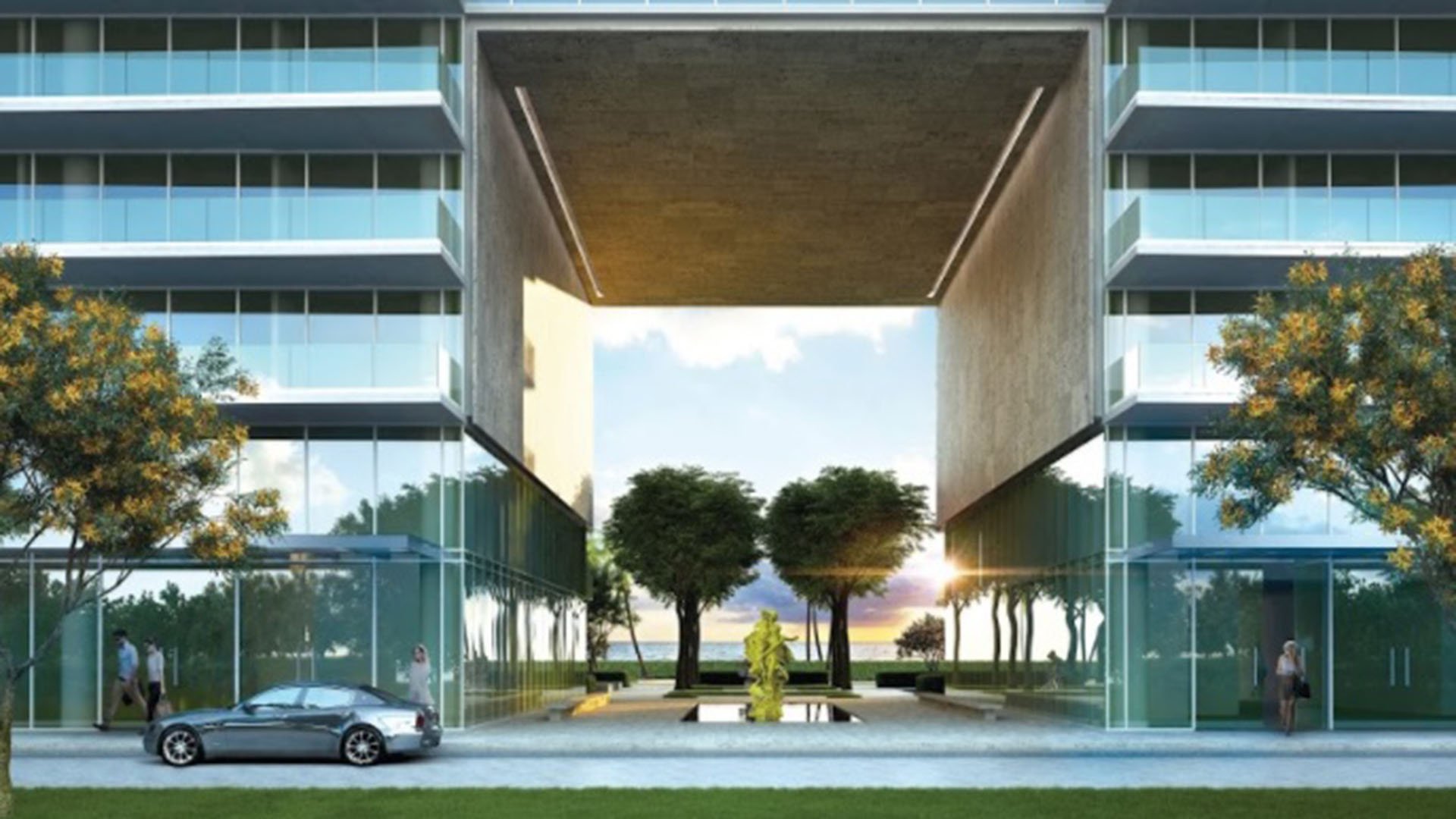
In Bal Harbour, the most compelling waterfront residences are defined by more than spectacle. For buyers who value discretion, the essential luxury is choreography: the transitions from vehicle to lobby, elevator to residence, and guest arrival to private interior should feel effortless yet remain controlled.
A private elevator can be central to that experience, but the phrase demands careful interpretation. It may describe an elevator serving a limited number of residences, a secured floor, or direct entry into a private vestibule. Buyers should confirm the precise configuration, including whether other residents, guests, staff, deliveries, or emergency personnel share any part of the route.
Guest access warrants the same scrutiny. Discretion depends on more than a staffed entrance; it encompasses credentialing, intercom protocols, visitor waiting areas, parking handoffs, camera placement, and the distance between public circulation and the residence itself.
For buyers maintaining a strict Bal Harbour address requirement, this concise ranking identifies the two residential names that merit direct comparison. Placement reflects geographic relevance to the brief, not a claim that every residence offers the same elevator or access arrangement.
1. Rivage Bal Harbour: focused Bal Harbour consideration
Rivage leads a privacy-focused inquiry because it aligns directly with the requested Bal Harbour waterfront search. Buyers should examine the entire path from arrival to residence and request plan-specific confirmation of elevator access, private vestibules, guest screening, and service movement.
2. Oceana Bal Harbour: established Bal Harbour consideration
Oceana Bal Harbour is the other essential name in a tightly defined local search. The decisive questions are residence-specific: how the selected home is reached, where visitors are received, whether deliveries remain separate, and how access credentials are administered.
The strongest assessment begins at the property line, not at the elevator doors. When considering Rivage Bal Harbour, trace the full sequence in person: vehicle approach, identification, valet or parking transition, lobby exposure, elevator call, floor access, and entry into the home. A plan may appear private yet still create unnecessary visibility at any one of these points.
Apply the same discipline to Oceana Bal Harbour. Ask whether elevator permissions are tied to a resident credential, controlled by staff, or granted remotely. Clarify what occurs when several guests arrive together, where they wait, and whether the resident can authorize access without opening the home to broader floor circulation.
For waterfront ownership, operational consistency matters as much as architecture. Staffing changes, busy arrival periods, contractor access, and delivery windows can reveal how effectively the privacy concept performs beyond a polished showing.
Discreet guest access should feel gracious, not defensive. The ideal sequence gives visitors a clear welcome while preserving the resident’s control over timing and proximity. Buyers should understand who verifies a guest, how that identity is communicated, and whether visitors can reach any residential level beyond the one authorized.
Service circulation deserves equal attention. Housekeepers, private chefs, personal assistants, contractors, and delivery personnel may use the building frequently. Confirm whether they enter through a distinct access point, whether service elevators reach the residence directly, and whether packages are stored, screened, or brought upstairs. Determine, too, whether staff routes intersect with primary arrival areas.
Privacy can also be affected inside the residence. An elevator opening directly into the living space may be dramatic, yet a lockable vestibule can provide a valuable buffer. Review door controls, sightlines, acoustic separation, and the location of any secondary or service entrance.
Some buyers will compare Bal Harbour with neighboring Surfside while preserving the same oceanfront lifestyle brief. Arte Surfside can serve as a nearby comparison for purchasers assessing whether municipal boundaries matter less than the quality of arrival and circulation. The Delmore Surfside offers another point of reference for a broader coastal search.
These comparisons should sharpen the decision, not blur it. If a Bal Harbour address is nonnegotiable, use neighboring properties to evaluate design language, privacy expectations, and service concepts, then return to the two local candidates for residence-level verification. Rivage Bal Harbour, Oceana Bal Harbour, Arte Surfside, and The Delmore Surfside represent distinct project searches, not interchangeable locations.
Request the condominium documents, current access policies, relevant floor plans, and written clarification of elevator operation. Determine whether the elevator is truly private, semi-private, or simply controlled by floor. Ask how credentials are issued, revoked, and audited, particularly for household staff and recurring guests.
Whenever possible, visit at more than one time of day. Observe valet activity, lobby traffic, delivery handling, and the transition from common areas to the residence. For a second home, confirm how the property manages arrivals during the owner’s absence and whether authorized representatives can be accommodated without weakening control.
Finally, treat privacy as an operating system rather than a single amenity. The best choice will align architecture, staffing, technology, and household routines with the owner’s preferred degree of visibility.
Does a private elevator always open directly into the residence? No. It may open into a private or shared vestibule, so the precise floor plan and access controls require confirmation.
What is discreet guest access? It is a controlled arrival sequence that welcomes authorized visitors while limiting unnecessary exposure to residents and private floors.
Should elevator privacy be confirmed for each residence? Yes. Configurations and permissions can vary by line, floor, or individual home.
Why does the parking route matter? Parking, valet, and lobby transitions can create visibility before a resident reaches the secured elevator.
Are service elevators part of the privacy review? Yes. Staff, contractors, and deliveries should be assessed as part of the complete circulation plan.
Is direct elevator entry always preferable? Not necessarily. Some owners may prefer a lockable vestibule as a buffer between the elevator and living areas.
What documents should a buyer request? Request applicable plans, condominium documents, and current written policies governing visitors, credentials, deliveries, and staff access.
Should Surfside residences be compared with Bal Harbour options? They can provide useful coastal context, but buyers should keep address preferences and local priorities distinct.
How should a second-home owner evaluate access? Focus on remote authorization, credential management, representative access, and procedures followed while the residence is unoccupied.
What ultimately defines the best private arrival? It is the alignment of physical design, attentive staffing, reliable controls, and household-specific routines.
To compare the best-fit options with clarity, connect with MILLION.
If branded residences are on your mind — as a home or as an allocation — we would be glad to share what we are seeing, privately.
Begin a quiet conversation