A family-office guide to five ranked purchase priorities for Miami-Dade coastal residences, with a focus on terrace comfort, flood exposure, opening protection, storm storage, and documented lock-and-leave responsibilities.
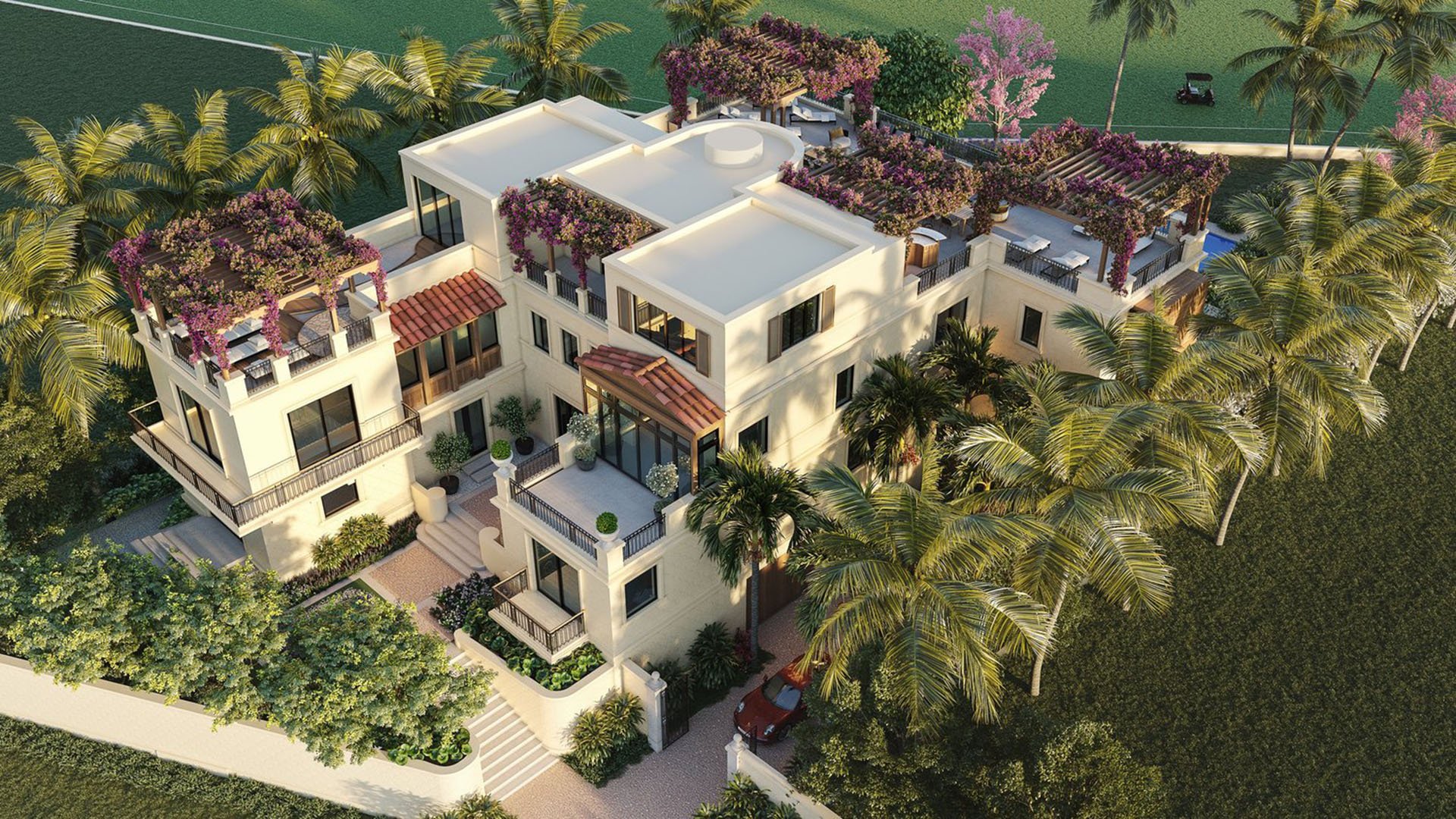
For a family office, a coastal residence must do more than photograph beautifully. It should offer outdoor space worth using and a departure routine that does not depend on the principal's presence. The strongest lock-and-leave choice combines physical protection, a practical terrace, and clearly assigned responsibilities.
A generous terrace is not automatically a comfortable one. Wind, shade, drainage, and furniture storage each deserve scrutiny. So do the building systems that support the residence when the owner is elsewhere. Treat these as purchase conditions, not finishing touches.
The five priorities below are ranked decision gates, not a ranking of five properties or interchangeable amenities. They establish what a residence must demonstrate before a family office considers it a lock-and-leave option.
1. Flood-exposure discipline: distinguish three different risks
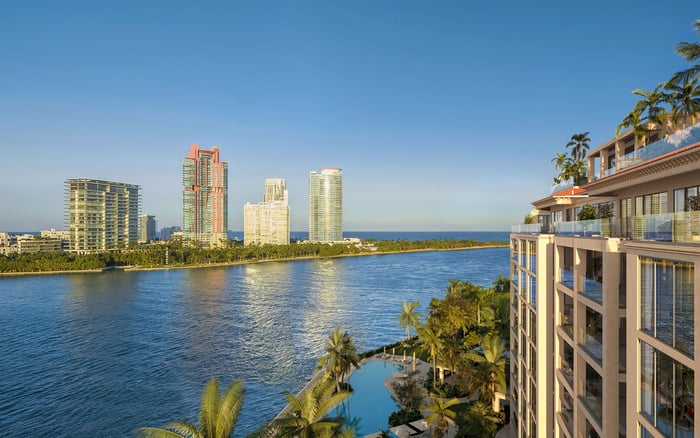
Treat flooding, storm surge, and sea-level rise as separate questions. Waterfront is a setting, not a complete risk assessment. Neighborhood exposure should shape the shortlist before terrace finishes or service offerings become decisive.
An upper-floor residence does not remove the need to assess whether remaining in a high-rise during a hurricane is safe. Request a property-specific review that includes the lower levels and systems serving the residence. The question is not simply whether the apartment sits above water, but which conditions could interrupt its use.
2. Verified opening protection: look beyond impact-glass language
Ask a qualified design professional to verify the hurricane-protection requirements applicable to the Miami-Dade residence and its exterior openings. A marketing description is no substitute for documentation of the actual installation.
Ask for the applicable approvals, installation records, and operating requirements for the residence's doors and windows. Historical code background does not prove a particular building's current compliance. For an absentee owner, any system requiring action before a storm also needs a named person responsible for that action.
3. Floor-specific protection: do not equate height with safety
Request a floor-specific review of debris-protection requirements and installed systems. Do not assume upper-floor protection carries the same debris-resistance specification as lower-floor protection.
Have the relevant design professional confirm the requirements and installed systems for the exact residence. Keep that review separate from terrace wind comfort: debris protection does not establish whether a dining table or shaded seating area will be pleasant to use.
4. Terrace and drainage discipline: assess construction and water management together
Review terrace construction, material condition, and site-level water management together. Neither the construction material nor the presence of permeable areas establishes the drainage capacity of an individual terrace.
Request a review of terrace falls, drain locations, maintenance access, and the approved drainage arrangement. Then examine shade and wind at the intended seating positions. A deep outdoor room deserves credit only after its intended uses, maintenance needs, and furniture-storage plan have been considered together.
5. Protected critical equipment: establish what remains operational
Ask a qualified reviewer to confirm the elevation of critical equipment, including generators, air-conditioning units, and pool systems, against applicable flood-elevation requirements. Include any lower-level usable-space build-out in that review.
Request an assessment of lower-level finishes, electrical and HVAC equipment, and any applicable flood-vent requirements. Separately, obtain written details of generator coverage. Equipment elevation and the presence of a generator do not establish which services, if any, would remain available to a particular residence.
Begin with the intended use: breakfast, afternoon reading, or evening dining. Ask a qualified reviewer to assess wind conditions and shade for those activities at the proposed furniture locations. A single viewing is not evidence of comfort throughout the day or across seasons.
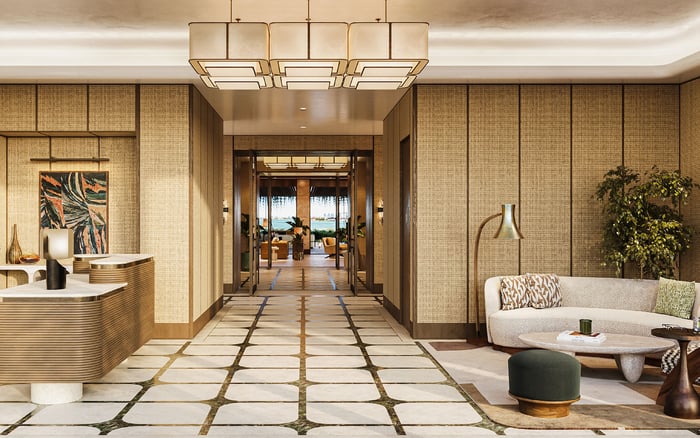
For a Miami Beach search that includes The Perigon Miami Beach, apply the same residence-specific questions before assigning value to outdoor space. The project name should never substitute for a wind assessment, drainage review, or storage measurement.
Consider shade alongside storm preparation. Ask which shading elements are fixed, which must be retracted or removed, and who performs that work. Confirm the building's rules before assuming an umbrella, screen, or other addition can form part of the terrace plan.
In Sunny Isles Beach, a family office considering St. Regis® Residences Sunny Isles should likewise request the relevant details for the selected residence. Assess terrace usability separately from views and interior square footage.
Storm storage should begin with an inventory, not a promise. Record the dimensions of furniture, cushions, planters, and removable shade elements. Ask where each item would go, whether that location is permitted, and whether the transfer can be completed without the owner present.
Do not presume a common storage area is available or appropriate. Confirm access, permitted contents, and the route from terrace to storage. Ask the management team to identify items requiring specialist handling and any deadlines governing preparation.
If Onda Bay Harbor enters the shortlist, use the same inventory exercise rather than assuming a storage solution. For a second-home purchase, the objective is a departure plan that can be executed with clear authority and without improvisation.
The family office should request a written allocation of responsibilities: who checks the residence, who handles permitted storm preparation, who can authorize access, and who documents completion. Distinguish services included in ownership from those requiring a separate agreement.
A Brickell comparison involving Una Residences Brickell warrants the same operational scrutiny. Ask what happens when the owner is away, what management can undertake, and what remains the owner's responsibility. Do not infer those answers from branding.
The best buyer's guides keep comfort and resilience distinct, then bring them together at the decision stage. Select the residence whose outdoor space suits the family's habits and whose protective systems, storage arrangements, and operating responsibilities withstand detailed review. That is a more useful definition of luxury than terrace area alone.
Explore your next coastal residence with MILLION.
If branded residences are on your mind — as a home or as an allocation — we would be glad to share what we are seeing, privately.
Begin a quiet conversationPrioritize flood exposure, documented opening protection, terrace practicality, protected critical equipment, and written responsibilities for periods when the owner is away.
No. Flooding, storm surge, and sea-level rise should be evaluated separately rather than compressed into a single waterfront label.
Height alone does not establish safety. Whether to remain in a high-rise during a hurricane still requires a separate assessment.
It does not establish the complete protection specification or installation details. Request the relevant approvals and records for the actual residence.
Ask a qualified design professional to confirm the requirements and installed systems for the exact floor and residence. Do not assume upper- and lower-floor protection specifications are identical.
Ask a qualified reviewer to assess the actual furniture positions and intended activities. A single viewing does not establish comfort across different times or seasons.
No. Drainage requires a separate review of falls, drains, maintenance access, and the approved arrangement.
Include an inventory of removable items, a permitted storage location, a transfer route, and the person responsible for completing the work.
Have a qualified reviewer assess generators, air-conditioning units, and other critical equipment against applicable flood-elevation requirements. Verify generator coverage separately.
Document inspection duties, storm-preparation responsibilities, access authority, and completion records. Clarify which services are included and which require separate agreements.