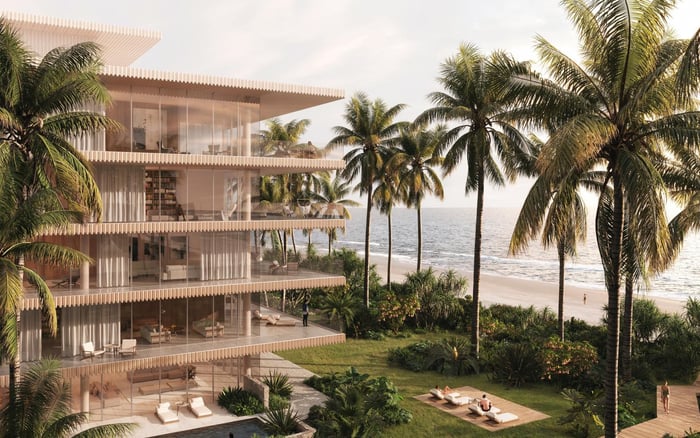
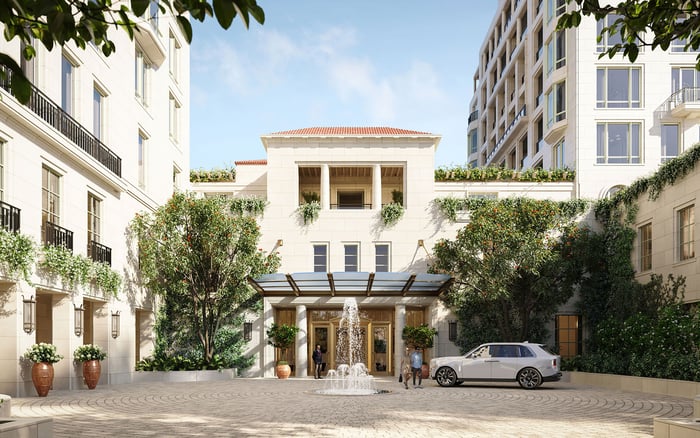
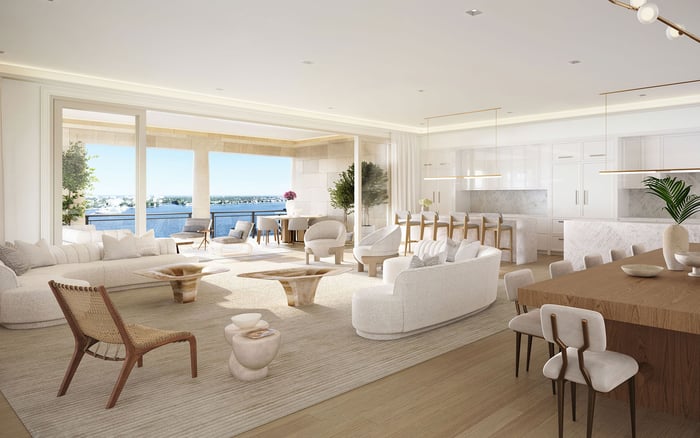
South Flagler House’s planned wellness program warrants a precise operating review. For family offices, the essential questions concern capacity, guest eligibility, outside practitioners, and the written rights that support everyday use.
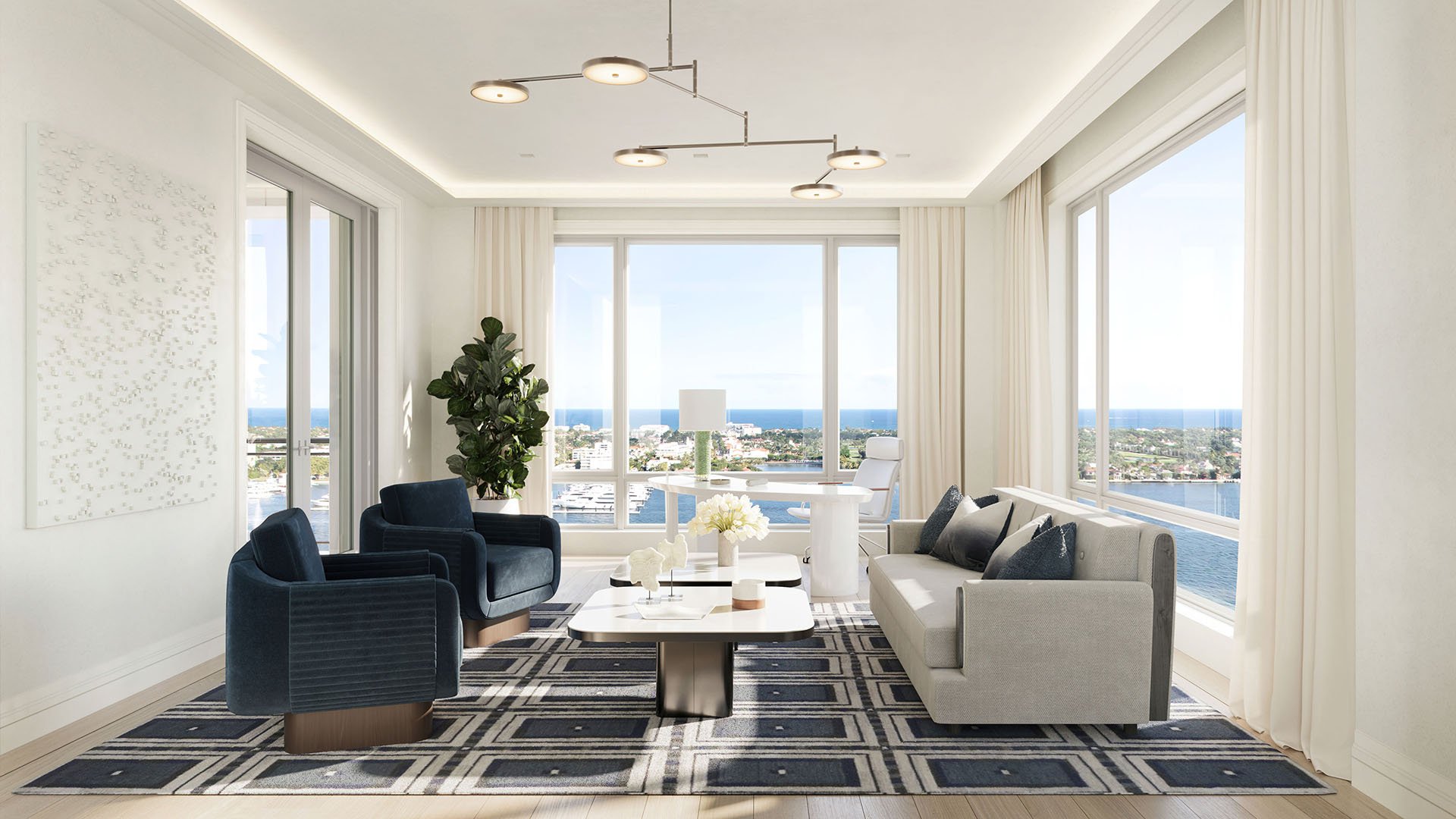
At 1355 South Flagler Drive in West Palm Beach, South Flagler House West Palm Beach presents a residential amenity program marketed at approximately 50,000 square feet. For a family office, the appeal is clear: fitness, recovery, recreation, and entertaining planned within the residential setting. The acquisition question, however, extends beyond which rooms appear in the program. It is whether the household can use them predictably, with its guests and preferred practitioners.
The distinction is consequential. Planned facilities and advertised resident access do not establish appointment availability, guest privileges, or permission to bring an outside professional. A useful diligence file separates the physical offering from the operating rights and identifies which commitments require written confirmation before purchase.
The planned fitness offering includes a fitness center, flexible fitness lounge, Pilates and yoga studios, outdoor recreation lawns, and a private training studio. Aquatic facilities include a 25-meter lap pool, extended sun shelf, oversized hot tub, and poolside cabanas. These are meaningful components of the program, but neither their presence nor the aggregate amenity area establishes how many households can use them comfortably at once.
The spa description includes separate men’s and women’s suites, each with a vitality pool, cold or ice plunge, steam room, sauna, changing areas, and lockers. Other amenity descriptions identify treatment rooms, a beauty salon, and unisex hydrotherapy. Request a reconciled layout showing whether these descriptions refer to distinct spaces, shared facilities, or a revised arrangement. Do not assume that either description resolves the other.
The wider recreation program includes indoor pickleball, sports and putting simulators, a sports bar and games lounge, ping-pong, billiards, and foosball, alongside children’s and teen-oriented spaces. That breadth matters to a multigenerational household, but it does not establish age permissions within adult wellness areas.
Room-by-room occupancy limits, treatment-room counts, equipment counts, and wellness staffing levels remain undisclosed. So do resident-to-amenity ratios, reservation inventory, peak-period utilization rules, and guaranteed appointments. The 25-meter pool dimension describes a facility, not its lane availability or scheduling policy.
Request an operating plan that distinguishes physical occupancy from bookable capacity. A studio’s maximum occupancy is not necessarily its class size; a treatment room’s opening hours do not establish practitioner coverage. The file should identify equipment inventory, staffed service hours, maintenance closures, and the number of appointments or reservations available during the household’s preferred periods.
Then test a realistic household schedule: morning training, afternoon swimming, and recovery appointments during a busy seasonal week. Ask management how simultaneous demand would be handled, including resident priority, waitlists, booking windows, cancellation fees, blackout periods, and usage limits. This is a proposed diligence exercise, not a statement of existing rules.
For buyers also considering Forté on Flagler West Palm Beach, apply the same capacity questions to each property. Compare confirmed operating terms rather than assume that amenity descriptions imply equivalent access.
Resident access is identified for the lap pool, private spa, fitness center, golf simulator, Pilates and yoga studios, private dining rooms, wine-tasting lounge, and guest suites. That statement does not establish a detailed wellness guest policy. In particular, guest-suite availability should not be treated as permission for an overnight visitor to use every wellness facility independently.
Request the declaration and current house or club rules, then have counsel distinguish owners, household members, tenants, overnight guests, day invitees, and unaccompanied visitors. For each category, establish which facilities are accessible, whether resident accompaniment is required, and whether the visitor may reserve a studio, treatment room, cabana, or private dining room.
Age restrictions also remain undisclosed for spa suites, cold plunges, saunas, steam rooms, fitness areas, and pools. Children’s and teen recreation spaces do not resolve those questions. A family office should obtain age and supervision requirements facility by facility, rather than rely on a general description of family-friendly amenities.
A household comparing Alba West Palm Beach can use the same guest matrix without presuming that either residence follows the other’s rules. The relevant comparison is the household’s actual access, not simply the availability of hospitality spaces.
A private training studio is planned, but whether trainers will be employees, contractors, resident-hired practitioners, or supplied by an outside operator remains undisclosed. Neither a spa operator nor a practitioner roster is identified. A dedicated room therefore does not establish a right to bring a preferred trainer or therapist.
Obtain written confirmation covering outside trainers, massage therapists, physical therapists, nutritionists, and physicians. Separate permission to visit a private residence from permission to work within common amenity areas. Ask which services may occur in each location, whether treatment rooms can be booked for outside providers, and who approves those arrangements.
Operational details deserve equal attention: licensing checks, insurance requirements, background checks, service hours, elevator procedures, and booking requirements remain undisclosed. Request the applicable approval process and any associated charges. For a household maintaining an established care or fitness routine, continuity should rest on documented permission, not an expectation based on planned facilities.
The acquisition file should connect the amenity plan, operating rules, reservation policy, and purchase documents. Ask counsel to identify which wellness facilities are contractually committed, their delivery dates, any permitted substitutions, and the status of operator agreements. Keep those questions separate from whether a particular facility is planned or marketed.
Also clarify whether the spa and salon may serve outside clientele or only residents and eligible guests. The program is presented as a residential offering, not a separately marketed public gym or day spa, but that framing does not resolve external-client access. The answer belongs in the operating file alongside resident priority and privacy procedures.
For each unresolved item, record the requested document, responsible party, written response, and any qualification. Not publicly disclosed does not mean prohibited or unavailable. It means the purchase decision should not depend on an unconfirmed privilege.
South Flagler House’s planned wellness breadth gives a family office substantial detail to evaluate. The decisive questions are operational: usable capacity at preferred times, eligibility for the people who will actually visit, and access for practitioners whose services the household values. Secure those answers before treating amenity scale as a substitute for everyday utility.
For a discreet perspective on South Florida residential acquisitions, explore MILLION.
If branded residences are on your mind — as a home or as an allocation — we would be glad to share what we are seeing, privately.
Begin a quiet conversationSouth Flagler House is located on the waterfront at 1355 South Flagler Drive in West Palm Beach.
Approximately 50,000 square feet of resident amenities is marketed. That aggregate area does not establish wellness capacity or appointment availability.
The planned facilities include a fitness center, flexible fitness lounge, Pilates and yoga studios, outdoor recreation lawns, and a private training studio.
The program includes a 25-meter lap pool, extended sun shelf, oversized hot tub, and poolside cabanas. Detailed occupancy and reservation rules remain undisclosed.
Amenity descriptions include separate men’s and women’s spa suites as well as unisex hydrotherapy. Request a reconciled layout explaining how those facilities relate.
The amenity descriptions do not establish guaranteed appointments or reservation inventory. Obtain written booking rules and staffing details before assuming availability.
Detailed wellness guest permissions and accompaniment requirements remain unconfirmed. Guest-suite access does not itself resolve wellness eligibility.
Age restrictions remain undisclosed for the spa suites, thermal facilities, fitness areas, and pools. Confirm age and supervision requirements for each facility.
Outside-practitioner access to amenity areas is not confirmed. Seek written permission, including approved locations and licensing, insurance, and booking requirements.
Request the declaration, current house or club rules, operating plan, reservation policy, and applicable practitioner requirements. Have counsel review contractual amenity commitments, delivery terms, substitutions, and operator agreements.