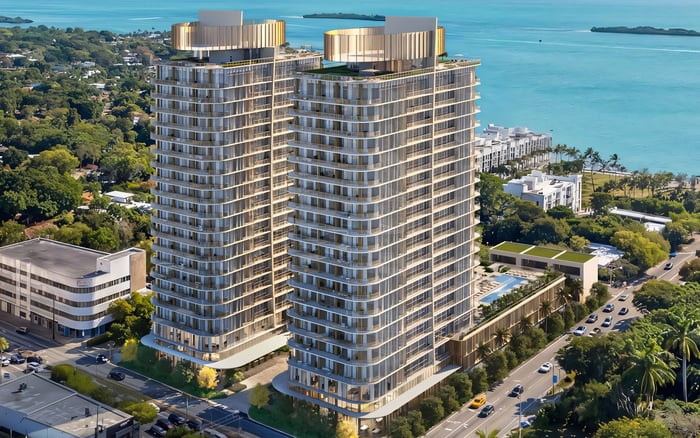
A discreet pre-departure framework for Toronto buyers coordinating cross-border advice, title structure, homestead analysis, documentation, funding, and a Miami closing.

For a Toronto buyer preparing to close near the Miami Design District, the most consequential work often happens before departure. The residence, ownership vehicle, intended use, family planning, financing, and closing logistics should form one coordinated brief-not a sequence of isolated decisions.
This is not simply an investment exercise or a conventional second-home purchase. It is a cross-border transition in which legal, tax, estate, banking, and real estate decisions intersect. The prudent approach is to define the buyer's objectives, assign each question to the appropriate adviser, and prevent the closing calendar from forcing a premature choice.
Begin with a written ownership statement. It should identify who will use the residence, whether privacy is a priority, how long the property may be held, whether financing is contemplated, and how succession should be addressed. Those answers give Canadian and U.S. advisers a shared set of assumptions to test.
Before signing final ownership documents, create a single contact sheet for Canadian tax counsel, U.S. tax and estate counsel, Florida real estate counsel, the closing team, the lender if applicable, an insurance adviser, and the real estate representative. Each professional should know which decisions remain open-and who has authority to resolve them.
Request a concise written comparison of the ownership alternatives under consideration. Rather than asking whether an entity is generally preferable, ask how each option addresses personal use, privacy, administration, financing, succession, and the buyer's cross-border profile. The objective is not the most elaborate structure, but one whose purpose can be clearly explained and consistently maintained.
Timing warrants equal attention. An entity should not be introduced at the last moment without confirming that the contract, lender, title work, insurance arrangements, and closing documents can accommodate it. If the purchaser named in the contract may change, counsel should direct the process before any documents are revised.
Entity structure and homestead planning belong in the same conversation, but they are not interchangeable. Florida counsel should analyze the intended title arrangement, occupancy plans, and the buyer's circumstances before anyone assumes that a particular treatment or protection will be available.
Ask counsel to distinguish among three questions: how title should be held at closing, what actions may be relevant after occupancy, and which records should be retained. This sequence reduces the risk of treating a future filing or personal intention as though it automatically resolves the ownership analysis.
Residency questions require independent cross-border advice. Travel, family connections, business activity, available homes, and documentation may all be relevant to an adviser's review. The property closing should therefore be coordinated with the broader departure plan-not used as a substitute for it.
Manage the Miami closing through one controlled checklist. Include identification, entity records if relevant, lender requirements, proof-of-funds materials, wiring procedures, insurance decisions, inspection items, signature arrangements, and access planning. Identify which documents require originals and which can be handled electronically, then confirm each point with the closing team.
Wire security warrants a separate protocol. Verify instructions through a trusted contact using independently confirmed details, define who may approve a transfer, and never change procedures in response to an unverified message. For a buyer still in Toronto, the funding schedule should also allow time for banking review and any documentation requested by the institutions involved.
Maintain a decision log alongside the checklist. It should record the selected title holder, the professional who approved the choice, unresolved conditions, signing deadlines, and the person responsible for each next step. This is particularly useful when several family members or advisers are involved.
The property shortlist should reflect the same intended-use assumptions presented to counsel. A buyer focused on the Design District may begin with Kempinski Residences Miami Design District or consider Miami Tropic Residences while refining location, ownership, and closing priorities.
If the search expands into Brickell, The Residences at 1428 Brickell can be assessed within the same disciplined framework. A Miami Beach alternative such as The Perigon Miami Beach may prompt a different conversation about lifestyle, frequency of use, and property management.
Consistency is essential. The residence being pursued, the way it will be occupied, and the title structure under review should all describe the same plan. This buyer-first approach prevents an attractive opportunity from outpacing the advisory work.
Before leaving Toronto, hold a brief conference with the principal advisers and closing contact. Confirm the purchasing party, signing method, funding path, outstanding approvals, possession arrangements, and post-closing responsibilities. Label any open homestead or residency issue as pending rather than treating it as resolved by assumption.
The Design District closing can then proceed as part of a documented transition. Precision is the luxury: one plan, clearly assigned decisions, and sufficient time for qualified advisers to test the structure before funds move.
Should an entity be formed before signing a purchase contract? Counsel should review the buyer's objectives and transaction documents before determining the appropriate timing.
Is an entity always preferable for a Miami residence? No universal structure fits every buyer. Personal use, privacy, financing, succession, and cross-border considerations should be reviewed together.
Does buying a residence automatically resolve homestead questions? Buyers should not make that assumption. Florida counsel should assess title, occupancy plans, eligibility, and any later steps.
Can the purchaser named in the contract be changed before closing? The closing team and counsel should review the contract and direct any proposed change before documents are altered.
Which advisers should participate in the ownership decision? The core group may include Canadian and U.S. tax advisers, estate counsel, Florida real estate counsel, and financing professionals.
What should be completed before leaving Toronto? Confirm decision-makers, title strategy, identification, funding procedures, signing logistics, insurance work, and unresolved conditions.
How should a buyer manage closing funds remotely? Establish a documented transfer schedule and verify instructions through independently confirmed contact details before sending funds.
Should the property search wait until the structure is finalized? Not necessarily, but the search and advisory review should proceed in parallel, guided by consistent assumptions about ownership and use.
What belongs in the post-closing file? Retain executed closing documents, title and entity records, insurance materials, payment details, access information, and adviser instructions.
Who should coordinate the overall process? Designate one lead contact to maintain the calendar, circulate decisions, and route legal or tax questions to the appropriate professional.
To compare the best-fit options with clarity, connect with MILLION.
If branded residences are on your mind — as a home or as an allocation — we would be glad to share what we are seeing, privately.
Begin a quiet conversation