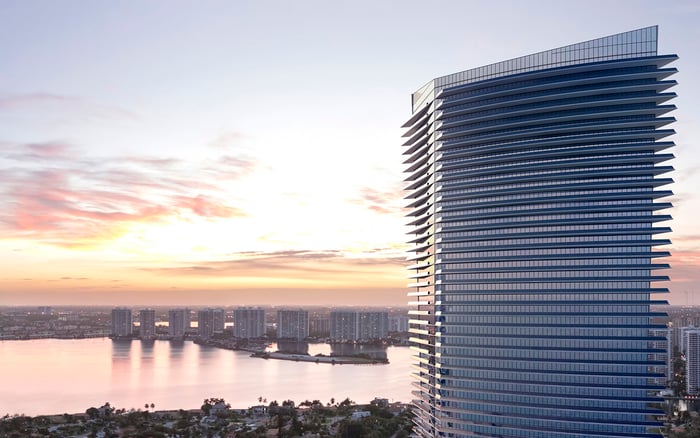
A buyer-focused framework for reviewing master-policy scope, wind and flood protection, deductibles, reserves, HO-6 gaps, and possible assessment exposure at Miami Design Residences.

Insurance diligence at Miami Design Residences should begin with the documents made available to the buyer. Determine whether the figures presented are current commitments, estimates, or projections, and ask for written clarification wherever the materials are incomplete.
Apply the same document-first discipline when comparing other South Florida residences, including Kempinski Residences Miami Design District and Miami Tropic Residences. Design appeal and insurance preparedness should be evaluated as separate parts of the purchase decision.
Ask for the full master insurance package available for review. The diligence file should identify the stated limits, deductibles, endorsements, exclusions, named insureds, covered property, and any sublimits shown in the documents.
Do not treat the presence of a policy name as proof that a particular loss or property component is covered. Instead, ask the buyer’s insurance adviser and counsel to explain the scope of each relevant document and identify unresolved gaps.
The review can address wind, flood, property, liability, equipment, ordinance-or-law, umbrella, crime or fidelity, and directors-and-officers protection when those coverages appear in the materials. The objective is to establish what the documents actually provide rather than assume a standard package.
If a deductible is expressed as a percentage, identify the valuation base to which that percentage applies and convert the result into dollars. Also determine whether the documents describe the deductible as applying by occurrence, building, coverage section, or another basis.
The next question is how the association expects to fund the deductible. Request a written explanation addressing available cash, reserves, borrowing capacity, assessment procedures, or any other funding source identified by the association. This analysis helps distinguish the stated insurance terms from the possible financial effect on owners.
Ask for the wind and flood documents separately and confirm which perils, property, and limits each document addresses. Do not infer flood protection from wind-related materials or vice versa.
Request the flood-zone determination or mapping used for the property and have the buyer’s advisers verify it. If financing is involved, the buyer should also confirm the lender’s insurance requirements directly rather than assume that association-level documents satisfy them.
This separation is useful when comparing Miami-Dade properties such as The Residences at 1428 Brickell. Each property requires its own review of available hazard information, policy terms, and owner-level coverage needs.
Review the current budget, reserve materials, structural or engineering reports made available to buyers, and any disclosed capital projects. Ask how projected work, deductible obligations, and uninsured costs would be funded if they arose close together.
A reserve total should be considered alongside the obligations it is expected to support. Buyers can ask whether funds are restricted, already allocated, or dependent on future contributions, and whether the available documents identify possible borrowing or assessment needs.
For Miami Design Residences, the central diligence question is whether the financial plan shown to the buyer can respond to the insurance obligations described in the same file. Any mismatch should be clarified before a commitment is made.
Have an insurance professional compare the master insurance documents with the proposed HO-6 policy. The comparison should address the allocation of responsibility for interiors, improvements, personal property, temporary living costs, loss assessment, and any deductible-related gaps shown in the documents.
The owner-side review should reflect the residence and improvements the buyer actually intends to insure. This is equally relevant when evaluating a luxury condominium such as The Perigon Miami Beach, because coverage decisions should be based on the specific unit, association documents, and buyer profile.
Before closing, organize the master insurance package, flood materials, current budget, reserve information, structural reports provided for review, disclosed claims information, and assessment disclosures. Add written responses explaining deductible funding and any material gap identified by the buyer’s advisers.
If wind-mitigation documents are available, include them in the file and ask the insurance adviser how they affect the proposed coverage or underwriting. Keep unresolved questions visible rather than treating missing information as confirmation.
The purpose of this process is not to assume that every risk can be removed. It is to identify the documented coverage, quantify stated obligations where possible, and understand how costs could reach the owner.
Is an insurance certificate enough for condominium diligence? No. Request the complete insurance documents available for review and examine their limits, deductibles, endorsements, and exclusions with qualified advisers.
Why should percentage deductibles be converted into dollars? A dollar calculation makes the potential obligation easier to compare with the association’s stated liquidity and funding plan.
Should wind and flood materials be reviewed separately? Yes. Ask which documents address each peril and avoid assuming that one set of materials resolves both exposures.
How should a buyer verify flood information? Request the determination or mapping used for the property and have the buyer’s advisers verify it independently.
Who may fund a master-policy deductible? The answer depends on the governing documents and available funding plan. Ask for a written explanation of any role assigned to cash, reserves, borrowing, assessments, or other sources.
What reserve documents should a buyer request? Request the current budget, reserve materials, and any structural, engineering, or capital-project reports made available for review.
Why does liquidity matter in addition to reserves? Liquidity analysis helps show whether the association could meet a stated obligation without disrupting other planned expenditures.
What should an HO-6 review address? It should compare owner-level protection with the responsibilities and gaps identified in the master insurance and governing documents.
Why request disclosed claims and assessment information? Those materials can identify issues that deserve follow-up with insurance, legal, and financial advisers.
What is the core diligence question for Miami Design Residences? Determine whether the available insurance and financial documents clearly explain the coverage, deductibles, funding sources, and potential owner exposure.
If you'd like a private walkthrough and a curated shortlist, connect with MILLION.
If branded residences are on your mind — as a home or as an allocation — we would be glad to share what we are seeing, privately.
Begin a quiet conversation