A disciplined Brickell purchase goes beyond finishes and views. Buyers should examine balcony drainage, envelope testing, corrosion history, inspection records, repair close-outs, and the precise terms governing window and door warranties.
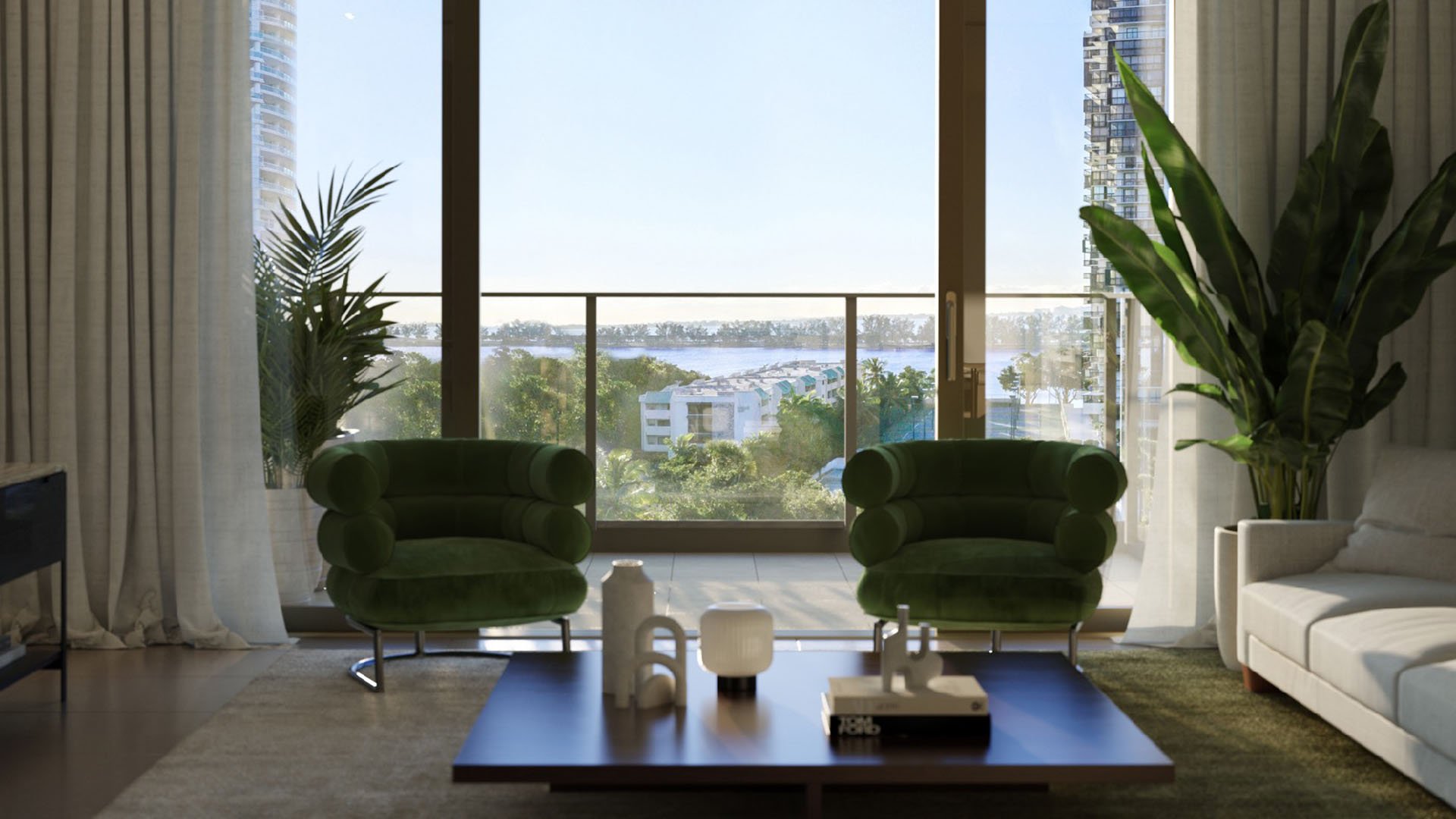
Brickell’s bayfront setting is central to its appeal, but that same marine exposure warrants disciplined technical review. Compared with inland conditions, salt-laden air can accelerate corrosion of aluminum frames and deterioration of window seals. Moisture can also migrate through balcony finishes, failed sealant joints, window perimeters, wall penetrations, and poorly resolved flashing details.
For a luxury buyer, this is not an argument against coastal living. It is a reason to assess the building envelope with the same rigor applied to floor plans, service, reserves, and views. Whether considering a resale residence or new-construction offering, the strongest diligence rests on original documents, qualified inspections, testing records, permits, and evidence that repairs were properly completed.
A pristine interior does not establish that the exterior envelope is performing correctly.
This principle applies throughout Brickell, including residences under consideration at Una Residences Brickell and Baccarat Residences Brickell. Project age may change the questions, but it does not eliminate the need to understand materials, installation details, maintenance responsibilities, and warranty terms.
Corrosion is rarely just a cosmetic concern. Examine window and sliding-door frames, fasteners, balcony rail anchors, exposed metal transitions, drains, and points where dissimilar materials meet. Powdering finishes, bubbling coatings, rust-colored streaks, staining below anchors, failed sealants, and doors that are difficult to operate can warrant closer professional review.
The important question is not simply whether corrosion exists. Buyers should ask what caused it, whether moisture is reaching concealed components, which party is responsible for maintenance, and whether a repair addressed the substrate rather than only the visible finish. Salt residue also makes documented cleaning and maintenance routines relevant, particularly when warranty coverage depends on prescribed care.
In a waterfront tower, exposure can vary by elevation, orientation, wind, and the detailing of each opening. A neighboring unit’s condition provides useful context, not proof of performance in the residence being acquired.
A balcony review should extend well beyond the appearance of its tile. Examine slope, drainage, waterproofing, slab condition, rail anchors, penetrations, door thresholds, and evidence of corrosion or moisture. Warning signs include ponding water, efflorescence, blistered coatings, failed sealant joints, interior stains, spalling concrete, exposed reinforcing steel, and rust-colored runoff.
Water that passes through a topping or membrane can remain against the structural slab, accelerating corrosion of reinforcing steel. A fresh coating is therefore not conclusive evidence of a durable repair. If damaged concrete or steel was not resolved first, deterioration may continue beneath a new membrane.
For moisture-barrier work, request the repair scope, contractor invoices, permits, close-outs, dated photographs, and any available pre-concealment inspection records. The documentary trail matters because completed finishes can hide the assembly responsible for the actual waterproofing.
Buyers comparing outdoor living at The Residences at 1428 Brickell should keep the distinction clear: visual refinement and technical water management are separate considerations.
An interior stain does not necessarily reveal where water entered. Moisture can travel from a window perimeter, sealant joint, stucco crack, balcony threshold, penetration, or another envelope component before appearing indoors. A credible investigation evaluates the surrounding system rather than treating visible damage as the diagnosis.
Controlled water testing can isolate suspected paths one component at a time. Ask for the test protocol, locations tested, observed failures, repairs performed, and post-repair verification.
A buyer’s review should consider how wall assemblies manage and drain moisture around windows, doors, wall penetrations, balconies, and similar projections. The review should encompass sill, head, side, threshold, sealant, and drainage conditions rather than focusing exclusively on the glass.
Impact-rated glass does not, by itself, establish that the complete window or sliding-door assembly resists water intrusion. Product rating, frame assembly, installation, flashing, sealants, sill design, and pan flashing where required all affect performance.
Ask for the product approval or rating, installation records, permit history, and details for each opening type. If windows or doors were replaced, confirm who performed the work and whether the permit was closed. If recurring leaks have been repaired, obtain test results and proof of post-repair performance-not only an invoice describing sealant work.
This is equally relevant when evaluating newer choices such as St. Regis® Residences Brickell. Buyers should distinguish between a product specification and the installed assembly within the building’s complete envelope.
Do not rely on a summary stating that windows are under warranty. Obtain the actual manufacturer and installer documents. Coastal warranties may limit or exclude corrosion attributed to salt-air exposure, restrict coverage for finishes, or impose cleaning and maintenance requirements.
Confirm that each warranty applies to the property address and transfers to the buyer if needed. Review the coverage period, covered components, exclusions, maintenance duties, claim procedure, labor terms, access obligations, and responsibility for removing finishes or furnishings. Determine whether the association or unit owner controls the relevant component and who may submit a claim.
The distinction is practical: a long warranty period has limited value if coastal corrosion is excluded, required maintenance was undocumented, or installation labor falls outside coverage.
For an older Brickell condominium, request available structural inspection and recertification materials, engineering reports, and documentation showing whether identified repairs were completed. The review should address records relevant to structural concrete, balconies, railings, exterior openings, and major building systems.
Round out the file with association minutes, repair scopes, special-assessment notices, permits, close-outs, leak-testing results, invoices, and dated photographs. Look for repeated complaints, temporary repairs, deferred scopes, access disputes, and unresolved funding. Give more weight to signed technical records and original warranties than to verbal assurances or cosmetic renovations.
Before the inspection period expires, have qualified legal, engineering, and insurance advisers clarify responsibility, remaining risk, and any conditions that should be resolved before closing. For discreet guidance on Brickell opportunities and property-specific diligence, connect with MILLION.
If branded residences are on your mind — as a home or as an allocation — we would be glad to share what we are seeing, privately.
Begin a quiet conversationSalt-laden air can accelerate corrosion of aluminum frames and deterioration of window seals compared with inland conditions. It also makes maintenance history and coastal warranty terms more important.
Look for ponding water, rust-colored streaks, efflorescence, failed sealants, blistered coatings, stains, spalling concrete, and exposed reinforcing steel.
No. A new membrane or coating can conceal unresolved concrete or reinforcing-steel damage, allowing deterioration to continue underneath.
It should examine drainage, slope, waterproofing, slab condition, rail anchors, penetrations, thresholds, corrosion, and evidence of moisture.
Not necessarily. Water can travel from windows, sealant joints, stucco, penetrations, or balcony details before becoming visible indoors.
Controlled water testing can evaluate suspected components one at a time. Buyers should request the test protocol, findings, repair details, and post-repair verification.
No. Water performance also depends on the complete assembly, including installation, flashing, sealants, sill details, and drainage.
Review corrosion exclusions, covered finishes, maintenance duties, claim procedures, labor coverage, transferability, and applicability to the property address.
Close-outs help show whether permitted work reached documented completion. They should be reviewed alongside repair scopes, invoices, photographs, and test results.
Request available inspection and recertification materials, engineering reports, association minutes, repair scopes, permits, close-outs, assessments, test results, invoices, and dated photographs.