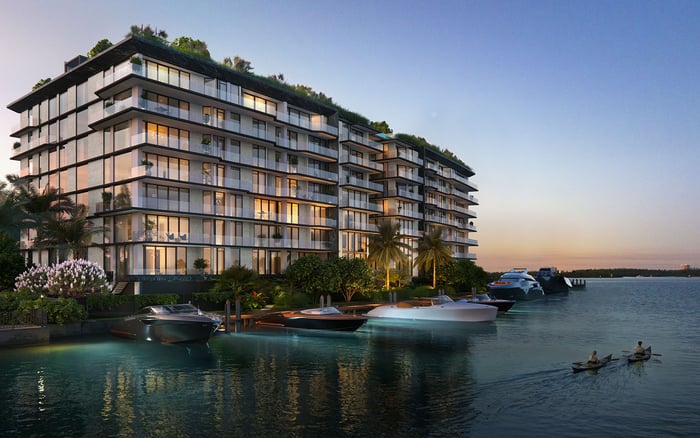
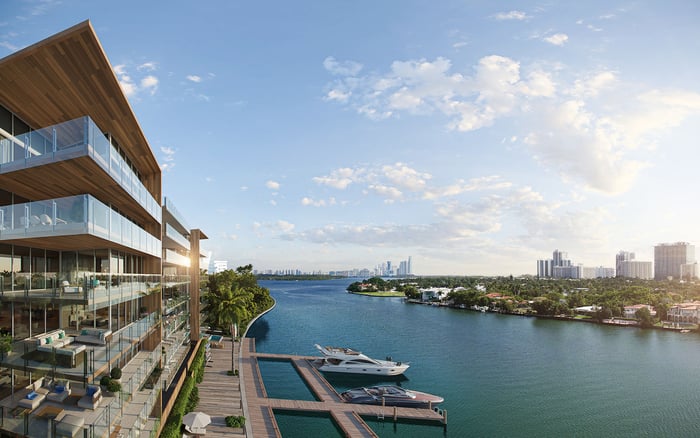
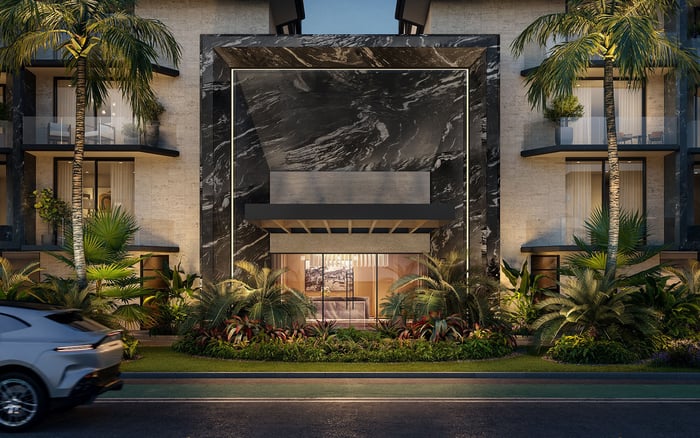
For Bay Harbor Towers buyers, orientation should be assessed room by room. Morning light, sunset exposure, afternoon glare, terrace comfort, view quality, and furniture placement can all shape daily use and future resale presentation.
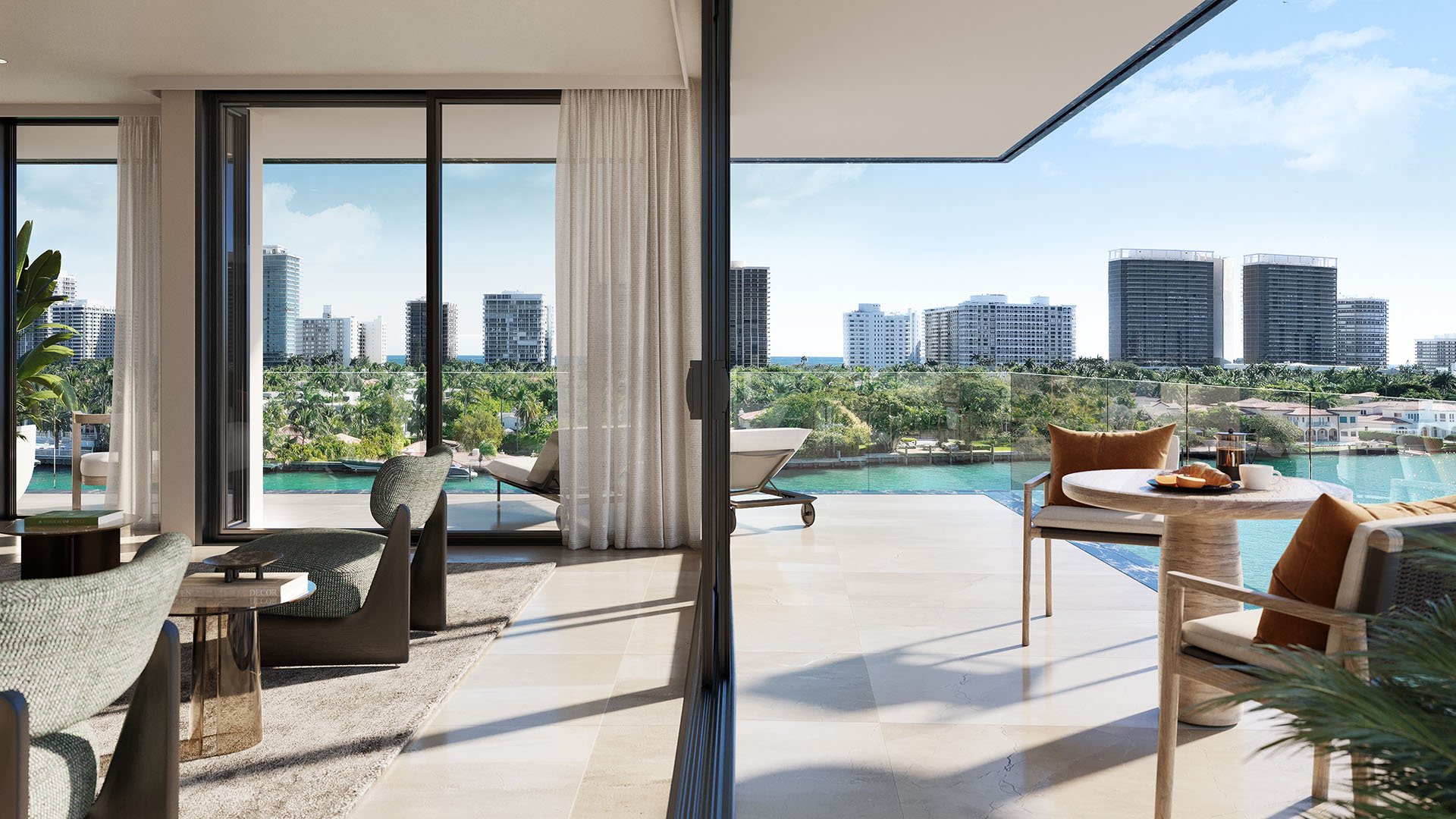
At Bay Harbor Towers, buyers should treat exposure as more than a label on a floor plan. The direction faced by a room or terrace can influence when the space feels inviting, how glare moves across screens and finishes, and how naturally the home supports a buyer’s routine.
The decisive question is not simply east or west, but which rooms receive each exposure.
The evaluation should begin with daily habits. Morning coffee outdoors, afternoon work, evening entertaining, and preferred bedroom light can favor different arrangements. A dramatic sunset may suit a buyer who hosts after work, while earlier afternoon shade may matter more to someone who spends the full day at home.
Marketing language alone cannot settle the question. Buyers should request a clearly marked orientation plan for the residence under consideration and compare it with the placement of the living area, primary bedroom, office, kitchen, and principal terrace. Floor level, nearby structures, terrace depth, and the angle of the view can also affect the experience.
East-facing spaces generally receive direct light earlier in the day. That can make a breakfast area, exercise space, or home office feel bright in the morning. As the sun moves west, those spaces may enter shade before rooms on the opposite side of the home.
For buyers who use outdoor areas during lunch or the afternoon, earlier shade can be an important practical benefit. It may also reduce glare during later working hours. The effect still needs to be checked in the specific residence because overhangs, neighboring buildings, glass specifications, and seasonal sun angles can change how the light reaches the interior.
Bedroom placement deserves particular attention. Morning light may suit an early schedule, but buyers who prefer a darker room after sunrise should evaluate shade options and the direction faced by the windows. The same exposure can be an advantage for one routine and a drawback for another.
West-facing rooms can provide a strong late-day atmosphere and a natural setting for evening entertaining. Sunset color may also create persuasive photography when a residence is eventually marketed for resale.
The tradeoff is the potential for stronger afternoon glare and warmth. Large areas of glass can make reflections more noticeable on televisions, computers, glossy cabinetry, and polished surfaces. Outdoor seating may also feel different when it remains in direct sun late in the day.
A buyer should visit the target residence during the afternoon whenever access allows. Sit where the sofa, dining table, desk, and terrace furniture are likely to be placed. Check whether direct light reaches those positions, how reflections appear on screens, and whether window treatments would be needed for comfort or privacy.
This inspection should extend beyond the main living area. A western primary bedroom, kitchen, or office may respond differently depending on glazing, shading, and room depth. Buyers should distinguish the emotional appeal of sunset from the practical conditions that accompany it.
A residence should be evaluated as a sequence of daily-use spaces rather than as one compass direction. Consider where the day begins, where work happens, which room receives guests, and which terrace is likely to be used most often.
The primary bedroom should be tested for preferred morning light and late-day comfort. The office should be checked for screen glare at the hours when it will normally be occupied. In the great room, buyers should note the relationship between the windows and likely television, art, and seating locations.
Terrace proportions deserve equal scrutiny. A deeper terrace or overhang may provide shade, but its effectiveness depends on the sun angle and the residence’s surroundings. Buyers should request available information about glass, window treatments, and terrace dimensions rather than assume performance from renderings.
Those comparing Bay Harbor Islands options can also review Onda Bay Harbor and La Maré Bay Harbor Islands. The useful comparison is not a generic ranking of exposures. It is an examination of how each plan assigns bedrooms, living areas, and outdoor spaces to available light and views.
A broad waterfront outlook can be central to a buyer’s decision, but view language should not replace an in-person analysis. Buyers should examine the angle and breadth of the outlook, any visible obstructions, and how much of the view remains available from seated positions.
A terrace can appear expansive when photographed from its edge yet feel different from the interior sofa or dining table. The same applies to bedroom views, which may be experienced primarily from the bed rather than directly beside the glass. Testing these positions helps separate a photogenic moment from the view a resident will encounter every day.
Light and view should also be considered together. A compelling western outlook may come with stronger afternoon sun, while an eastern room may offer a different balance between morning brightness and later shade. Neither condition is inherently superior; suitability depends on the buyer’s priorities and the precise plan.
A broader comparison may include Alana Bay Harbor Islands. Buyers can use each visit to ask the same practical questions: Where would morning coffee happen? Which room receives late-day light? Is the principal terrace comfortable at the hours when it would actually be used?
Orientation can support more than one persuasive resale story. Sunset-facing entertaining spaces may create an immediate emotional response and strong evening imagery. Rooms that move into shade earlier may appeal to buyers focused on daytime comfort, remote work, or frequent terrace use.
Neither story should be treated as a guaranteed premium. Resale positioning also depends on the residence’s layout, condition, finishes, view quality, and outdoor usability. These characteristics interact, making it difficult to isolate exposure as the sole source of value.
Owners can help future buyers understand the home by preserving the floor plan, marked exposure diagrams, available glass and window-treatment specifications, and photographs taken at different times of day. Clear documentation can make the light conditions easier to explain than generic descriptions such as “sunrise view” or “sunset view.”
The strongest choice is the residence whose orientation supports ordinary days as convincingly as special evenings. Buyers should select the room arrangement first, test light and comfort in person when possible, and regard sunset imagery as one component of the broader ownership and resale proposition.
For discreet guidance on selecting the right Bay Harbor Towers residence, connect with MILLION.
If branded residences are on your mind — as a home or as an allocation — we would be glad to share what we are seeing, privately.
Begin a quiet conversationOrientation can affect natural light, glare, terrace comfort, room use, and how a residence is presented at resale.
Check the direction faced by the living area, primary bedroom, office, kitchen, and principal terrace.
Eastern spaces generally receive light earlier and may move into shade sooner later in the day.
Western spaces may offer sunset appeal while also requiring closer evaluation of afternoon glare and warmth.
Visit during the afternoon when possible and observe the rooms and terraces that will receive the most daily use.
Sit where the sofa, dining table, desk, bed, and television are likely to be placed.
Terrace depth, overhangs, surroundings, and sun angle can change how much direct light reaches outdoor seating.
Assess its breadth, angle, visible obstructions, and appearance from normal seated positions inside and outside.
No. Resale appeal also depends on layout, condition, finishes, view quality, and outdoor usability.
Keep floor plans, exposure diagrams, available specifications, and time-of-day photographs that document actual light conditions.