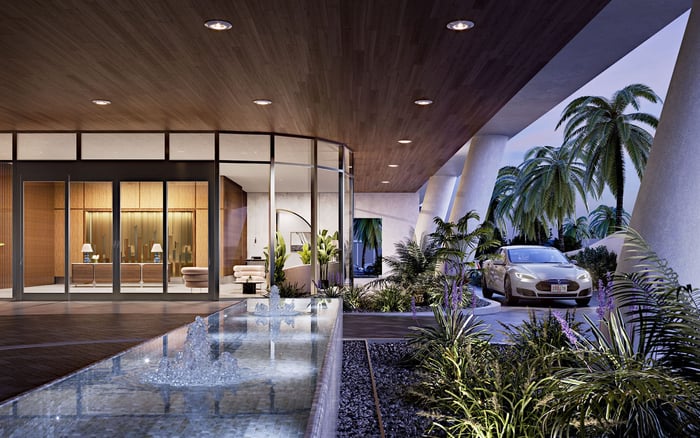
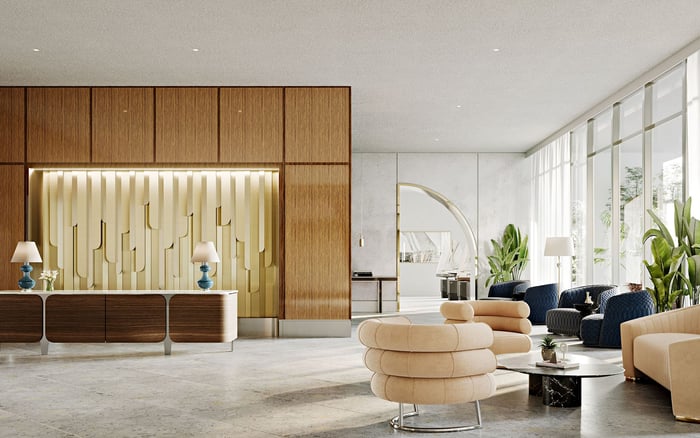
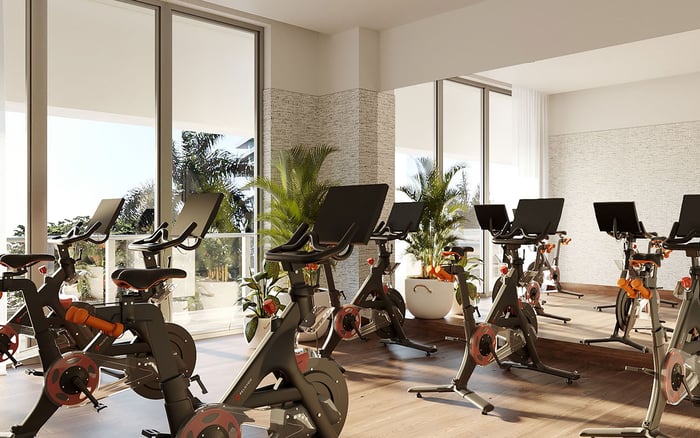
At Mr. C Tigertail, the quality of the wellness offering depends not only on design, but on the operating rules that determine access, availability, fees, and resident priority.
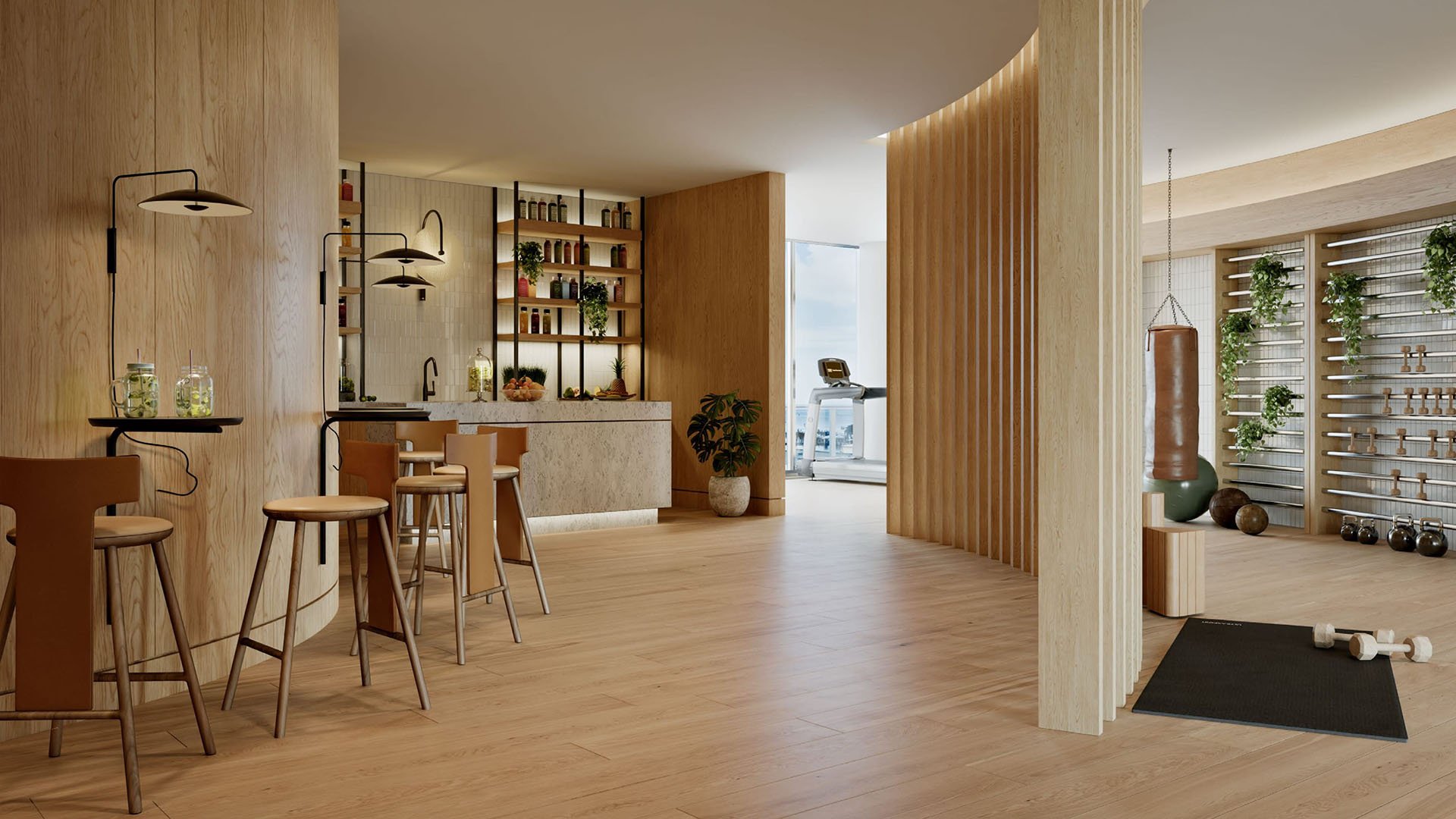
At Mr. C Tigertail Coconut Grove, the rooftop pool, garden-level lap pool, fitness studios, spa, sauna, and steam facilities create a compelling resort-style proposition. Yet buyers are not acquiring a private wellness club. These are shared residential assets, and their practical value depends on capacity, reservation systems, guest privileges, staffing, and enforcement.
The 21-story tower contains 134 residences at 2678 Tigertail Avenue. That finite owner population may sound manageable, but actual demand expands as residents bring guests, trainers lead scheduled classes, cabanas are reserved, and social gatherings concentrate traffic around the pools. Use may peak on weekends, holidays, and at the most desirable class times.
A beautiful amenity becomes valuable only when residents can use it predictably.
This inquiry belongs squarely in Buyer's Guides rather than being treated as a tour-day detail. The relevant question is not simply whether an amenity exists, but whether its rules protect a resident's ability to use it with reasonable consistency.
Tigertail offers two distinct aquatic environments. The secluded rooftop setting includes a pool, bar, lounge, sundeck, food-and-beverage service, and complimentary towel service. At garden level, the program includes a lap pool, cabanas, a poolside bar, an open-air lounge, food-and-beverage service, and towel service.
Each setting can have a different demand pattern and should be evaluated independently. Request current counts of loungers, cabanas, and lap lanes, then compare them with stated occupancy limits. Confirm operating hours, whether seats can be held, how long unattended belongings may remain, and whether cabanas require reservations, fees, gratuities, or minimum spending.
The rooftop pool is designated as exclusive to Tigertail Tower, but “exclusive” needs a written definition. Tower affiliation alone does not answer whether residents may bring guests, private events can displace normal use, or owners in the separate Bayshore tower have access. Buyers should request an amenity schedule identifying which spaces belong solely to Tigertail and which, if any, are shared.
This scrutiny is equally relevant when comparing established Coconut Grove options such as Park Grove Coconut Grove. The meaningful comparison is not the length of an amenity list, but the relationship among residence count, physical capacity, access rules, and service standards.
The fitness offering includes a fully equipped center, indoor yoga, Pilates, Peloton, personal trainers, and specialty classes. Scheduled instruction makes capacity visible in a way an open gym floor may not. A studio can be beautifully appointed yet still disappoint when preferred classes are consistently full.
Request the number of places available for each recurring format. Then determine how far in advance residents may book, whether every residence receives the same priority, when waitlists clear, and what happens after a late cancellation or no-show. Buyers who employ personal trainers should also verify trainer approval procedures, insurance requirements, access credentials, permissible hours, and any facility charges.
If a resident app is offered, buyers should request a live demonstration or screenshots showing whether it controls fitness classes, spa appointments, cabanas, and waitlists. A concierge may assist with reservations and guest registration, but the condominium documents should define the concierge's authority to enforce policy.
For purchasers comparing newer Grove offerings, The Well Coconut Grove and Four Seasons Residences Coconut Grove provide useful prompts for examining how different branded residences translate wellness positioning into daily operations. No brand name substitutes for written procedures.
Tigertail's signature spa includes sauna and steam facilities, while spa services form part of the broader resort-style ownership proposition. The essential diligence begins with the operator. Determine whether spa personnel are employees, association contractors, or an outside provider, and identify who sets the hours, treatment menus, prices, gratuities, and cancellation terms.
Ask how many treatment rooms exist and whether appointments are reserved for residents. If guests may book, establish whether a resident must accompany them and whether guest appointments receive the same booking window. Buyers should also distinguish included access to shared sauna and steam areas from paid treatments and other separately charged services.
Because Tigertail has no hotel component, hotel-like service does not mean hotel economics or hotel operating procedures apply. Residential budgets, management agreements, common charges, and separately assessed fees support the experience. Buyers should rely on Tigertail's governing documents and current written policies when evaluating access and costs.
Guest policy is not a minor social provision; it determines the effective user population. Request the allowance per residence, registration method, accompaniment requirement, holiday restrictions, and rules for children, caregivers, trainers, tenants, and other occupants. Confirm whether short-term occupants, where permitted under the governing documents, receive the same amenity privileges as owners.
Private events deserve separate attention. Tigertail also includes an event lounge, billiards lounge, conference room, Little C kids club, business lounge, library, playroom, screening room, club room, and poolside gathering areas. Evening and weekend functions can affect elevators, concierge workload, parking, noise, and nearby wellness spaces even when the pool itself is not formally reserved.
A credible rule set should define reservation lead times, deposits, cleanup fees, quiet hours, guest limits, closures, and resident notice. It should also state whether management may suspend normal access for maintenance or private functions-and how frequently that has occurred.
Amenity marketing establishes intent, not guaranteed availability. Before buying, review the declaration, rules and regulations, current budget, management agreements, and all written pool, spa, fitness, cabana, event, and guest policies. Request the most current versions, as operational rules can evolve.
Request recent board and management records addressing overcrowding, unavailable classes, pool seating, guest enforcement, amenity downtime, equipment repairs, and staffing changes. Determine which expenses are included in common charges and which require separate fees, memberships, gratuities, or minimum spending. A resident-focused policy should also explain maintenance closures and communication procedures.
For a lifestyle purchase, these details connect directly to value. Buyers may admire the rooftop view during a private showing, but ownership is experienced at 8 a.m. in the Pilates studio, on a holiday afternoon beside the pool, and when visiting family asks to use the spa. The strongest answer is a documented operating system that remains workable during peak demand.
At Tigertail, due diligence should convert every wellness promise into five practical answers: who may enter, how many people fit, when access is available, how reservations work, and what it costs. If a rule matters to the purchase decision, obtain it in writing rather than relying on a verbal description.
This framework also helps buyers compare Opus Coconut Grove or other local residences without reducing the decision to amenity count alone. Capacity and governance reveal whether a polished shared space can support the rhythm of actual ownership.
For discreet guidance on evaluating South Florida residences and their operating details, connect with MILLION.
If branded residences are on your mind — as a home or as an allocation — we would be glad to share what we are seeing, privately.
Begin a quiet conversationMr. C Tigertail is a 134-residence tower. Actual amenity demand can also include permitted guests and other authorized users.
Yes. It has a secluded rooftop pool setting and a separate garden-level area with a lap pool and cabanas.
It is described as exclusive to Tigertail Tower, but buyers should obtain a written definition covering guests, events, and possible access by Bayshore owners.
Confirm occupancy limits, lounger and cabana counts, lap lanes, hours, guest allowances, seating rules, reservations, fees, and event closures.
Ask about class capacity, advance-booking windows, waitlists, cancellation penalties, no-show rules, and resident priority.
Yes. If a resident app is offered, buyers should confirm whether it manages classes, spa treatments, cabanas, and waitlists.
Identify the operator, treatment-room count, appointment process, service pricing, cancellation terms, and whether permitted guests may book.
No. Its hotel-like services operate within a residential structure, so budgets, management agreements, fees, and condominium policies are especially important.
Buyers should request a written schedule identifying amenities exclusive to Tigertail and any spaces shared with Bayshore.
Review the declaration, rules and regulations, current budget, management agreements, written amenity policies, and recent board or management records.