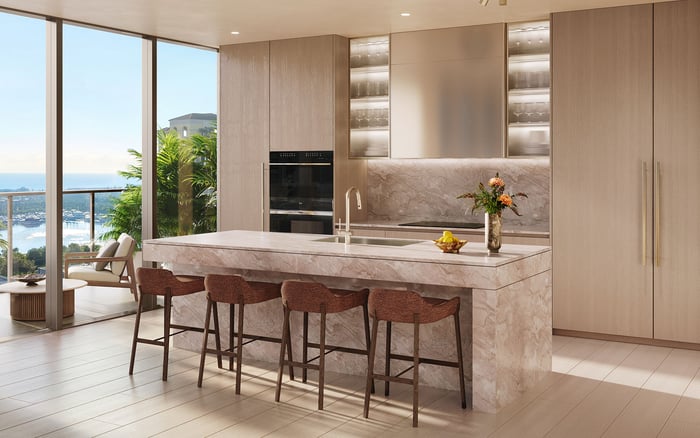
At Mr. C Residences West Palm Beach, disciplined due diligence means separating acquisition price from replacement costs, testing inflation assumptions, and tracing reserve contributions to the obligations of the specific residence.
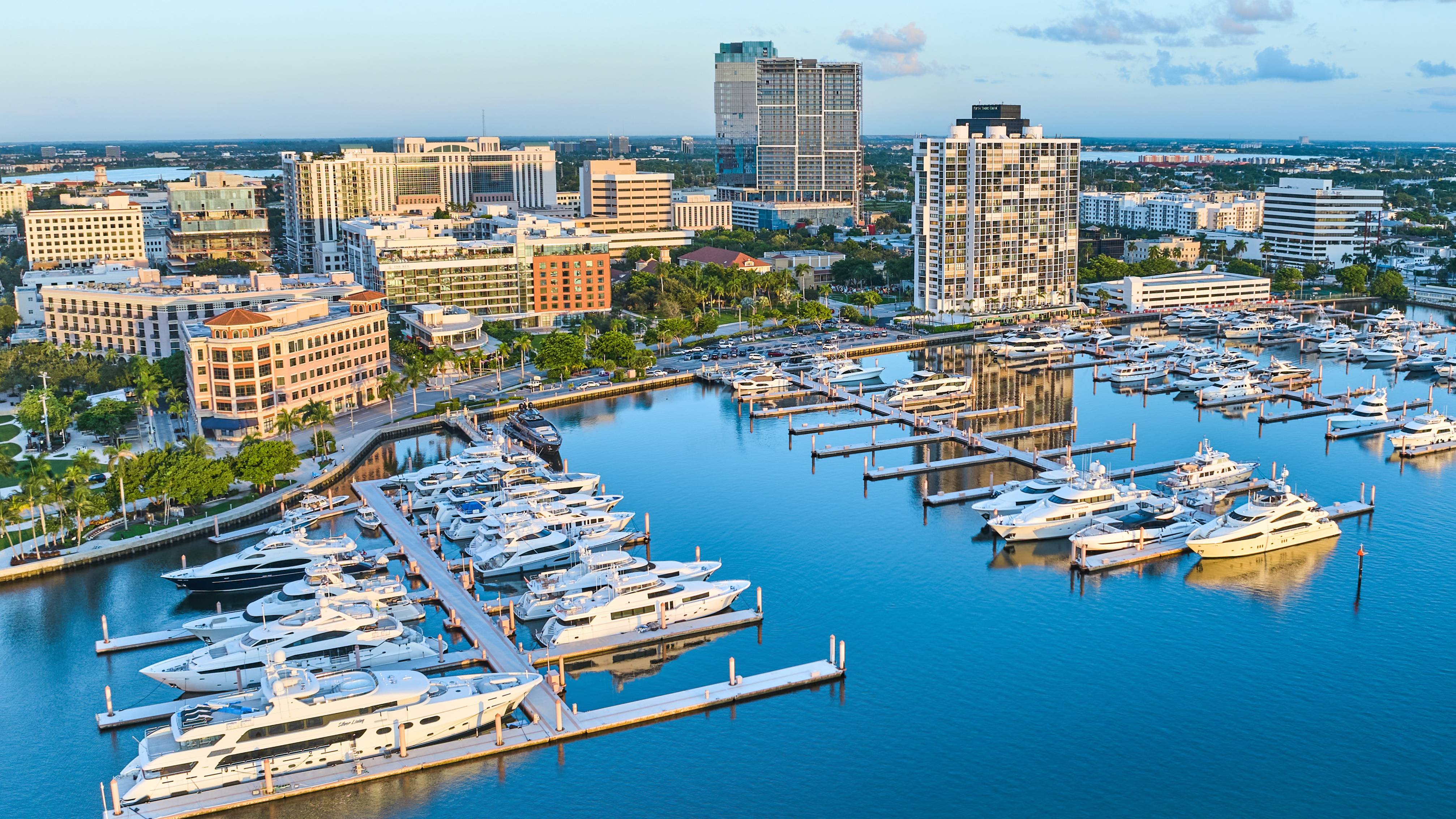
The appeal of Mr. C Residences West Palm Beach merits consideration alongside a less visible aspect of ownership: the financial plan for maintaining the building over time. For a buyer evaluating a substantial acquisition, the reserve schedule deserves the same scrutiny as the purchase agreement.
Three figures must remain distinct: the price paid for the residence, the cost of operating the condominium, and the future cost of replacing its major components. A high purchase price does not demonstrate adequate reserves. Nor does an attractive initial monthly assessment establish that future capital needs have been fully anticipated.
The question is not whether the building is expensive enough to be well funded. It is whether the funding assumptions are documented, appropriately allocated, and responsive to the costs they are intended to cover. Neither advertised pricing nor a fee estimate establishes a project-specific reserve shortfall.
Advertised residence prices vary: one range spans $1.4 million to $5.7 million; another begins at $1.6 million and extends beyond $6 million. These are asking-price indications, not evidence of executed purchase agreements.
For acquisition planning, actual contract pricing means the price and financial obligations in the buyer’s signed agreement, including applicable amendments. Those terms establish the buyer’s commitment-not what the association will eventually pay for waterproofing, electrical work, or roof replacement.
For reserve analysis, the relevant figures are contractor prices for the work being funded. Ask whether replacement estimates rely on current, scope-specific bids, executed work contracts where available, or planning estimates. Then examine the date, scope, and exclusions behind each figure. A firm price for a defined scope is not a guaranteed price for different work years later.
The same distinction applies when comparing Alba West Palm Beach: assess acquisition commitments separately from each property’s documented operating and capital obligations. Purchase price should not stand in for financial resilience.
One advertised deposit structure calls for 20% at contract, 10% at groundbreaking, 10% six months after groundbreaking, and 10% at top-off. Those stages total 50% of the purchase price. The executed agreement-not an advertised schedule-should establish the buyer-specific obligations.
The projected 2027 completion is likewise a marketing expectation, not a verified contractual delivery deadline. Review delivery provisions, deposit milestones, and ownership-cost projections together when assessing liquidity.
Build two parallel schedules: one for acquisition payments and another for projected ownership expenses. Identify the date of the proposed condominium budget and ask which assumptions would need updating before occupancy. Otherwise, an early estimate and a later purchase contract can appear aligned while reflecting different cost environments.
Estimated condominium fees have been advertised at approximately $2.19 per square foot per month. The advertised description includes administration, staffing, utilities, insurance, maintenance, third-party vendor contracts, and reserves.
That description is not a reserve funding analysis. “Reserves included” identifies neither the contribution amount nor the components being funded, and says nothing about the assumptions supporting future costs. It also does not establish that the advertised estimate will be the assessment charged to a particular residence.
Request the proposed budget with operating expenses and reserve contributions separately identified. Trace the recommended annual reserve amount into the budget, then the residence’s share through the applicable assessment allocation. Request an explanation for any differences between the study recommendation and the budget.
For buyers also considering Forté on Flagler West Palm Beach, the comparison should extend beyond the quoted monthly fee to what it funds and how the unit’s share is determined. Do not assume equivalent reserve positions between properties.
A reserve schedule connects an estimated expenditure to a future date. The central inflation question is whether the replacement figure represents today’s dollars or the dollars expected to be spent when the work occurs.
Ask the preparer to identify each major component’s estimate base date, escalation assumptions, and expected replacement year. Inflation treatment should extend through the relevant replacement date, not stop at building delivery. Also check that an already escalated estimate has not been escalated a second time.
Review the underlying scope as carefully as the rate. Broad Florida homebuilding costs are not verified replacement costs for this particular tower. Ask whether the estimate addresses the work’s relevant access requirements, removal, installation, and professional costs. Do not assume a general construction benchmark captures everything.
Finally, request a sensitivity analysis showing how recommended contributions respond to higher replacement costs or earlier expenditure dates. This is a planning test-not a prediction that costs will rise at a particular rate or that a special assessment will occur.
The residential offering is advertised as 57 Resort Residences and 89 Tower Residences. Tower Residences are marketed as unfurnished, on floors 9-20, with a six-month minimum rental term. These distinctions make unit-specific document review more useful than a single project-wide fee description.
Read the condominium declaration and applicable schedules to establish which costs belong to the residential association, which may be shared with hotel operations, and how the specific unit participates. Ask whether separate agreements create additional maintenance or replacement obligations. Do not assume that different residence categories carry identical responsibilities.
Florida’s Structural Integrity Reserve Study requirements provide an important framework. For qualifying condominium buildings with three or more habitable stories, a SIRS is required at least every 10 years. It must identify inspected components, estimate remaining useful lives and replacement costs or deferred-maintenance expenses, and provide a funding plan with a recommended annual reserve amount.
Covered categories include roofs, load-bearing structural components, fireproofing and fire protection, plumbing, electrical systems, waterproofing, and windows and exterior doors. Have counsel confirm this new development’s applicable timing and exceptions rather than applying older associations’ initial deadlines.
Read the purchase agreement, deposit schedule, proposed budget, reserve study or SIRS as applicable, declaration, and unit-specific allocation as one package. Where figures differ, seek a written reconciliation before relying on them.
The objective is not certainty about every future expense. It is a clear account of what you are buying, what you must fund, and how the capital plan responds as costs change.
For a discreet perspective on your South Florida purchase, connect with MILLION.
If branded residences are on your mind — as a home or as an allocation — we would be glad to share what we are seeing, privately.
Begin a quiet conversationNo. The purchase price establishes acquisition cost, while reserve adequacy depends on replacement-cost assumptions, timing, allocations, and planned funding.
The signed purchase agreement establishes the buyer’s acquisition commitment. Contractor bids and work contracts inform the costs of the replacement work that reserves are intended to fund.
The advertised estimate is approximately $2.19 per square foot per month. It does not establish the final assessment or the amount allocated to reserves for a specific residence.
No. That phrase does not disclose the contribution amount, funded components, escalation assumptions, or whether the funding plan meets projected needs.
Identify whether costs are expressed in current or future dollars, then check the escalation assumptions through each component’s expected replacement date. Avoid applying escalation twice to the same estimate.
A SIRS identifies inspected components, estimates remaining useful lives and replacement costs or deferred-maintenance expenses, and provides a reserve funding plan with a recommended annual amount.
Florida requires a SIRS at least every 10 years for qualifying condominium buildings with three or more habitable stories. Counsel should confirm the new development’s applicable timing and exceptions.
Review the executed purchase agreement, deposit schedule, proposed budget, reserve study or SIRS as applicable, condominium declaration, and unit-specific assessment allocation.
The advertised 2027 completion is a marketing projection, not a verified contractual deadline. Review the executed agreement for the buyer’s delivery provisions.
No. Advertised prices and fee estimates do not establish a project-specific reserve shortfall; that assessment requires the relevant funding documents and cost assumptions.