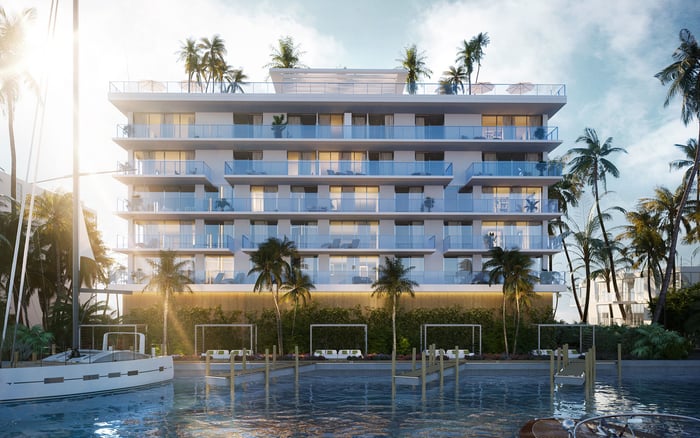
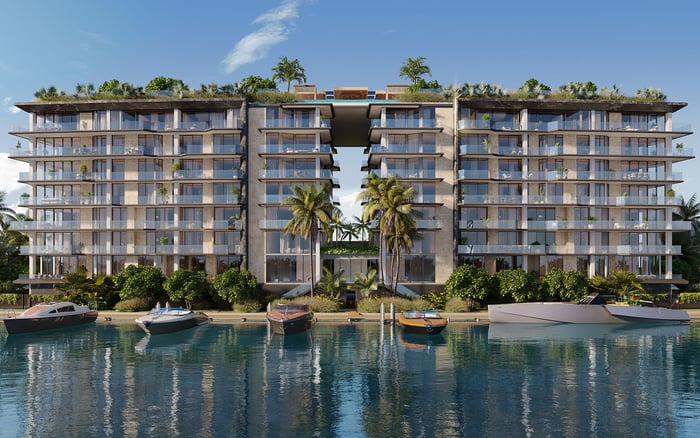
For families considering Mila as a school-year home, operational resilience deserves the same scrutiny as layout and design. The building's nine-residence scale sharpens questions about emergency power, staff hours, access protocols, budgets and after-hours response.
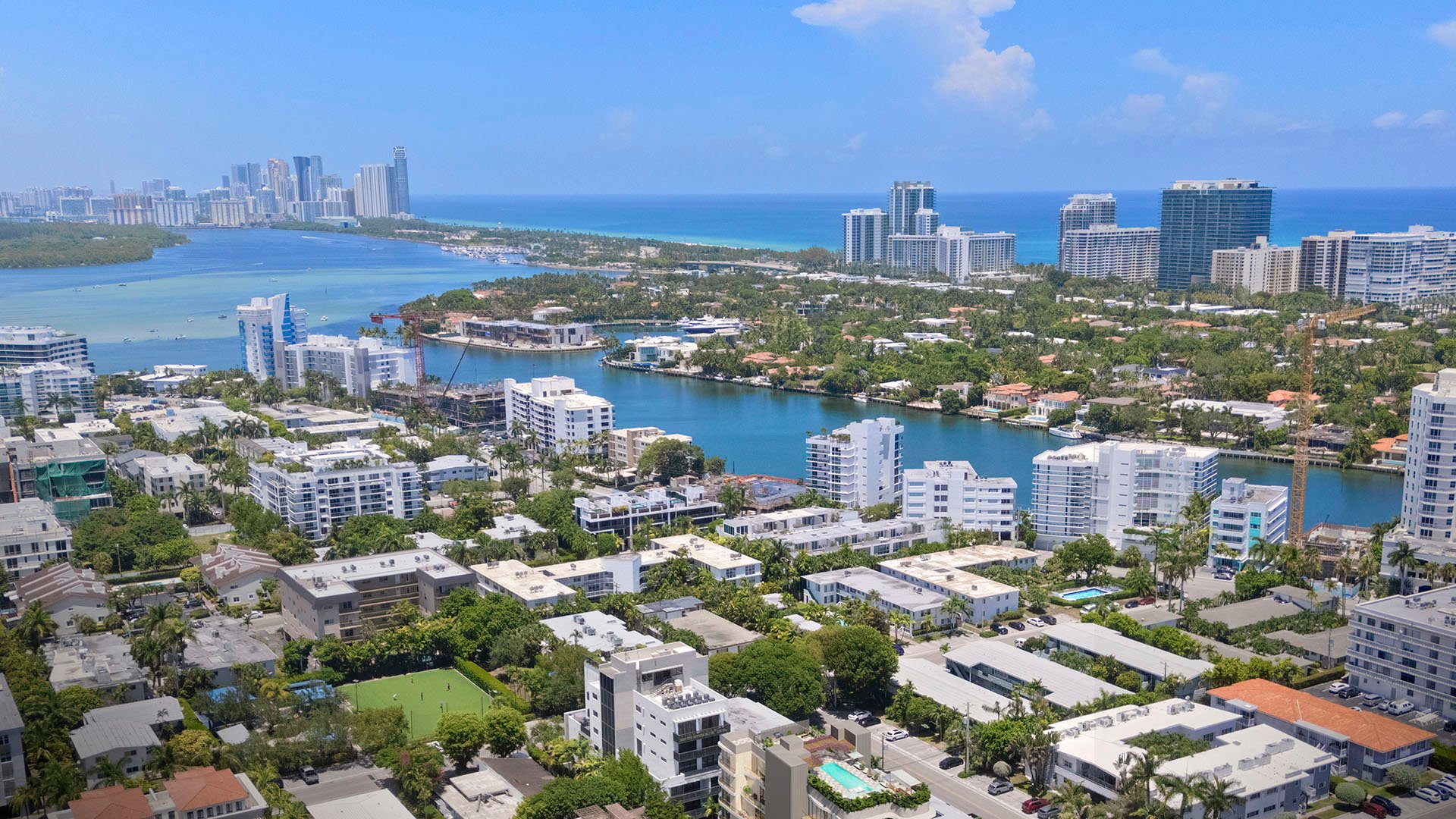
The appeal of Mila Bay Harbor Islands begins with intimacy. With only nine residences, this boutique condominium presents a fundamentally different ownership proposition from a large luxury tower. The offering includes three-bedroom layouts, private balconies and smart-home options, as well as full-floor, full-through homes of roughly 2,100 to 3,900 square feet with private elevator entry, impact glass and expansive waterfront terraces.
That scale can deliver discretion, but it also changes how services are funded and delivered. Generator maintenance, vendor contracts and expanded staff coverage are divided among a small ownership base. A buyer planning to live at Mila throughout the academic year should therefore examine the operating model with particular care rather than treating privacy as a substitute for infrastructure.
School-year residence raises the practical cost of even a brief building interruption.
A seasonal owner may tolerate a delayed repair differently from a family coordinating classes, work, caregivers and household staff every weekday. During regular occupancy, elevators, vehicle access, communications, water service and prompt maintenance become part of the home's daily architecture.
Families should consider how the residence supports weekday departures, arrivals, caregiver access and after-hours needs. School proximity alone does not establish enrollment eligibility, so buyers should independently confirm current attendance boundaries and requirements.
Mila's features include covered parking, elevator access, a private rooftop deck, a skyline pool and solarium, a fitness and garden sanctuary, a rooftop summer kitchen, a secure lobby and smart access. The available property details do not specify whether the building has a generator or which systems would receive emergency power.
The correct diligence question is not simply, “Is there a generator?” A buyer should request a written emergency-power schedule identifying every supported elevator, pump, access control, light, cooling function and amenity system. That schedule should also state expected runtime, load limitations, transfer method, testing frequency and refueling responsibility.
This distinction matters because partial support can preserve life-safety functions without maintaining normal household operations. Buyers should ask what happens at the residence entry, garage, lobby and water system during an outage, and whether any manual procedures are required. Marketing language should never be used to infer electrical capacity.
In a nine-home condominium, resilience is both a technical and financial question. Review the proposed operating budget, reserve assumptions, generator maintenance allocation, service agreements and insurance-related obligations. Determine whether recurring testing, fuel management and emergency vendor charges are included or treated as irregular expenses.
This is the central distinction for a buyer's guide to new-construction ownership: a polished amenity program describes the experience when systems are functioning, while the budget reveals how continuity is expected to be funded. Buyers should also determine how future upgrades or expanded staff hours could affect assessments when costs are shared among only nine residences.
No single expense line answers the question. The objective is to determine whether the electrical plan, management structure, contracts and reserves tell a consistent story.
The available property details do not include a staffing roster, on-site hours or an after-hours response standard. Families should request the actual coverage calendar and test it against their routines. Is a building representative present during early school-run hours? Does coverage change on weekends, holidays or during periods of lower occupancy? Who responds if an elevator, gate or garage fails before normal business hours?
The same standard applies when comparing nearby options such as Onda Bay Harbor. The relevant issue is not staff headcount in isolation, but whether scheduled coverage, remote monitoring and vendor-response commitments align with the household's actual timetable.
Buyers should obtain a written escalation protocol for elevator failures, leaks, access problems, security calls and other incidents. It should identify the first contact, the backup contact, expected response steps and the point at which an outside vendor is dispatched.
Private elevator entry, a secure lobby and smart access can enhance privacy while making credential management more important. A school-year household may include drivers, caregivers, tutors, housekeepers and recurring vendors. Each needs an appropriate route and level of access without weakening resident security.
Before contract, confirm how credentials are issued, changed and revoked; whether temporary permissions are available; and what happens when smart access loses power or connectivity. Covered parking and elevator access may support household operations, but the condominium documents should clarify staff parking rights, delivery paths, elevator-use rules and guest registration.
A buyer considering Alana Bay Harbor Islands alongside Mila can use the same household-access map for each property. Walk through an ordinary weekday, from an early departure to an evening tutor visit, then repeat the exercise for an outage or after-hours incident.
Waterfront living and a generous terrace can define the emotional case for a residence, but school-year ownership is judged equally by uneventful mornings. At Mila, expansive waterfront terraces, private elevator entry and boutique-style privacy should be considered alongside the less visible systems that support daily life.
The same discipline applies when reviewing La Baia North Bay Harbor Islands or extending a search toward Bal Harbour and Rivage Bal Harbour. These references are not substitutes for project-specific diligence. They reinforce the need to compare written power schedules, staffing calendars, access protocols and budget assumptions on equivalent terms.
For Mila, the prudent pre-purchase file includes generator specifications, if applicable; electrical plans; testing logs; the fuel plan; management agreements; service contracts; the on-site and after-hours staffing calendar; vendor-response commitments; and the emergency contact tree. The essential point is simple: school-year residence increases the practical cost of downtime, so resilience should be verified before purchase rather than inferred from luxury positioning.
For confidential guidance on evaluating South Florida residences for full-time family life, consult MILLION.
If branded residences are on your mind — as a home or as an allocation — we would be glad to share what we are seeing, privately.
Begin a quiet conversationMila is presented as a boutique condominium with only nine residences.
Daily routines make elevator, vehicle access, water, communications and prompt maintenance more consequential than they may be for occasional use.
The available property details do not specify whether Mila has a generator or define an emergency-power scope.
It should identify supported systems, runtime, load limits, transfer method, testing frequency and refueling responsibility.
Buyers should ask about elevators, pumps, access controls, lighting, cooling, water-related functions and amenity systems.
The available property details do not provide a staffing roster, on-site coverage hours or an after-hours response standard.
Verify early-morning, weekend, holiday and low-occupancy coverage, along with the after-hours escalation process.
Generator maintenance, service contracts and expanded coverage would be shared across a small nine-residence ownership base.
Confirm credentialing, staff parking, delivery routes, elevator rules, guest registration and procedures during power or connectivity loss.
No. Buyers should independently confirm current attendance boundaries and eligibility requirements.