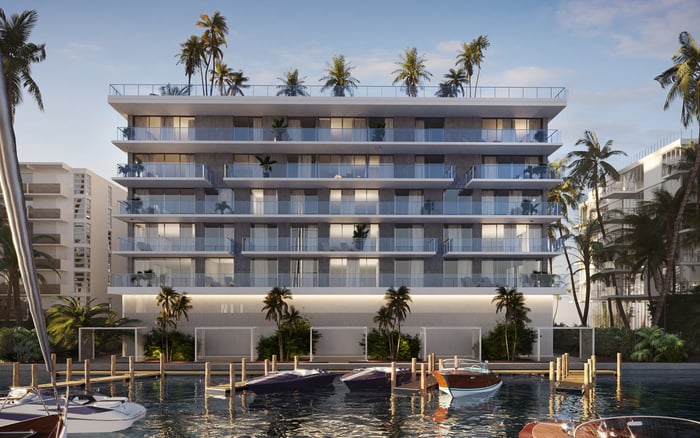
For a preconstruction buyer, the purchase agreement determines how timing risk is allocated. This guide explains how to assess outside dates, extensions, force majeure, liquidated damages, cancellation rights, and post-closing claim provisions before buying at La Maré Bay Harbor Islands.
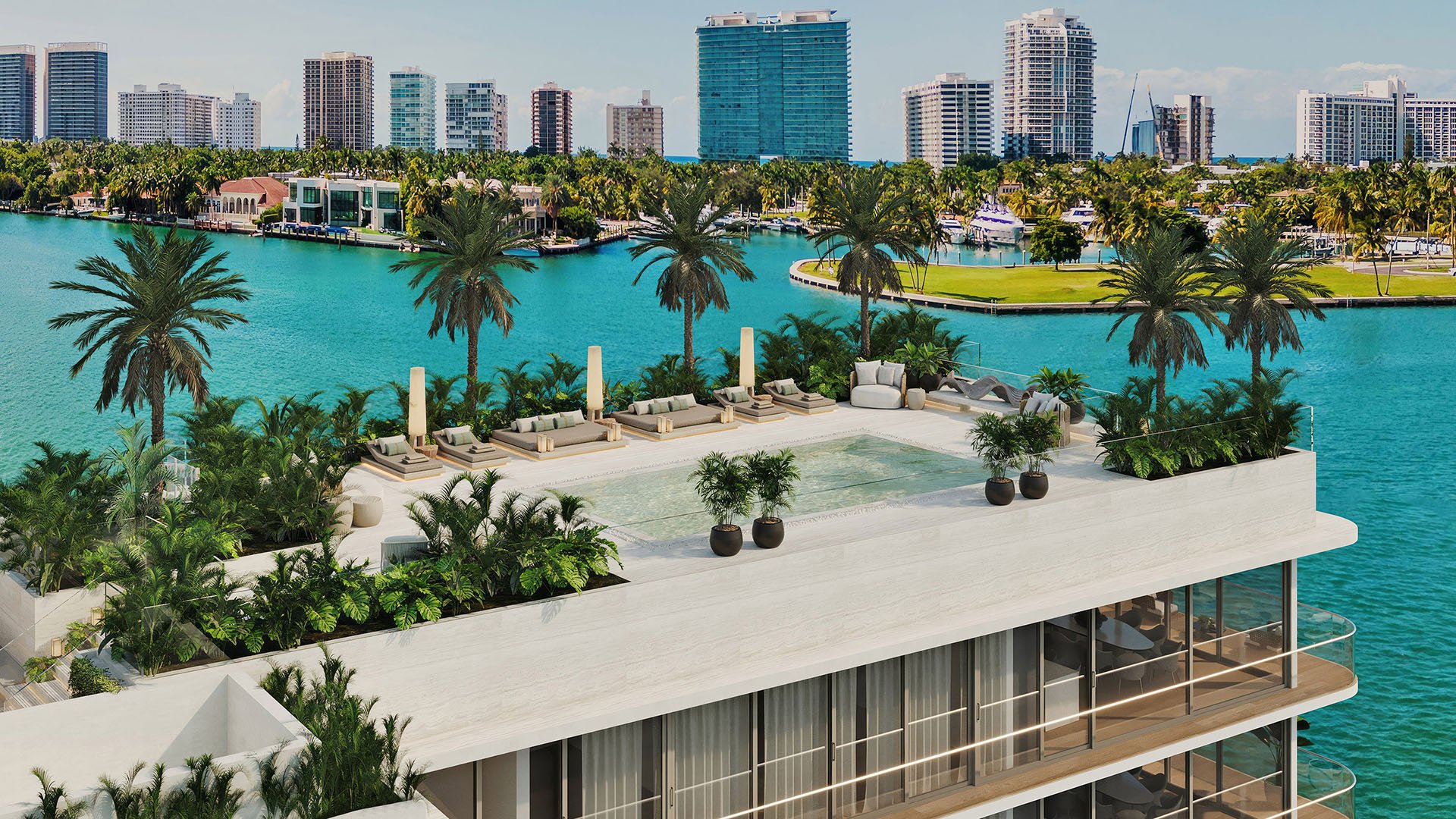
At La Maré Bay Harbor Islands, a preconstruction buyer should treat the purchase agreement and offering documents as the controlling sources for timing, extensions, default, and remedies. Marketing schedules may provide context, but buyers should verify which dates are binding and what consequences follow if performance is delayed.
This analysis does not assume that La Maré’s agreement contains any particular deadline, remedy, or force-majeure wording. The operative documents must be reviewed together. The objective is to identify how construction risk is allocated, determine whether that allocation is acceptable, and resolve ambiguities before signing.
An initial contract-review or cancellation provision should not be confused with a continuing right to exit because completion is delayed. Buyers should ask counsel to identify every cancellation right, the event that activates it, the required form of notice, and the deadline for exercising it.
Once an initial review period ends, the agreement’s completion provisions may become the primary measure of the parties’ rights. That makes it important to understand how the contract defines completion, when the developer may call for closing, and whether incomplete amenities or common areas affect the buyer’s obligations.
The same review discipline is useful when comparing Alana Bay Harbor Islands with other South Florida preconstruction opportunities. A buyer should evaluate the written allocation of timing risk rather than rely on an estimated delivery schedule alone.
A target date and a final contractual deadline do not necessarily serve the same purpose. Buyers should locate the latest date by which the agreement requires the relevant performance after permitted extensions and then identify the remedy available if that endpoint passes.
Extension mechanics deserve separate scrutiny. Counsel should determine which events permit additional time, whether multiple extensions can overlap or accumulate, whether notice is required, and whether the agreement places an objective limit on duration. A stated outside date offers less certainty when extension rights are unclear or open-ended.
When considering The Well Bay Harbor Islands alongside other new-construction choices, buyers should compare contractual milestones as carefully as design and amenities. The central question is when the buyer may act if the required milestone is not achieved.
Force-majeure language should be reviewed clause by clause. Buyers should identify the listed events, any catch-all wording, the required relationship between an event and the claimed delay, and any obligation to provide notice or supporting information.
Duration also matters. The agreement should be examined to determine how additional time is calculated, whether updates are required, whether mitigation is addressed, and how a continuing event affects the outside date. These details show whether the clause responds to a defined disruption or grants broader timing discretion.
The force-majeure provision must also be read with the default and remedy sections. If an excused delay moves the completion deadline, that change may affect when a buyer remedy becomes available or when contractual damages begin to accrue.
A reference to liquidated damages does not answer who receives them, what event triggers them, or whether they are the exclusive remedy. A purchaser should confirm that any buyer-facing compensation appears in the purchase agreement and is tied to a clearly defined breach or period of unexcused delay.
The calculation method also requires attention. Buyers should review the start date, payment frequency, cap, exclusions, and interaction with permitted extensions. They should also determine whether accepting liquidated damages waives termination, deposit-return, or other contractual rights.
Project-level arrangements involving contractors should not be treated as a substitute for an express purchaser remedy. This distinction remains relevant when evaluating luxury preconstruction elsewhere in Miami-Dade, including Rivage Bal Harbour.
The purchase agreement should be read alongside every document incorporated into it. Defined terms such as completion, substantial completion, closing readiness, common elements, and amenities should be compared for consistency and for their effect on the buyer’s duties.
Counsel should also review survival clauses, releases, waivers, notice requirements, dispute procedures, and any limits on claims after closing. The objective is to understand which rights continue, which may end at closing, and what procedural steps are required to preserve them.
Before signing, a buyer should seek clarity on the controlling deadline, permitted extensions, force-majeure standards, notice requirements, and remedies for prolonged unexcused delay. Protection comes from a coherent set of provisions rather than one favorable sentence read in isolation.
Does an initial cancellation right automatically cover a later construction delay? Not necessarily. The contract should be reviewed to determine which events permit cancellation and when that right expires.
What is an outside completion date? It is the agreement’s final deadline for the specified performance after any permitted extensions are applied.
Can the completion deadline be extended? The answer depends on the agreement. Review the permitted grounds, notice process, calculation method, and any aggregate limit.
Why does force-majeure wording matter? Its wording determines which events may excuse performance and how those events affect contractual timing.
Should a force-majeure claim be connected to the actual delay? Buyers should examine whether the agreement requires a documented causal connection and supporting notice.
Do liquidated damages always begin when a projected date passes? No. The contract may use a different trigger or postpone accrual while a permitted extension remains in effect.
Do contractor-level damages automatically compensate a condominium buyer? They should not be assumed to do so. Any purchaser remedy should be identified in the buyer’s operative documents.
What remedies can address prolonged unexcused delay? Depending on the negotiated agreement, remedies may include termination, return of the deposit, compensation, or a defined combination.
Should amenity delivery be reviewed separately from residence completion? Yes. The documents may define residence completion, closing readiness, common elements, and amenity delivery as different milestones.
Can contractual rights continue after closing? Some provisions may survive closing while others may be waived or limited, so the survival and release language requires careful review.
For a confidential assessment and a building-by-building shortlist, connect with MILLION.
If branded residences are on your mind — as a home or as an allocation — we would be glad to share what we are seeing, privately.
Begin a quiet conversation