A discreet due-diligence guide for luxury buyers verifying whether advertised beach access in Hallandale Beach is recorded, transferable, usable, and aligned with title, survey, condominium, and coastal restrictions.
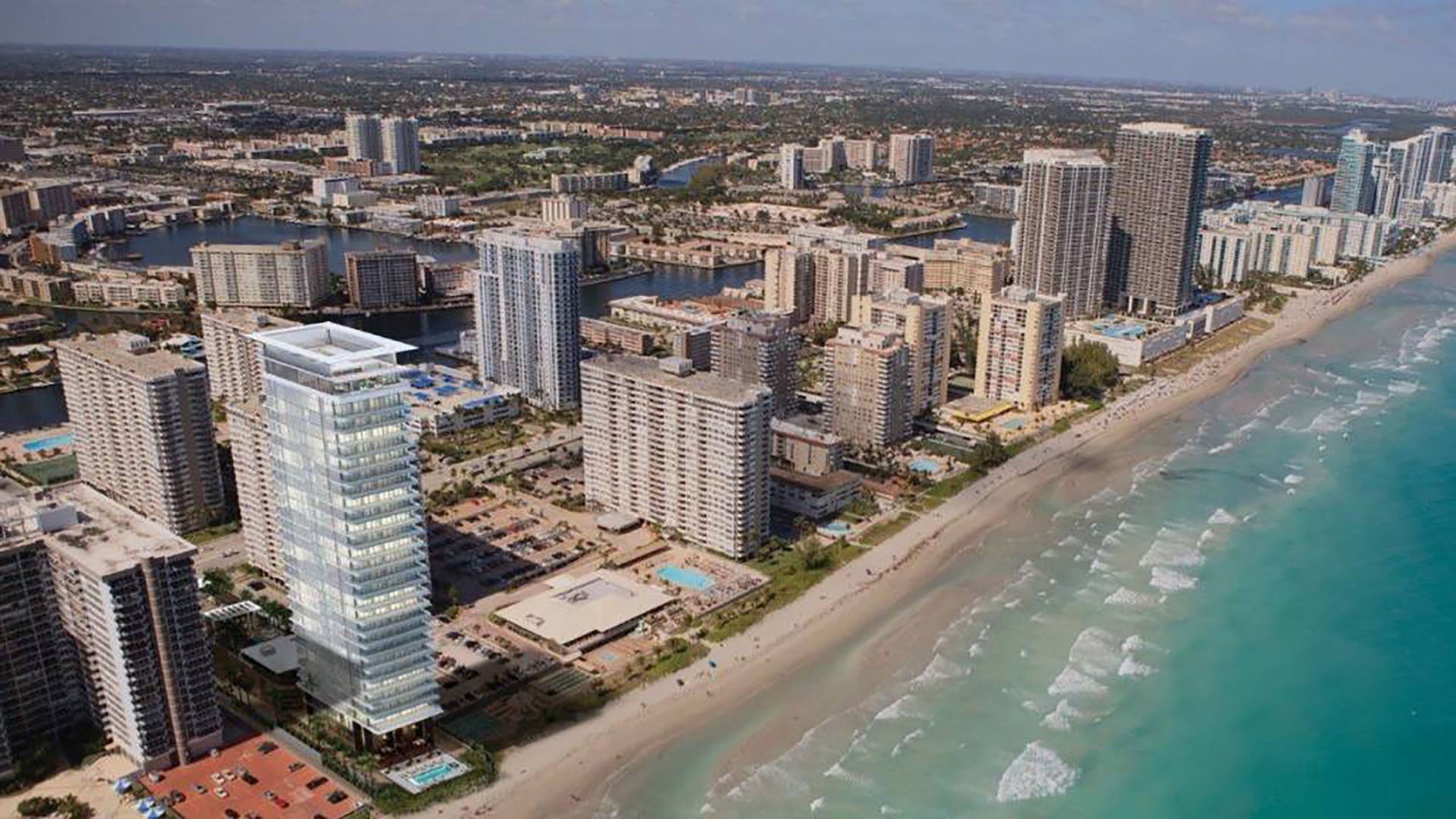
In Hallandale Beach, “beach access” carries more weight than a lifestyle phrase. For a luxury buyer, it should be tested as a legal property right, with clear answers on whether access is created by a recorded easement, condominium declaration, deeded right, club agreement, or revocable license. The distinction is not academic. It can determine whether the right transfers with the residence, who may use it, and whether future owners can rely on it.
That discipline matters whether a buyer is reviewing an oceanfront condominium, a private club-oriented property, or a coastal residence near the sand. Buyers considering 2000 Ocean Hallandale Beach, for example, should separate the elegance of the setting from the legal mechanics of access, ownership, and use. The same principle applies across Broward: beauty may open the conversation, but recorded rights close it.
The first step is to identify the exact parcel, folio number, legal description, and ownership structure. County property records can establish the starting point, but they are only the beginning. The real inquiry follows the legal description through recorded deeds, plats, easements, condominium declarations, amendments, and related instruments.
Luxury buyers should ask a simple question early: where, exactly, is the document that creates the claimed access? If the answer is a sales brochure, a building tradition, or a conversation with management, the right still needs verification. Recording is important in Florida because unrecorded conveyances can be vulnerable against creditors or later purchasers without notice. A right that is not properly recorded or otherwise enforceable may be less durable than it appears.
The strongest access claims are often appurtenant to the benefited property, meaning they run with the land rather than depend on a particular owner. A personal license, by contrast, may be revocable or may not automatically transfer to a future purchaser. “Beach club access” can be especially nuanced. It may involve a membership, a privilege, an operating agreement, or a separate approval process, none of which should be assumed to equal a deeded real-property easement.
For Hallandale buyers evaluating resort-style living at Shell Bay by Auberge Hallandale, the practical question is not whether the beach experience sounds private. It is whether the governing documents clearly state who receives the right, what is included, how the right transfers, and whether it can be modified, suspended, charged with fees, relocated, or terminated.
A title commitment is not merely a closing formality. Schedule B exceptions should be reviewed for easements, covenants, association documents, use restrictions, encroachments, and rights reserved to third parties. These exceptions may reveal that a beach pathway exists, that another party holds rights across the property, or that access is conditioned by older documents.
Older coastal rights deserve particular care. Florida’s Marketable Record Title Act can affect long-standing recorded interests, so counsel should evaluate whether older easements or restrictions remain valid and preserved. In high-value coastal transactions, this is not a box-checking exercise. It is risk allocation, price protection, and future resale discipline.
A recorded easement is only as useful as its relationship to the real world. The survey should be compared with the easement language to confirm the location of the access corridor, its width, its connection to the benefited property, and any physical interference. Fences, gates, dune restoration, neighboring improvements, decks, landscaping, or beach-service structures may affect how the right functions day to day.
The legal boundary between privately controlled dry sand and lands below the mean high-water line also matters. In Florida, the mean high-water line is defined as the intersection of the tidal plane of mean high water with the shore. For buyers, that boundary can shape expectations around private use, public-trust principles, and the practical limits of control at the water’s edge.
For condominium purchasers, the declaration, bylaws, rules, amendments, and association records are essential. Beach access may be a unit right, a common-element right, a limited common element, a club privilege, or a separate agreement. Each category has different implications for exclusivity, transferability, maintenance costs, guest usage, rental occupants, and enforcement.
A condominium estoppel certificate can confirm assessments and association obligations, but it should not replace review of the recorded documents that create or limit access. Buyers should also determine whether tenants, guests, family members, staff, beach vendors, pets, carts, cabanas, umbrellas, vehicles, food service, or maintenance crews are included or excluded. In a luxury context, those details often define the actual ownership experience.
Beachside improvements are not governed only by private documents. Dune crossings, seawalls, decks, beach paths, and other improvements may implicate Florida’s coastal construction control framework, particularly where work occurs seaward of established control lines. Hallandale Beach land-development rules should also be reviewed for local restrictions affecting access points, gates, signage, parking, dune protection, and coastal improvements.
This is why buyers often benchmark diligence across comparable coastal markets. A purchaser comparing Hallandale with Auberge Beach Residences & Spa Fort Lauderdale and Rosewood Residences Hillsboro Beach should not assume that beach-access language functions identically from one property to another. Every right depends on its recorded documents, survey context, and local conditions.
The safest approach is coordinated review before closing by a Florida real-estate attorney, title agent, and surveyor. The attorney interprets the instruments, the title team identifies exceptions and recorded interests, and the surveyor tests whether the legal access corresponds to the physical site. Together, they can clarify whether “private beach,” “deeded access,” or “beach club access” is an enforceable asset or a conditional privilege.
For high-value Hallandale acquisitions, the goal is not to complicate the purchase. It is to preserve the quiet confidence that defines exceptional ownership. When access is properly verified, the beach becomes more than a promise. It becomes part of the residence’s legal architecture.
Is advertised beach access enough for a Hallandale Beach buyer? No. The buyer should verify the recorded or otherwise enforceable document that creates the right.
What is the first document to review? Start with the legal description, then trace deeds, plats, declarations, amendments, and easement instruments tied to that property.
Why does recording matter in Florida? Recording helps protect conveyances against later purchasers or creditors without notice, making it central to reliable due diligence.
Is beach club access the same as a deeded easement? Not necessarily. A club privilege may be personal, conditional, fee-based, or subject to approval unless documents state otherwise.
What should Schedule B of the title commitment reveal? It may list easements, covenants, restrictions, association documents, encroachments, and third-party rights affecting access.
Why is a survey needed if an easement is recorded? The survey helps confirm where the access lies physically and whether improvements, dunes, gates, or fences interfere with use.
Do condominium documents control beach access? They can. The declaration, bylaws, rules, and amendments may define whether access is a unit right, common element, or separate privilege.
Can older beach easements expire or lose effectiveness? Older interests may be affected by Florida title rules, so counsel should confirm whether they remain valid and preserved.
Can coastal regulations affect private access improvements? Yes. Dune crossings, decks, seawalls, and paths may require review under coastal construction and local land-use rules.
Who should verify beach access before closing? A Florida real-estate attorney, title agent, and surveyor should coordinate the review before the buyer relies on the claim.
For a discreet conversation and a curated building-by-building shortlist, connect with MILLION.
If branded residences are on your mind — as a home or as an allocation — we would be glad to share what we are seeing, privately.
Begin a quiet conversation