A buyer-focused guide to evaluating walkability in Edgewater luxury condominium decisions, with emphasis on daily routines, arrival quality, sidewalk comfort, service access, and long-term livability.

For luxury buyers, walkability is often reduced to a single score, a convenient shorthand for access. In Edgewater, that shorthand is not enough. A residence may appear close to everything on a map yet live very differently depending on the movement from elevator to lobby, curb to sidewalk, and home to the evening reservation, morning coffee, pet walk, fitness session, or cultural appointment.
The more relevant question is not simply, “Can I walk there?” It is, “Would I choose to walk there comfortably, repeatedly, and elegantly?” That distinction matters in a waterfront high-rise environment where privacy, views, arrival sequence, valet flow, and pedestrian access all shape the experience of daily life.
For buyers comparing Aria Reserve Miami, EDITION Edgewater, The Cove Residences Edgewater, and Villa Miami, walkability should be considered part of the residence itself. It is not an amenity beyond the building. It is an extension of how the building performs.
The most useful walkability metric is door-to-destination friction. It captures the time, comfort, and ease required to leave the private residence, move through the building, reach the sidewalk, cross nearby streets, and arrive without feeling that the journey has diluted the luxury experience.
A buyer should assess elevator wait, lobby depth, valet interference, driveway design, curb activity, sidewalk width, shade, lighting, and crossing confidence. A five-minute walk can feel graceful when the path is intuitive and protected. A shorter walk can feel inconvenient if it requires awkward turns, exposed crossings, or constant negotiation with vehicles.
This is especially important for buyers accustomed to full-service buildings. The standard is not basic pedestrian access. The standard is whether walking feels like a natural alternative to using the car.
In South Florida, walkability is seasonal, daily, and emotional. Shade is not decorative. It determines whether a buyer actually walks at noon, in the late afternoon, or after dinner. The strongest walkability evaluation considers exposure to sun, rain, wind, and traffic noise at the times a resident will genuinely be outside.
A practical test is to walk the same route twice: once during a busy daytime interval and once after dark. The daytime walk reveals heat, glare, curb conflict, and sidewalk rhythm. The evening walk reveals lighting, visibility, social energy, and whether the path feels polished enough for luxury living.
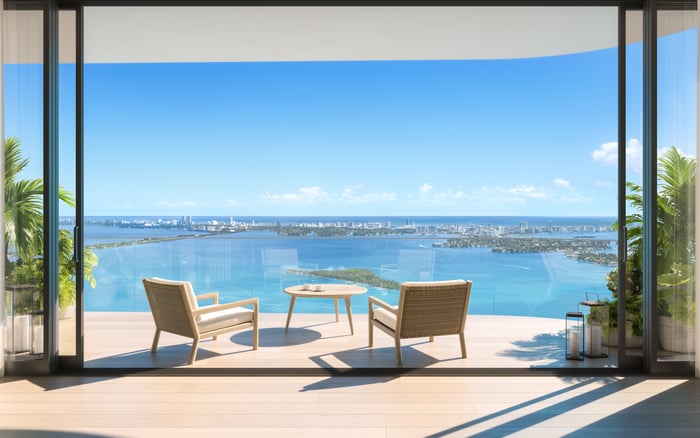
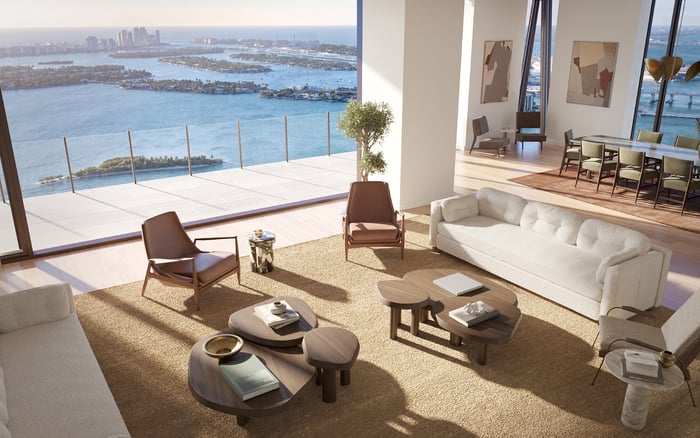
Waterview should also be weighed carefully. A Waterview residence can provide serenity and emotional value, but the daily pedestrian experience must still support the way an owner lives. In a luxury condominium decision, the ideal is not view versus convenience. It is view with convenience that feels effortless.
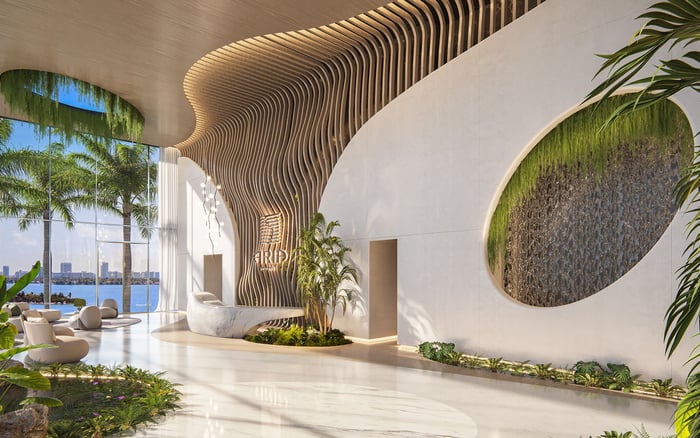
Many buyers begin measuring walkability at the sidewalk. That is too late. In a high-end condominium, the walk begins at the private entry. The sequence through the residence, elevator bank, amenity levels, lobby, porte cochere, and street edge sets the tone.
At Villa Miami, for example, a buyer might consider how the building’s arrival experience supports a lifestyle that alternates between private retreat and urban access. At EDITION Edgewater, the same buyer may evaluate how hospitality-style expectations translate into everyday movement beyond the front door.
The most discerning owners examine whether the building encourages walking or subtly discourages it. If valet feels easier for every small outing, the location may be less walkable in practice than it appears on paper.
Landmark proximity is seductive, but daily errands determine satisfaction. The essential question is whether a resident can complete ordinary routines without making them feel ordinary. Coffee, wellness, grooming, dining, pet care, pharmacy needs, and casual meetings tend to shape the lived value of a location more than occasional destination proximity.
For many buyers, Brickell offers a useful comparison. Brickell’s pedestrian environment can feel intensely urban, with a rhythm tied to offices, restaurants, and a dense vertical lifestyle. Edgewater can appeal to buyers who want a softer residential mood while remaining connected to city life. The choice is not which neighborhood is objectively more walkable. The choice is which walking pattern matches the buyer’s temperament.
A collector, frequent traveler, or second-home owner may prize immediate car service and privacy over daily errands on foot. A full-time resident may place a premium on short, pleasant, repeatable walks. A young family may care less about nightlife proximity and more about protected sidewalks, predictable crossings, and easy access to low-friction routines.
One overlooked metric is route redundancy: the ability to reach the same type of destination in more than one comfortable way. A residence with only one pleasant walking path can feel fragile. If construction, weather, traffic, or a closed sidewalk interrupts that path, the convenience disappears.
Luxury buyers should look for multiple usable routes, not just one attractive route presented during a tour. This is where repeat visits matter. A Sunday morning walk may feel calm, while a weekday evening route may reveal a different reality. The best Edgewater condominium decision accounts for both.
For a buyer considering The Cove Residences Edgewater, the walkability question should extend beyond the nearest destination. It should include how many daily needs can be satisfied with dignity, how often the car remains unnecessary, and whether the pedestrian environment feels consistent enough for year-round use.
Luxury buyers sometimes assume that walkability requires sacrificing discretion. It does not. The more refined version of walkability is not about being in the middle of constant public activity. It is about optionality: the ability to step into the city when desired, then return to a residence that feels composed, secure, and private.
This is particularly relevant in Edgewater, where the condominium decision is often as much about atmosphere as access. A buyer may prefer a quieter residential edge over a more kinetic urban core, provided the practical walking routes remain strong.
The best buildings support both moods. They make it easy to host, depart, return, walk, drive, and retreat without any single mode of movement dominating the lifestyle.
Before committing to an Edgewater residence, buyers should evaluate five lived conditions.
First, test the route from the actual lobby or arrival level, not from a map pin. Second, walk during the times that match your real schedule. Third, judge crossings and curb activity with the same seriousness you bring to finishes and views. Fourth, consider whether daily services are reachable without making the outing feel compromised. Fifth, ask whether the walking environment will still feel appealing after the novelty of the new residence fades.
At Aria Reserve Miami, the buyer’s lens may include the balance between large-scale residential presence and daily access. In any Edgewater purchase, the most valuable walkability is not theoretical. It is the kind that remains pleasurable after hundreds of repetitions.
What walkability metric matters most in Edgewater? The most important metric is door-to-destination friction, including the elevator, lobby, curb, sidewalk, crossings, and arrival experience.
Is a high walkability score enough for a luxury condo decision? No. Luxury buyers should test the actual route, not rely on an abstract score or map-based impression.
Should I walk the neighborhood before buying? Yes. Walk your likely daily routes at the times you expect to use them, including daytime and evening conditions.
Does valet service reduce the importance of walkability? Not necessarily. Strong walkability gives owners optionality, which is a core luxury in daily living.
How should view factor into a walkability decision? View matters deeply, but it should be balanced with how comfortably the residence supports everyday movement.
Is Edgewater more residential than Brickell? Many buyers perceive Edgewater as a softer residential setting, while Brickell often feels more intensely urban.
What should pet owners evaluate? Pet owners should consider lobby access, elevator ease, sidewalk comfort, shade, and repeatable walking routes.
Are restaurants the best measure of walkability? Restaurants matter, but daily services, wellness, errands, and route comfort are often more important.
Can privacy and walkability work together? Yes. The ideal residence allows easy pedestrian access while preserving a calm and discreet return home.
When should walkability be evaluated in the buying process? It should be evaluated before final selection, alongside floor plan, views, amenities, and service quality.
If you'd like a private walkthrough and a curated shortlist, connect with MILLION.
If branded residences are on your mind — as a home or as an allocation — we would be glad to share what we are seeing, privately.
Begin a quiet conversation