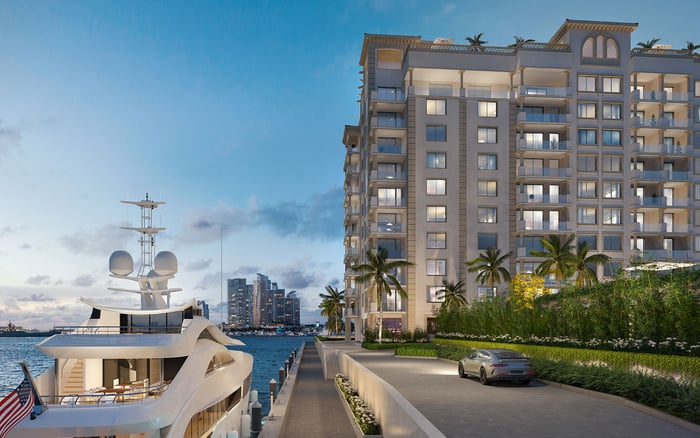
A buyer-focused framework for verifying how Palazzo della Luna handles private entertaining, from guest arrival and elevator access to valet coordination and outdoor-space rules.
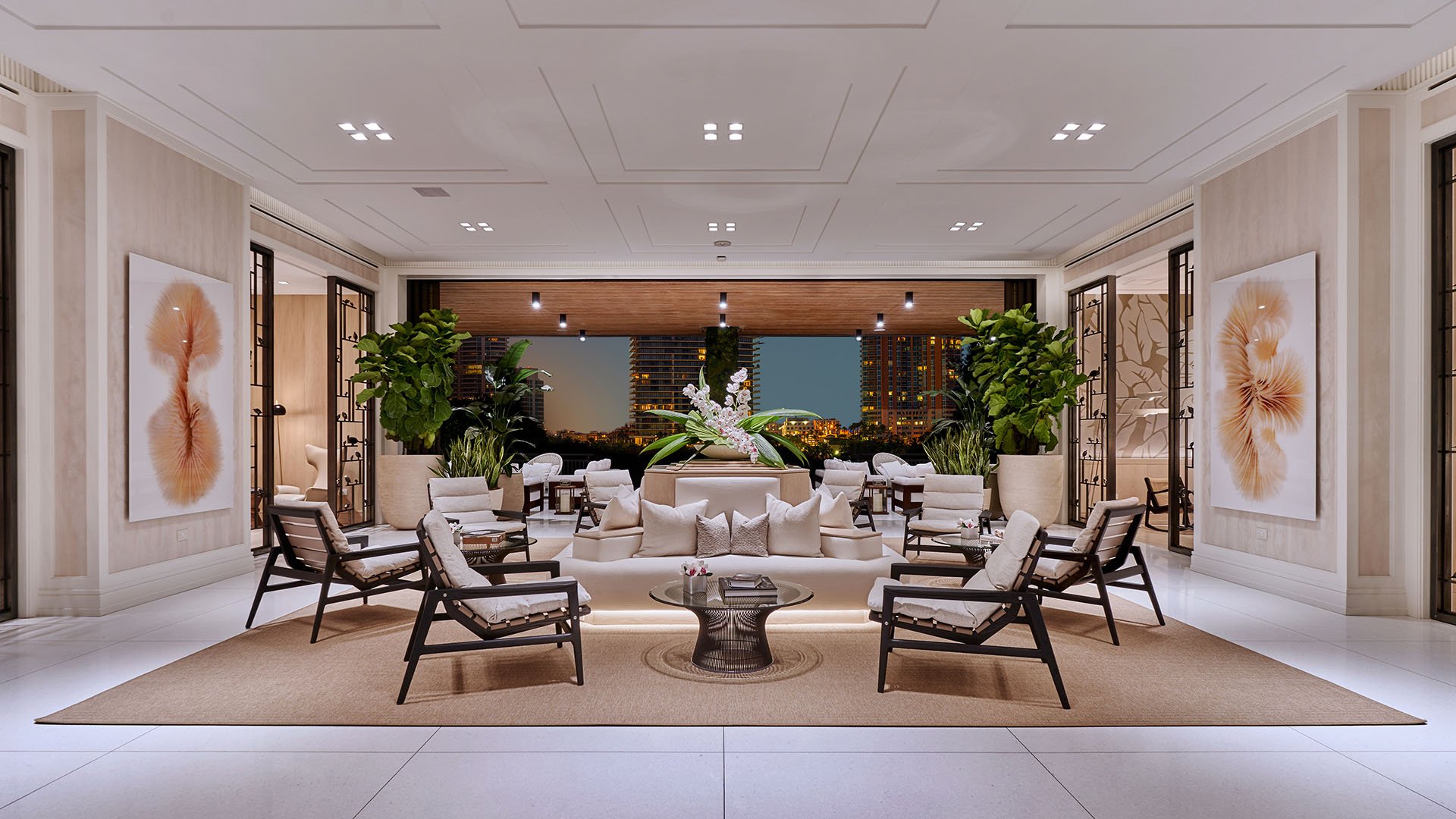
For an owner who entertains, privacy is not merely a matter of square footage or interior design. It is the choreography of arrival, access, service, gathering, and departure. At Palazzo della Luna, buyers should verify that choreography rather than assume how a dinner, cocktail reception, or family celebration will unfold.
The essential details are practical: party rules, elevator procedures, valet coordination, guest access, vendor handling, and the permitted use of outdoor space. These policies can shape the experience as decisively as the residence itself. Before a purchase or event, buyers should consult current condominium documents and confirm all procedures with building management and the sales office.
That diligence is especially relevant for buyers prioritizing Lifestyle, Waterfront, Terrace, and Balcony considerations. Each label may suggest an appealing way of living, but governing procedures determine how that vision functions in practice.
A serious review should begin by establishing what the building considers an event. A quiet dinner among friends may be treated differently from a catered reception, while recurring gatherings may raise separate questions. Buyers should request the current rules and determine whether attendance thresholds, advance notice, deposits, insurance, staffing, or designated hours apply.
Noise provisions merit equal attention. Confirm how sound is addressed inside a residence and across any private outdoor area, whether doors must remain closed after certain hours, and how complaints are managed. The objective is not simply to identify restrictions, but to understand whether the building’s expectations align with the owner’s preferred style of hospitality.
Owners should also clarify cleanup requirements, delivery windows, decoration policies, and responsibility for common-area damage. Written answers are preferable because operating practices can evolve.
Privacy is best evaluated by tracing a guest’s route from arrival through departure. Ask where names are submitted, how identities are confirmed, whether last-minute guests can be accommodated, and who authorizes entry. For larger gatherings, determine whether a consolidated guest list is required and how revisions are handled.
The same exercise should account for drivers, household staff, caterers, florists, musicians, and other vendors. Their access may follow a different route or schedule from that of social guests. Confirm where vendors check in, how equipment is screened, and whether a representative of the residence must meet them.
For buyers considering Fisher Island alongside other ownership options, the discipline should remain consistent. Palazzo del Sol can be included in the same review set, with each property assessed through its own current documents rather than broad assumptions about the area.
Elevator access is central to a private arrival, yet labels alone do not reveal the operating protocol. Buyers should ask which elevators guests may use, whether access credentials are programmed by floor, and how staff direct multiple arrivals. It is equally important to confirm whether residents, guests, and service providers follow distinct procedures.
Event preparation adds another layer. Catering carts, floral installations, rented furniture, audiovisual equipment, and waste removal may require service-elevator reservations. Ask about booking windows, protective coverings, loading durations, and potential conflicts with move-ins or other scheduled work.
The best test is a realistic scenario. Present management with the anticipated number of guests, vendors, deliveries, and departure times, then request the expected sequence. Buyers comparing estate-style alternatives such as The Links Estates at Fisher Island should apply the same scenario to every candidate, even when the physical layouts differ.
Valet service, where applicable under current procedures, is more than a convenience. It is the first and last point of contact for many guests. Before hosting, confirm how visitors identify the residence, whether event notice is required, where rideshare vehicles are directed, and how peak arrival periods are managed.
Ask how vehicle retrieval is requested and whether simultaneous departures require advance coordination. A refined evening can lose its sense of ease when a group exits at once without a plan. Hosts may also wish to understand how chauffeurs wait, how accessible arrivals are supported, and whom guests should contact if plans change.
Do not assume that everyday valet practices automatically extend to a private event. Request the procedure for the proposed date, scale, and timing, then incorporate those instructions into the invitation or a discreet message to guests.
Outdoor entertaining requires a separate review because weather, sound, lighting, furnishings, and service circulation all intersect. Confirm whether a private Terrace or Balcony can accommodate the intended gathering, which hours apply, and whether amplified sound, temporary lighting, candles, grills, heaters, umbrellas, or freestanding decor are permitted.
Capacity should be considered from both a rules and design perspective. Even when a gathering is allowed, seating plans, serving stations, door clearances, and safe movement must function comfortably. Owners should also establish a rain plan that neither overwhelms the interior nor disrupts elevator and vendor schedules.
A comparison with The Residences at Six Fisher Island should center on documented permissions and actual circulation, not simply renderings or broad amenity language. For any Waterfront home, operational clarity is a form of luxury.
Before closing, request the latest declaration, bylaws, rules and regulations, application materials, and any event-related forms relevant to the residence. Ask management to identify the controlling document when verbal guidance and written language differ. Counsel can help interpret obligations, approval rights, liability, and insurance requirements.
Create a concise file covering guest registration, elevator reservations, vendor certificates, valet contacts, delivery windows, noise limits, outdoor-space permissions, cleanup, and emergency procedures. This record is useful not only for major occasions, but also for household staff and event planners.
For a buyer focused on Palazzo della Luna Fisher Island, the central question is straightforward: Can the desired style of entertaining be executed with privacy, grace, and predictable coordination? The answer should rest on current written rules and direct confirmation, not inference.
Are Palazzo della Luna party-size limits confirmed? Buyers should verify current attendance limits and event definitions with management and against the governing condominium documents.
Should an owner give advance notice of a gathering? Determine whether the proposed event requires notice, approval, a guest list, deposits, insurance, or staffing.
Do guests have access to private elevators? Verify elevator access procedures, including credentials, floor authorization, and staff direction.
Can caterers use the same elevators as guests? Confirm the required service route, reservation windows, protective measures, and equipment rules before booking vendors.
How should valet be coordinated for a party? Verify event notice, arrival instructions, rideshare handling, chauffeur waiting, and the plan for concentrated departures.
Can owners entertain on a Terrace or Balcony? Confirm permitted uses, hours, capacity, sound, lighting, furnishings, and weather-related restrictions in writing.
Are musicians or amplified sound permitted? Confirm indoor and outdoor sound rules, permitted hours, and any approval requirements.
What should be checked for vendor access? Review check-in, identification, insurance, delivery timing, loading, supervision, and cleanup procedures.
Can building procedures change after purchase? Condominium rules and operating practices may change, so owners should obtain current guidance before each significant event.
What is the most important pre-purchase step? Test a realistic entertaining scenario against current documents and written responses from the appropriate building representatives.
For a confidential assessment and a building-by-building shortlist, connect with MILLION.
If branded residences are on your mind — as a home or as an allocation — we would be glad to share what we are seeing, privately.
Begin a quiet conversation