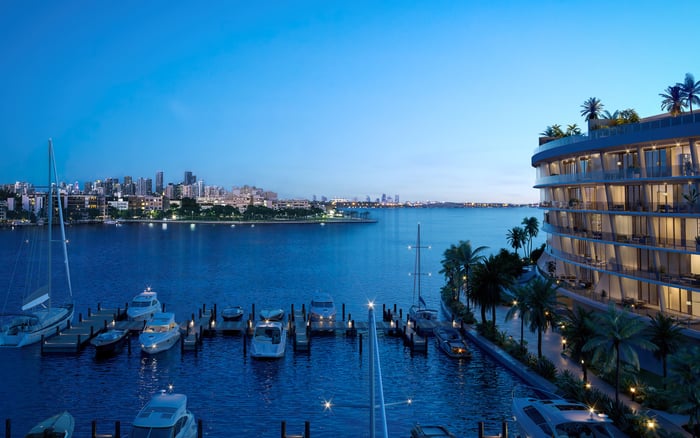
A practical buyer guide to reading building culture at Bay Harbor Towers and Vita at Grove Isle, with emphasis on pets, service elevators, deliveries, staff discretion, and rule flexibility.
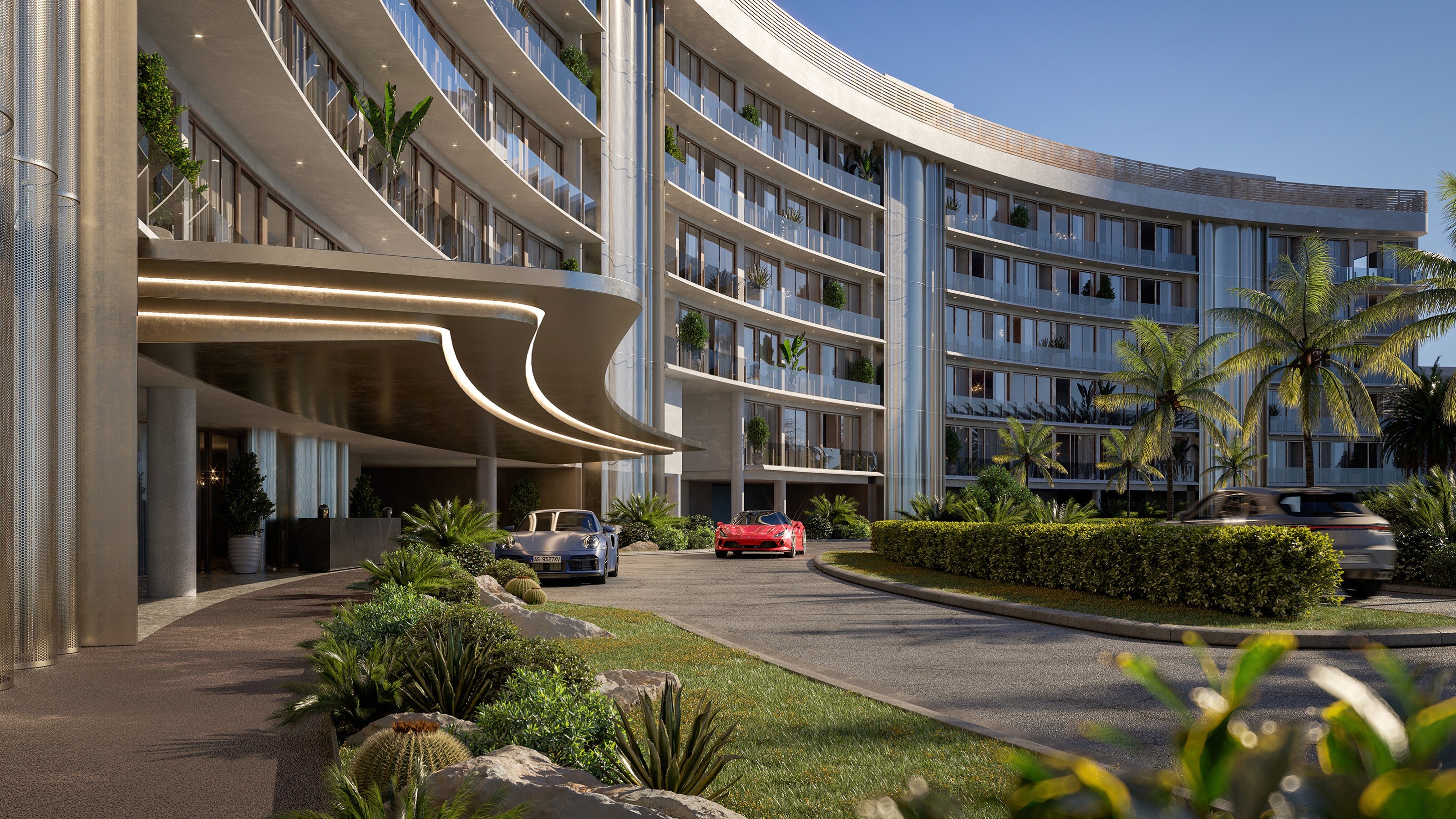
In South Florida luxury real estate, the most revealing questions are often not about the pool deck, the lobby finish, or the view corridor. They are about the daily choreography of life: how a dog gets downstairs, where a contractor enters, how a large delivery is routed, and whether a house rule is enforced with rigidity or judgment.
That is why the comparison between Bay Harbor Towers and Vita at Grove Isle is so instructive. Bay Harbor Towers offers the mature-building lens in Bay Harbor Islands, where established waterfront towers operate within association culture, board history, resident expectations, and long-standing norms. Vita at Grove Isle frames the new-construction side of the conversation, where buyers may expect systems, circulation, and service protocols to feel more deliberately designed from inception.
The point is not to declare one model superior. It is to understand that luxury is operational as much as architectural. A building can be elegant on paper yet inconvenient in daily use if its service routes are strained, its pet logistics are awkward, or its informal flexibility depends on who is working the desk that day.
Bay Harbor Towers is best read as a case study in how older waterfront buildings manage modern residential expectations. In a mature association, written rules matter, but lived practice often matters just as much. The resident mix, the history of prior boards, and the staff’s accumulated habits can all shape how rules are interpreted.
This is especially relevant in Bay Harbor Islands, a micro-market where older waterfront towers coexist with newer boutique luxury projects. A buyer looking at Bay Harbor Towers should resist the temptation to compare only square footage, water exposure, and monthly carrying costs. The more refined question is whether the building’s operating culture supports the way the buyer actually lives.
For some households, that means frequent deliveries, regular visitors, service providers, family staff, or pets moving through common areas several times a day. For others, it means a quieter routine with fewer operational demands. Bay Harbor Towers may appeal differently depending on how comfortably its association culture accommodates those patterns.
Vita at Grove Isle enters the discussion as the new-construction counterpart, but buyers should still avoid assumptions. A newer building may offer more contemporary planning, but exact pet policies, elevator rules, loading procedures, and exception protocols should be verified through governing documents, management, and sales materials before purchase.
The broader contrast is useful because it asks what a buyer is really paying for. Is the premium connected only to finishes and amenities, or also to smoother movement behind the scenes? In high-end condominium life, a thoughtful service spine can be as important as a dramatic arrival sequence.
For Coconut Grove buyers considering Vita at Grove Isle, the same operational diligence applies. The building’s presentation may feel modern and curated, yet the daily experience will still depend on how rules are written, staffed, communicated, and enforced once residents occupy the property.
Pets are one of the clearest tests of whether a building’s lifestyle promise translates into daily comfort. A rule that says pets are allowed does not automatically mean the experience is easy. The practical questions are more specific: must pets use a service elevator, are there time limitations, and how do staff and neighbors typically respond to pet circulation?
At Bay Harbor Towers, buyers should treat pet policy as an operational issue rather than a simple yes-or-no permission. If a dog must move through a particular elevator bank or corridor, that route becomes part of daily life. If access is handled informally, the consistency of staff discretion becomes part of the ownership experience.
The most discerning buyers ask how the building behaves on an ordinary Tuesday morning, not just how it reads in a rules summary. If multiple residents are coordinating pets, deliveries, and contractors at the same time, the building’s true culture becomes visible.
Service elevators are the backstage infrastructure of luxury condominium life. They absorb the movement that residents prefer not to see: movers, florists, caterers, repair technicians, furniture deliveries, housekeepers, and, in some buildings, pets. When this system works well, the building feels composed. When it does not, even a beautiful property can feel tense.
For Bay Harbor Towers, service-elevator culture is a key buyer issue because older buildings may have legacy circulation patterns. Those patterns can influence everything from move-in scheduling to contractor access and pet routing. The question is not merely whether a service elevator exists. It is how it is prioritized, reserved, shared, and policed.
In a mature building, there may be long-standing expectations about which activities belong in which elevator and when. Some expectations may be clearly documented, while others may be conveyed by staff or neighbors over time. A buyer should ask management how moves, large deliveries, routine maintenance, and visiting staff are coordinated, especially during peak hours or seasonal occupancy.
House rules are essential in a condominium, but their interpretation can vary sharply by building. A mature association like Bay Harbor Towers may operate with a combination of formal documents, board interpretation, and informal precedent. That blend can be a strength when it allows common-sense flexibility, or a frustration when expectations are unclear.
Flexibility does not mean permissiveness. In the best buildings, it means the staff and board understand real life while preserving order. A visiting family member, an urgent repair, a furniture delivery, or a pet-related exception may all require judgment. Buyers should ask not only what is prohibited, but how exceptions are requested, who approves them, and whether approval is consistent.
This is where resale and new-construction comparisons become more nuanced. Resale buildings may offer a more established sense of social order, while new buildings may offer freshly drafted protocols. Neither guarantees ease. In both cases, pets, staff access, and service corridors reveal the difference between a rulebook and a livable residence.
The most effective diligence is practical and specific. At Bay Harbor Towers, buyers should ask management how pets are routed, whether any elevator access is time-limited, and how staff typically handle resident requests that fall outside a standard rule. They should also ask how contractors, deliveries, move-ins, visiting family, and domestic staff are coordinated.
For Vita at Grove Isle, the questions are similar, but the emphasis shifts toward confirming how the intended operating model will function in practice. Buyers should review the house rules, pet provisions, move-in procedures, service-elevator protocols, and any available management guidance before assuming that new construction automatically means frictionless living.
A final layer is cultural fit. Some residents prefer strict uniformity because it protects privacy and quiet. Others value discretion and flexibility because their lives involve travel, staff, entertaining, or frequent family visits. A luxury building’s value is highest when its operating culture matches the owner’s actual rhythm.
In the ultra-premium market, operational ease is often invisible until it is absent. The right building allows a household to function gracefully without constant negotiation. The wrong fit can make small routines feel ceremonial, inconvenient, or dependent on personal relationships with staff.
Bay Harbor Towers and Vita at Grove Isle therefore represent more than an old-versus-new comparison. They invite buyers to examine the soft infrastructure of condominium living: staff judgment, board temperament, resident norms, service routing, and the difference between formal permission and practical convenience.
For Bay Harbor Towers in particular, the lived experience may depend on details that are not obvious from a listing page. Elevator routing, staff discretion, and enforcement culture can all influence whether the building feels effortless or constrained. Buyers should not assume that all luxury buildings in Bay Harbor Islands, or across South Florida, handle these issues the same way.
Why compare Bay Harbor Towers and Vita at Grove Isle? The comparison highlights how mature-building culture and new-construction expectations can shape daily condominium life beyond visible amenities.
Are pet policies the main issue for buyers? Pet policy is one issue, but the real question is whether pet movement is convenient, consistent, and comfortable in daily use.
Should buyers rely on listing language about pets? No. Buyers should review governing documents and ask management how pet circulation actually works in practice.
Why do service elevators matter so much? Service elevators control the movement of deliveries, contractors, movers, staff, and sometimes pets, making them central to daily convenience.
Can older buildings be more flexible than newer ones? Sometimes. Mature associations may rely on precedent and judgment, while newer buildings may have more freshly defined protocols.
Does new construction guarantee easier logistics? Not automatically. Buyers should verify service routes, elevator procedures, pet rules, and exception processes before purchase.
What should Bay Harbor Towers buyers ask management? They should ask about pet routing, delivery scheduling, contractor access, move-ins, service elevators, and how exceptions are handled.
How does board culture affect ownership? Board culture can influence enforcement intensity, communication style, and the practical flexibility residents experience day to day.
Is informal flexibility always positive? Not always. Flexibility is valuable when consistent and discreet, but frustrating when outcomes feel unpredictable or personal.
What is the core lesson for luxury condo buyers? The best fit is not only a beautiful residence, but a building whose operating culture supports the owner’s daily life.
If you'd like a private walkthrough and a curated shortlist, connect with MILLION.
If branded residences are on your mind — as a home or as an allocation — we would be glad to share what we are seeing, privately.
Begin a quiet conversation