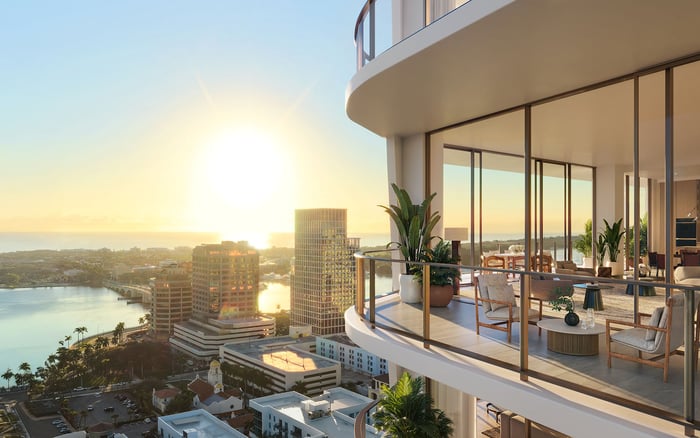
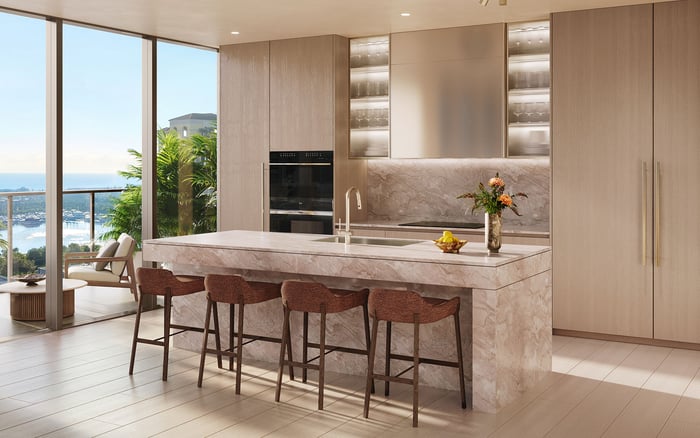
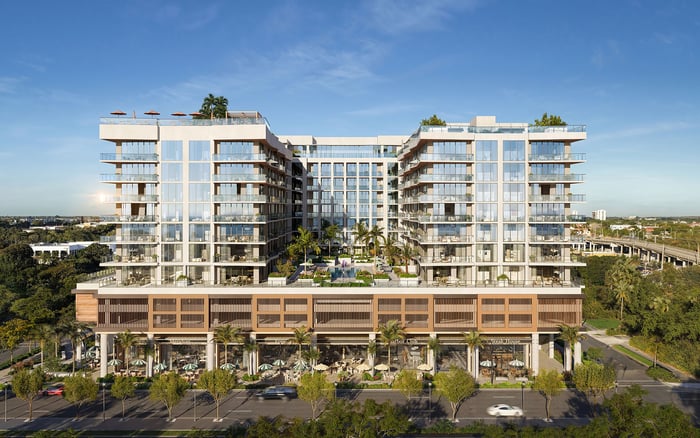
For affluent buyers who want wellbeing embedded into daily life without turning home into a health retreat, Banyan Tree Residences West Palm Beach is best understood through the Banyan Tree residential philosophy: a sanctuary-led model shaped by hospitality, calm design, privacy, and service. The appeal is not medical infrastructure. It is a softer, more luxurious vision of wellness grounded in atmosphere, ritual, and resort-level ease.
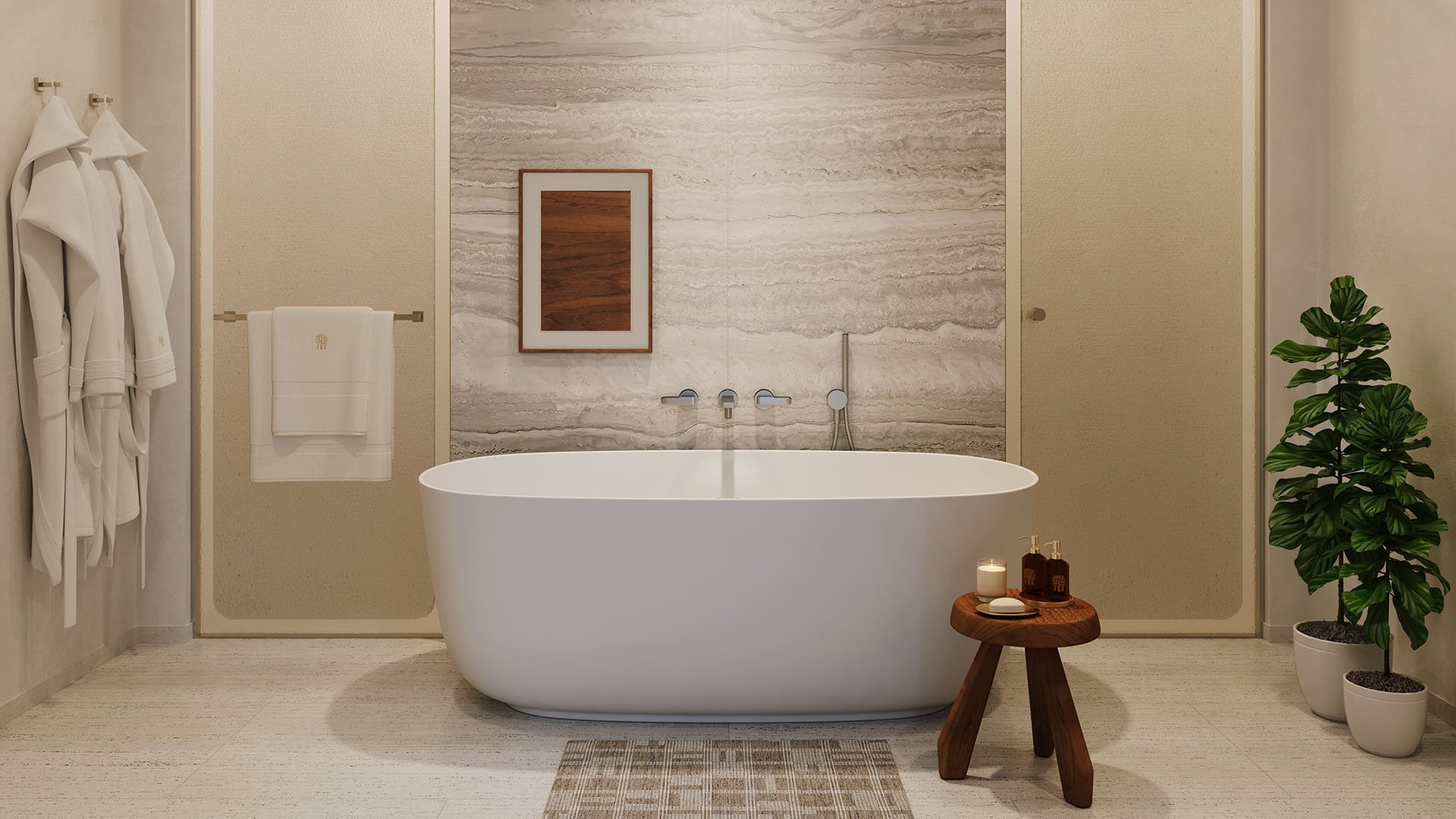
In the upper tier of South Florida real estate, wellness has become a lasting part of the residential conversation. Yet for many buyers, the phrase still triggers the wrong visual language: overprogrammed amenity decks, diagnostic aesthetics, and spaces that feel more procedural than personal. The more sophisticated buyer wants something else. They want a home that restores energy, lowers noise, and supports good habits almost invisibly.
That is where Banyan Tree Residences West Palm Beach enters the conversation most convincingly. The strongest case for the property is not a checklist of technical specifications. It is the Banyan Tree residential philosophy itself: private ownership shaped by a hospitality group long associated with spa culture, mindfulness, calm, and a sanctuary-for-the-senses approach to living. For wellness-oriented owners who do not want a clinical feeling at home, that distinction matters.
The difference is subtle but important. A clinical environment asks residents to think about wellness as intervention. A Banyan Tree-style environment suggests wellness as atmosphere, rhythm, privacy, and thoughtful service. In practical terms, that can mean a residence where design softens the day before any formal amenity is even used. It can mean spaces that invite exhale rather than performance. It can mean arriving home to discretion, calm, and support instead of messaging that feels prescriptive.
In a market where the most discerning buyers increasingly value emotional quality as much as square footage, this framing is especially well suited to West Palm Beach.
Banyan Tree Residences is positioned as an extension of a luxury hospitality and wellbeing-led brand into private homeownership. That matters because branded residences are not all shaped by the same cultural DNA. Some derive their identity from fashion, some from service polish, some from restaurant cachet. Banyan Tree’s identity is more sensory and restorative.
Its residential language consistently centers on sanctuary, nature, privacy, and calm. Design cues are rooted in natural materials, indoor-outdoor ease, and an atmosphere of retreat. That makes wellness feel residential rather than institutional. Buyers are not being asked to live inside a concept of optimization. They are being offered a home environment intended to feel warm, composed, and deeply livable.
That softer approach is increasingly relevant in West Palm Beach, where luxury demand has matured beyond simple trophy value. The best projects now compete not only on finish and location, but on the quality of daily experience. Buyers comparing Banyan Tree Residences West Palm Beach with peers such as Alba West Palm Beach or Forté on Flagler West Palm Beach are often evaluating a more personal question: what kind of mood do I want my home to create?
With Banyan Tree, the answer is less spectacle and more serenity.
For the buyer who wants wellness at home, the real luxury is often indirect. It is not the loudest amenity. It is the ability to move through the day with less friction. Banyan Tree’s residential concept is built around wellbeing, spa culture, fitness access, mindful living, and curated lifestyle programming, but the experience is framed through warmth and hospitality rather than health-system language.
This is a critical distinction for owners who are highly attuned to design psychology. Clinical cues can make a home feel supervised. A sanctuary-led residence does the opposite. It creates comfort through texture, proportion, light, privacy, and service. The result is a home that supports rituals naturally: morning movement, quiet evenings, restorative weekends, and a more seamless relationship between indoors and outdoors.
That same buyer may also be considering wellness-forward branded projects elsewhere in the region, from The Well Coconut Grove to House of Wellness Brickell. What distinguishes the Banyan Tree proposition is its especially understated tone. The emphasis is not on broadcasting wellness. It is on making wellbeing feel elegant, instinctive, and private.
Another reason the Banyan Tree model resonates is that it replaces the institutional feel of care with the more refined logic of service. The brand positions its residences as a blend of home, hotel-style support, and curated lifestyle. Owners are not stepping into a traditional condominium framework alone. They are entering a setting shaped by concierge-style assistance and a hospitality mindset.
For luxury buyers, this can be more meaningful than any single amenity room. True comfort often comes from invisible execution: help arranged before it is requested, privacy maintained without stiffness, and an environment that anticipates needs without making life feel managed. The best branded residences create ease. Banyan Tree’s hospitality background suggests a particularly coherent version of that promise.
In West Palm Beach, where buyers may split time between multiple residences, operate globally, or simply expect a highly polished standard of living, that kind of support has tangible value. It contributes to the emotional function of the home. Owners can preserve the feeling of retreat even when their schedules are demanding.
Projects like Mr. C Residences West Palm Beach and The Ritz-Carlton Residences® West Palm Beach speak to the same broader evolution in branded living: residence as lifestyle platform, not simply an address. Banyan Tree’s niche within that category is the owner who wants service wrapped in softness.
West Palm Beach has become a compelling address for buyers seeking sophistication without overstatement. Its luxury audience often values discretion, waterfront beauty, and an increasingly layered cultural and social life. That profile aligns naturally with a residential concept built around privacy, tranquil design, and resort-caliber ease.
For Palm Beach and West Palm Beach buyers, the appeal is not simply that wellness is present. It is that wellness is ambient. Home should not announce itself as a corrective environment. It should feel balanced from the start. Banyan Tree’s emphasis on calm, Asian heritage-inflected design sensibility, nature, and sanctuary fits this desire for a more nuanced expression of luxury.
This is especially compelling for second-home owners and primary residents alike who want their residence to function as a decompression chamber. The ultra-premium buyer already has access to fitness studios, medical specialists, spas, and private clubs. What they cannot easily outsource is the emotional tone of home. That is the category where Banyan Tree appears strongest.
A buyer drawn to Banyan Tree Residences West Palm Beach is not merely shopping for finishes or branding. They are purchasing an atmosphere. They want the intangible qualities that separate a polished residence from a restorative one.
That buyer may be highly wellness-oriented but resistant to anything that feels doctrinaire. They may want spa access, movement spaces, holistic programming, and attentive service, yet still insist that the residence feel intimate and residential. They may care deeply about materials, privacy, sensory calm, and a refined pace of living. In other words, they want a home that supports wellbeing without turning wellbeing into décor.
That is why the Banyan Tree approach deserves attention. It frames luxury wellness not as performance, but as quiet consistency. Not as medicine, but as mood. Not as a specialized wing of the home, but as the character of the home itself.
What makes Banyan Tree Residences West Palm Beach appealing to wellness-oriented buyers? Its strongest appeal is a sanctuary-led lifestyle that blends calm design, privacy, hospitality, and everyday wellbeing without making the residence feel clinical.
Does the concept focus more on medical wellness or lifestyle wellness? The emphasis is clearly on lifestyle wellness, including spa culture, mindfulness, movement, and restorative daily living.
Why does a non-clinical feeling matter in a luxury residence? Many affluent owners want wellness support at home, but they still want warmth, beauty, and softness rather than an institutional atmosphere.
How does hospitality improve the ownership experience? Hospitality-style service adds ease, discretion, and concierge support, allowing owners to enjoy comfort without feeling managed.
Is Banyan Tree known more for residences or hotels? The residence concept is rooted in a longstanding luxury hospitality background, which helps shape its service and wellbeing identity.
What kind of design language suits this buyer profile? Natural materials, tranquil environments, indoor-outdoor flow, and privacy tend to resonate most with owners seeking restorative rather than clinical homes.
How does this fit the West Palm Beach market? West Palm Beach increasingly attracts buyers who value discreet luxury, calm waterfront living, and branded residences with a refined service culture.
Would this appeal to a second-home owner? Yes. Buyers who divide time between residences often value turnkey ease, privacy, and a home that immediately shifts them into a slower rhythm.
How does Banyan Tree compare with other wellness-oriented branded residences? Its distinction is an especially soft, sanctuary-driven tone that makes wellbeing feel elegant and lived-in rather than heavily programmed.
What should buyers focus on when evaluating this opportunity? They should focus on the fit between the Banyan Tree philosophy and their own lifestyle priorities, especially if atmosphere and service matter as much as amenities.
When you're ready to tour or underwrite the options, connect with MILLION.
If branded residences are on your mind — as a home or as an allocation — we would be glad to share what we are seeing, privately.
Begin a quiet conversation