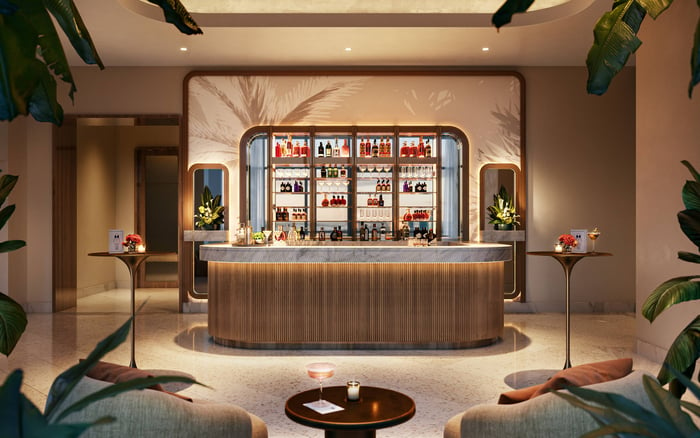
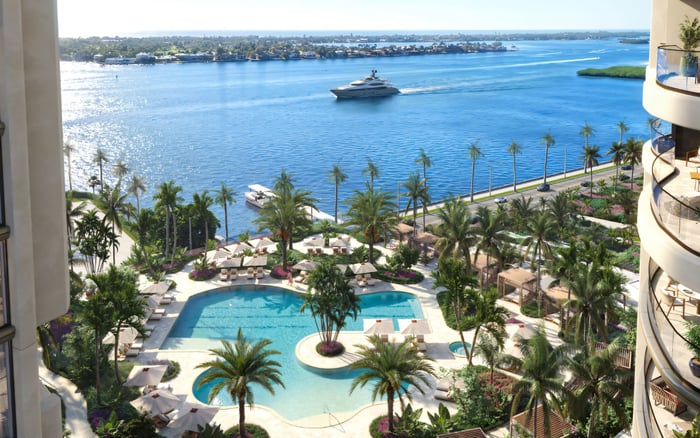
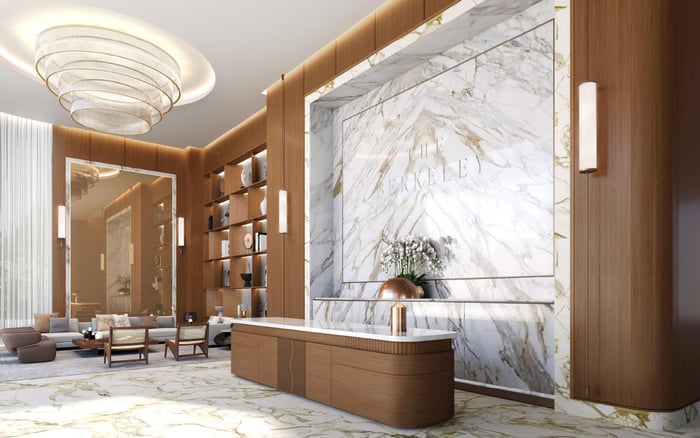
Banyan Tree Residences West Palm Beach speaks to a particular kind of buyer: one who wants the convenience of a rising urban Palm Beach County address, but prefers a quieter expression of luxury. Backed by Banyan Tree’s global hospitality platform and wellness-rooted residential identity, the project stands apart from more theatrical branded towers by leaning into privacy, attentive service, and a sense of retreat. For residents weighing West Palm Beach against faster, louder South Florida nodes, that softer tone may be exactly the point.
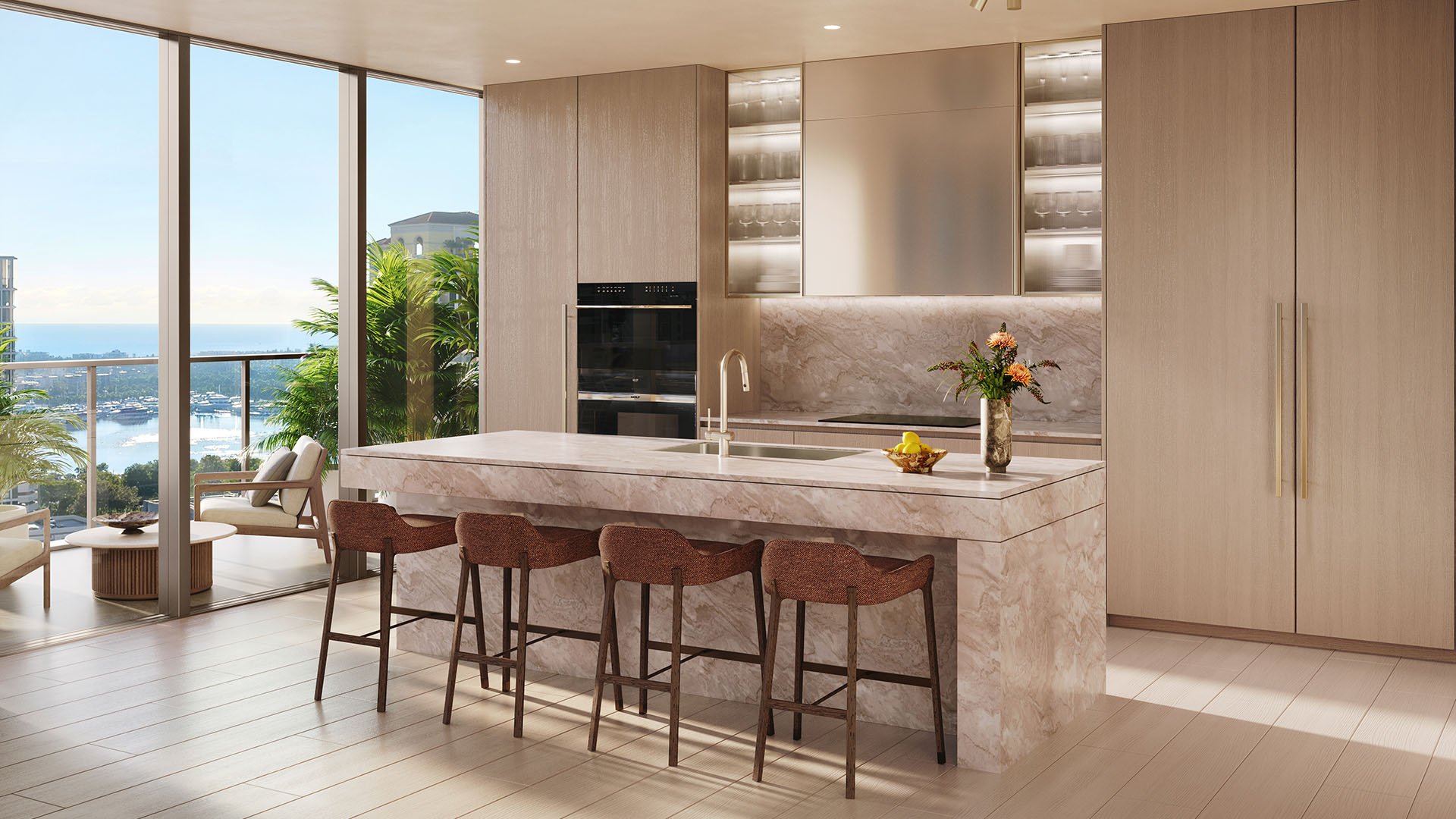
In South Florida, branded residences often compete on visibility. The promise is often immediate and glamorous: recognizable names, high-impact arrivals, and a social identity that can read almost as strongly as the architecture itself. Banyan Tree Residences West Palm Beach enters that conversation from a different angle.
Its appeal is not built around flash. It is better understood as a residence for buyers who want daily ease in West Palm Beach, yet prefer a quieter emotional register once they are home. Banyan Tree’s residential platform is shaped by hospitality, but not in a way that suggests a transient, hotel-like atmosphere. Instead, the brand language centers on privacy, attentive service, and a retreat-oriented approach to ownership.
That matters in West Palm Beach, where the urban core continues to attract affluent buyers seeking proximity to offices, dining, culture, and the waterfront without feeling immersed in a more accelerated South Florida rhythm. In that setting, Banyan Tree offers something distinct: convenience with a softer luxury tone.
Banyan Tree arrives with a global hospitality identity and a dedicated branded-residences platform. For buyers, that gives the West Palm Beach project more than a name on the facade. It points to a living experience shaped by an established service culture and a recognizable philosophy of home.
The brand’s residential identity has long leaned into a sanctuary mindset. In practical terms, that translates into an atmosphere of calm, personalized attention, and long-term livability. Rather than centering status through spectacle, the proposition is more nuanced: a residence can feel elevated because it is thoughtfully managed, quietly composed, and easy to inhabit.
This distinction is increasingly meaningful among second-home buyers and full-time residents alike. Many luxury purchasers want lock-and-leave convenience, but do not necessarily want their building to feel like a nonstop social stage set. Banyan Tree’s positioning suggests a more measured version of branded living, where service is present without being overperformed.
For context within the same city, buyers comparing branded or highly curated options may also look at The Ritz-Carlton Residences® West Palm Beach or Mr. C Residences West Palm Beach. What distinguishes Banyan Tree is the softer vocabulary around wellness, privacy, and retreat.
Soft luxury can sound abstract until it is tied to the way a buyer actually lives. In the Banyan Tree context, it suggests understated design cues, a nature-influenced sensibility, and common spaces that feel tranquil rather than theatrical. Across the brand’s broader residential identity, the aesthetic is associated with refined materials, spa-like ambiance, and an emphasis on atmosphere over display.
That is an important distinction in a market where some branded residences are designed to be instantly legible as symbols. Banyan Tree’s appeal is more internal. It is for the resident who values how a place feels at 7 a.m., not just how it photographs at 7 p.m.
There is also a practical side to this softer positioning. A wellness-led residential environment tends to support a more balanced ownership experience, especially for people who split time between markets or want their South Florida residence to function as a reset. That can be compelling for those relocating from denser urban centers, or for Palm Beach buyers who want a city-adjacent base that does not sacrifice calm.
In that broader design conversation, West Palm Beach now offers a useful range. Alba West Palm Beach speaks to buyers who prioritize waterfront modernism, while Forté on Flagler West Palm Beach appeals to those seeking a more boutique expression of new luxury. Banyan Tree fits the buyer who wants branded reassurance without an overly assertive aesthetic.
West Palm Beach has become increasingly attractive to buyers who want access to South Florida’s economic and cultural momentum, but do not feel compelled by Miami’s intensity. The city offers a growing luxury urban core with dining, offices, waterfront amenities, and a more manageable day-to-day tempo.
That context is essential to understanding Banyan Tree Residences West Palm Beach. The project’s strongest appeal lies in its ability to sit close to convenience while maintaining a more serene brand vocabulary. It speaks to residents who want to be connected, not consumed.
This is one reason the development feels aligned with the current tone of the West Palm market. The area is drawing affluent relocators, seasonal owners, and buyers looking for an urban address within Palm Beach County. Many are not chasing maximalism. They are looking for intelligent service, established brand credibility, and environments that support a polished but quieter life.
That theme also shows up across nearby product types. A buyer surveying the city’s new residential landscape may move between Banyan Tree Residences West Palm Beach, Shorecrest Flagler Drive West Palm Beach, and other new project offerings to gauge not just location and design, but tone. Increasingly, tone is the differentiator.
The clearest buyer profile here is someone who wants branded convenience, but not branded excess. That may be a primary resident who values seamless daily management. It may be a seasonal owner who wants dependable service and effortless arrival. Or it may be a purchaser moving from a larger gateway city and looking for a residence that feels composed rather than performative.
There is also likely appeal for buyers who value international hospitality brands with cross-market credibility. A global platform can offer comfort, especially when paired with a residential concept that emphasizes long-term ownership rather than transient use.
For this audience, the selling point is less about spectacle and more about confidence. The brand suggests a known standard. The West Palm setting offers urban convenience. The overall tone promises a lifestyle that feels cultivated, not overproduced.
That combination places Banyan Tree in a compelling niche within boutique-leaning luxury preferences, even if the project is understood primarily through its service identity rather than through publicly emphasized inventory specifics. It is best viewed as a residence for buyers who want a city-facing life with a private-state-of-mind sensibility.
The most persuasive case for Banyan Tree Residences West Palm Beach is philosophical as much as physical. Buyers considering it should think about whether they are drawn to energetic branding or quiet assurance. In this case, the brand proposition is rooted in personalized service, privacy, and a sanctuary-driven approach to living.
That makes the residence especially relevant for purchasers who equate luxury with calm. Not every buyer does. Some want maximal expression, social visibility, or highly theatrical design language. Others want a place that supports focus, ease, and discretion. Banyan Tree appears tailored to the latter.
In an increasingly crowded branded-residence field, that restraint may be exactly its luxury. The convenience of downtown West Palm Beach is part of the proposition, but so is the idea that home should feel removed from friction. For the right buyer, that is not a secondary feature. It is the defining one.
What is the core appeal of Banyan Tree Residences West Palm Beach? It offers branded luxury in West Palm Beach with an emphasis on calm, privacy, and everyday convenience rather than overt spectacle.
Is Banyan Tree a recognized hospitality brand? Yes. Banyan Tree operates internationally and has a dedicated branded-residences platform tied to its hospitality identity.
What does softer luxury mean here? It suggests a wellness-forward, understated atmosphere shaped by attentive service, retreat-like ambiance, and refined design cues.
Who is the best fit for this project? It suits buyers who want city access and service-led living, including full-time residents and second-home owners seeking ease.
Why is West Palm Beach a good match for this concept? The city offers a growing luxury urban core with culture, dining, and waterfront access, but with a more measured pace than some other South Florida markets.
Does the project feel more residential than hotel-like? That is the positioning. The concept centers on ownership, privacy, and management convenience rather than a transient resort atmosphere.
How does it compare with other West Palm branded residences? Compared with peers, Banyan Tree stands out for its sanctuary-oriented identity and less ostentatious tone.
Is this likely to appeal to relocators? Yes. Buyers moving to Palm Beach County often want urban convenience without sacrificing discretion and calm.
Are detailed unit and pricing specifics widely established? Some details may be publicly disclosed through project channels, but buyers should confirm current availability, pricing, and delivery information directly.
Why would MILLION readers pay attention to this project now? Because it reflects a broader shift in luxury demand toward service, wellness, and understated prestige in new project residential offerings.
For a tailored shortlist and next-step guidance, connect with MILLION.
If branded residences are on your mind — as a home or as an allocation — we would be glad to share what we are seeing, privately.
Begin a quiet conversation