A discreet buyer’s guide to the Bal Harbour luxury mindset, where security, privacy, and the choreography of arrival shape the residence search.
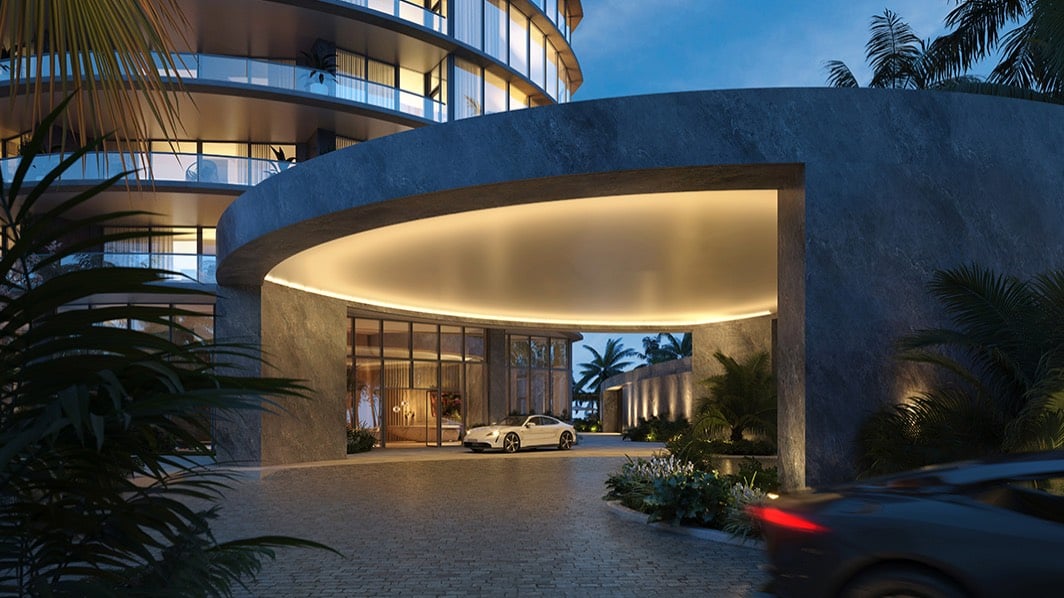
For the Bal Harbour buyer, luxury is increasingly measured before the residence is ever entered. The first impression is not only a lobby, a view, or a recognizable address. It is the sequence of arrival: how a vehicle approaches, who sees it, how guests are received, how staff movement is separated, and how calmly the resident transitions from public life to private space.
This is why security, discretion, and private arrival have moved from background expectations to central purchase criteria. In Bal Harbour conversations, the most sophisticated buyers are not asking for spectacle. They are asking for control. They want a residence that feels effortless, composed, and protected without broadcasting the systems that make it so.
That distinction matters. Visible security can reassure, but it can also create friction. The best luxury residential environments make protection feel ambient. Doors open at the right time. Staff anticipate without intruding. Visitors are processed without turning the home into a checkpoint. The experience feels residential, not institutional.
At the high end, security is less about a single feature than a series of layers. Buyers tend to study how a property handles the full journey from curb to private interior. Is there a clear arrival protocol? Are residents, guests, deliveries, and service providers guided through separate or carefully managed paths? Does the building feel controlled without feeling tense?
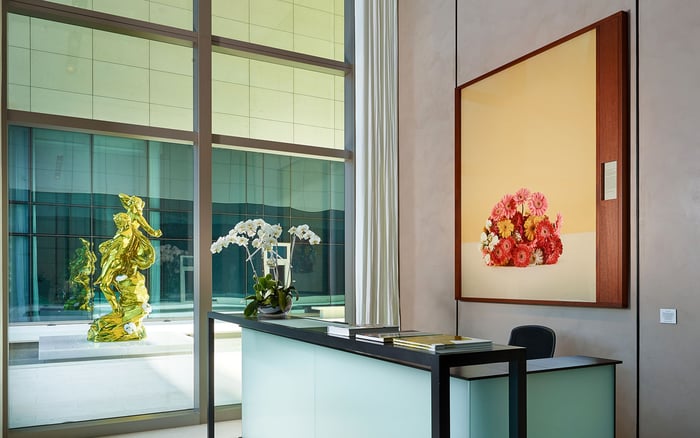
The strongest answers are often found in the operational details. A calm front desk, a well-proportioned entry, carefully managed access points, and a considered garage sequence may matter more than grand gestures. Buyers want confidence that the building can protect privacy on an ordinary Tuesday, not only during a formal showing.
This is also where comparisons become useful. A buyer considering Oceana Bal Harbour and Rivage Bal Harbour is not simply comparing names on a map. The meaningful exercise is to compare how each residence frames entry, movement, guest handling, and the separation between public and private zones.
Security, in this context, should not feel like resistance. It should feel like a quiet choreography that supports daily life.
Discretion is not the absence of design. It is design performing with restraint. For a Bal Harbour buyer, that can mean fewer visual interruptions, stronger acoustical separation, intuitive circulation, and interiors that allow entertaining without exposing the private quarters of the home.
Discretion also includes how a residence handles the practical realities of ownership. Where do packages arrive? How are household staff received? Can a private chef, wellness practitioner, or driver move through the property without disrupting the family’s living areas? Is there a clear path for guests that feels gracious rather than exposed?
These questions are not merely operational. They shape the emotional experience of a residence. A home that protects privacy allows its owner to relax. It reduces the small frictions that accumulate in daily life. It lets a public person, a multigenerational family, or a frequent host preserve a sense of calm.
Boutique properties can be especially compelling when they offer a quieter rhythm and a more intimate residential culture. Larger properties may offer deeper service infrastructure. Neither is automatically superior. The correct choice depends on whether the buyer values anonymity, breadth of service, fewer neighbors, or a more layered amenity environment.
Private arrival has become one of the clearest markers of serious luxury. It is not only about avoiding attention. It is about making arrival feel continuous, protected, and personal. The ideal sequence gives the resident a sense that the property has already absorbed the day’s complexity before the elevator doors close.
Buyers should observe how the building behaves at different times. Morning departures, weekend guest traffic, evening returns, and service windows can reveal more than a staged tour. A beautiful entrance that becomes congested under normal use may not deliver the discretion a buyer expects.
The garage is equally important. A residence may have an impressive lobby, but the owner may use the garage more often. Lighting, sight lines, elevator proximity, staff presence, and the feeling of enclosure all shape the private arrival experience. For some buyers, the path from vehicle to residence is the most important route in the building.
Oceanfront living adds another dimension. Views and beachfront access may define the romance of ownership, but arrival defines the daily discipline of it. Buyers who compare Bal Harbour with nearby Surfside often look at residences such as The Delmore Surfside and The Surf Club Four Seasons Surfside to refine what privacy, service, and coastal living should feel like in practice.
Bal Harbour does not exist in isolation for today’s buyer. Many searches extend naturally into Bay Harbor Islands and Surfside, especially when the buyer is weighing water orientation, scale, access, and the desired level of neighborhood quiet. The comparison is less about substituting one address for another and more about calibrating lifestyle.
A buyer looking at Bay Harbor Towers may be evaluating a different residential rhythm than a buyer focused strictly on Bal Harbour’s oceanfront corridor. The essential questions remain consistent: How private is the arrival? How visible is the resident’s movement? How well is guest access managed? How does the building preserve calm while still delivering service?
This is where a careful advisory process becomes valuable. A brochure can describe a residence, but it cannot fully reveal how a property lives. For privacy-focused buyers, the real work is in observing circulation, asking precise operational questions, and understanding whether the building’s culture aligns with the buyer’s expectations.
The most refined buyers approach security and discretion as part of the architecture of daily life. They ask about parking, elevator access, staffing, visitor protocol, package handling, service routes, and the feeling of the entry experience during normal building activity.
They also consider how the residence will function over time. A second-home owner may prioritize lock-and-leave simplicity. A full-time resident may care more about household operations, school-day traffic, and guest flow. A frequent entertainer may need separation between social spaces and family areas. A collector may focus on climate, access, and the movement of valuables.
The central question is simple: does the property make privacy feel natural? If the answer is yes, the home will likely feel more valuable every time the owner returns.
Why is private arrival so important in Bal Harbour? Private arrival shapes the first and last moments of daily life, giving residents a controlled transition from public exposure to personal space.
Is visible security always better for luxury buyers? Not necessarily. Many high-end buyers prefer security that is effective, layered, and discreet rather than visually dominant.
What should buyers observe during a property tour? They should watch the arrival sequence, garage access, elevator flow, guest handling, and the tone of staff interaction.
Does discretion depend more on design or operations? It depends on both. Architecture creates the framework, while staffing and protocols determine how privacy is protected each day.
Are boutique residences better for privacy? They can be, especially for buyers who value intimacy and fewer shared spaces. The best choice depends on the buyer’s lifestyle.
What role does the garage play in luxury living? The garage often becomes the owner’s primary entrance. Its privacy, lighting, access, and elevator connection can strongly influence daily comfort.
Should second-home buyers prioritize different features? Yes. They often focus on secure access, lock-and-leave simplicity, staff reliability, and a seamless arrival after travel.
How does oceanfront living affect privacy expectations? Oceanfront living adds beauty and exposure at once. Buyers should evaluate how the building manages access, circulation, and separation.
Is Bal Harbour mainly about address prestige? Address matters, but sophisticated buyers also study how the residence lives, protects privacy, and manages daily movement.
What is the best way to shortlist comparable options for touring? Start with location fit, delivery status, and daily lifestyle priorities, then compare stacks and elevations to validate views and privacy.
When you're ready to tour or underwrite the options, connect with MILLION.
If branded residences are on your mind — as a home or as an allocation — we would be glad to share what we are seeing, privately.
Begin a quiet conversation