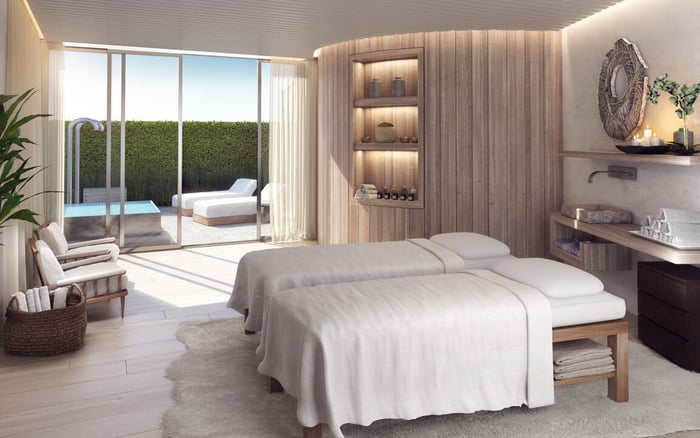
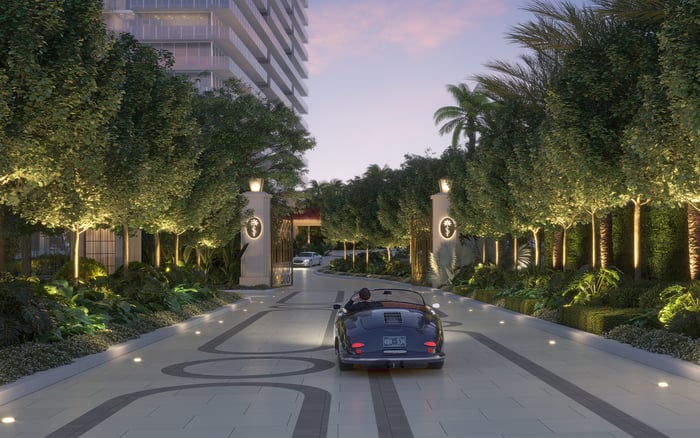
A buyer-focused guide to amenity-floor adjacency at Auberge Beach Residences & Spa Fort Lauderdale, with emphasis on seasonal use, privacy, circulation, spa and dining activity, pool interfaces, and long-term condominium operations.
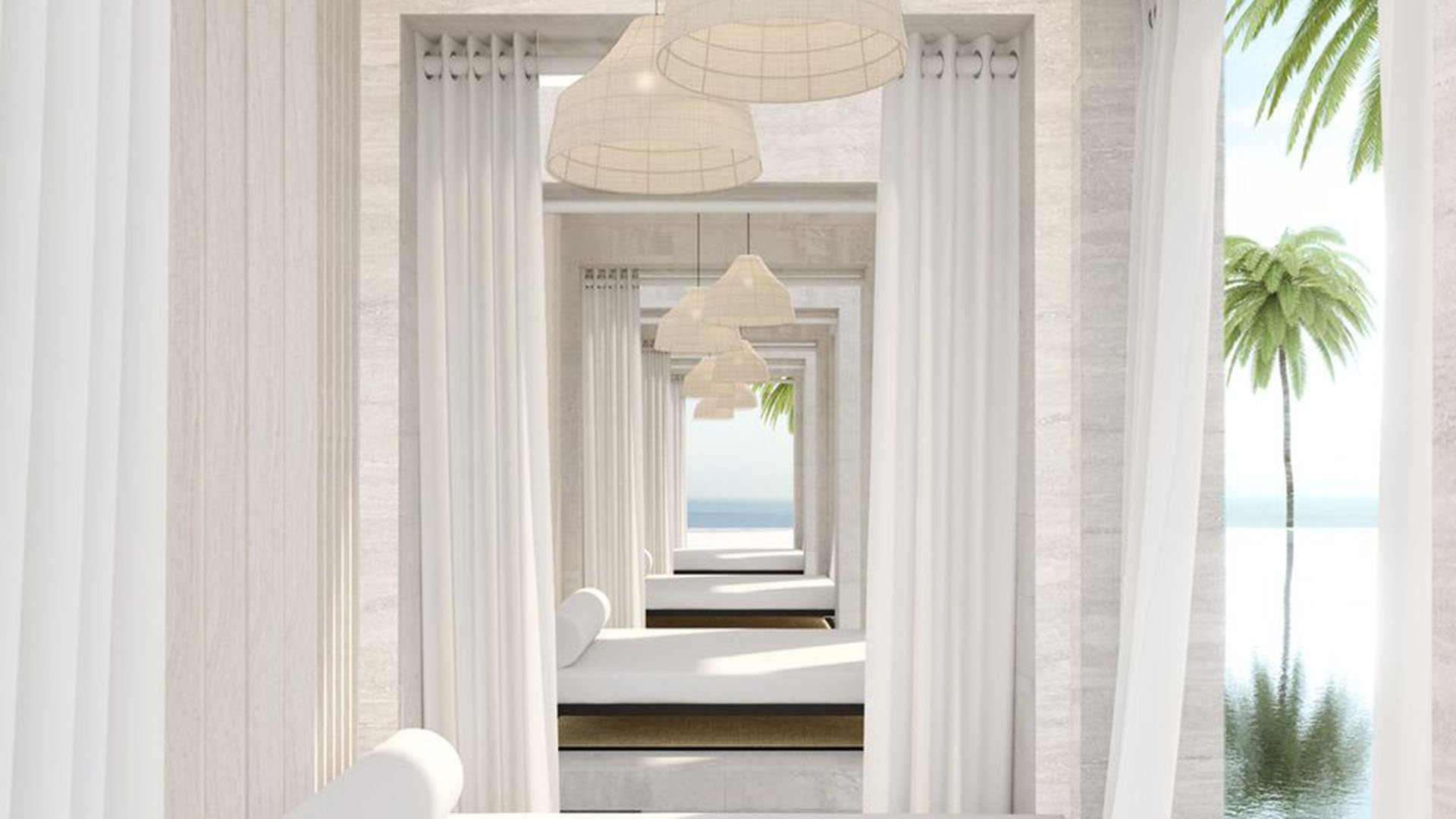
Auberge Beach Residences & Spa Fort Lauderdale sits in Fort Lauderdale’s North Beach area as a beachfront luxury condominium with direct Atlantic Ocean frontage, two glass-clad residential towers, and a lifestyle platform that feels closer to a high-touch boutique resort than a mass-market resort environment. For seasonal buyers, that distinction matters. The promise is not only a residence by the water, but a carefully serviced way of living by the water.
The nuance is adjacency. A residence near an amenity floor can feel wonderfully efficient during a short winter stay. The spa is close. The restaurant is close. The pool deck, concierge touchpoints, and beach interfaces are easier to reach. Yet the same proximity can shape the daily experience through hallway movement, elevator patterns, voices, operational activity, and the subtle sense that a private threshold sits near the building’s social current.
At Auberge Beach Residences & Spa Fort Lauderdale, the right answer is rarely universal. Amenity-floor adjacency should be treated as a due-diligence lens, not a default premium or an automatic discount.
Seasonal owners often use a residence differently than year-round residents. A winter owner may arrive for concentrated periods, entertain guests, book spa appointments, dine on property, move between the beach and the residence several times a day, and value convenience more intensely than someone living quietly through the summer months.
That is why amenity adjacency can be seductive. On arrival weekends, a shorter path to resort-style services can make the property feel effortless. For owners who plan to use the residence as a polished second home, proximity may reduce friction and make a brief stay feel complete from the first hour.
The counterpoint is equally important. Peak winter season may amplify the very conditions that adjacency makes visible. Seasonal occupancy is higher, local dining demand tends to rise, and tourism can increase activity around public-facing or semi-public spaces. Because the spa and signature restaurant concept may attract more than resident-only traffic, amenity-adjacent areas can experience patterns that differ from quieter residential corridors.
For Fort Lauderdale buyers comparing branded residential environments, including Four Seasons Hotel & Private Residences Fort Lauderdale, the practical question is not whether the amenities are luxurious. It is how the amenity ecosystem touches the specific residence under consideration.
Auberge’s appeal is rooted in oceanfront living: generous balconies, floor-to-ceiling glass, indoor-outdoor flow, and a visual connection to the Atlantic. The site is low-density and resort-like, with substantial beach area and curated landscaping. Those qualities create a setting in which access feels central to the ownership proposition.
But oceanfront convenience can take different forms. A residence with immediate amenity access may suit owners who want to move easily from morning coffee to the beach, from the spa to a terrace lunch, or from an evening reservation back upstairs without a long transition. For others, the more valuable luxury is separation: a quieter elevator bank, less foot traffic near the front door, and a clearer distinction between the shared resort realm and the private residence.
The essential review is sensory. Where are the active outdoor decks? Which exposures look toward gathering spaces? How close is the residence to amenity entries, service routes, elevator lobbies, and concierge areas? A line that appears convenient on a plan can feel different when tested against the rhythm of a Saturday afternoon in season.
The most important adjacency zones are the restaurant, full-service spa, pools, concierge areas, and beach-club interfaces. These are not interchangeable. Each produces a different pattern of movement and sound.
The pool environment is often daytime-oriented, social, and weather-sensitive. Activity can concentrate around towel service, outdoor decks, seating, and the transition from water to elevators. Spa adjacency may feel more composed, but it can still involve appointment traffic, staff circulation, and guests unfamiliar with residential boundaries. Restaurant adjacency may be elegant and highly convenient, especially for owners who entertain, but it can introduce evening movement and non-resident visitors.
Beach-access points deserve their own scrutiny. The beauty of direct Atlantic frontage is inseparable from the movement it creates. Owners should understand how residents and visitors circulate from lobby or amenity spaces to the sand, and whether a specific residence sits above, beside, or along that path.
Buyers also looking at Fort Lauderdale alternatives such as St. Regis® Residences Bahia Mar Fort Lauderdale and Riva Residenze Fort Lauderdale should apply the same discipline: lifestyle branding is only part of the analysis. Circulation is where the lived experience becomes specific.
A serious review should go beyond the residence itself. Buyers should study the floor plate as a privacy map. The relevant questions are simple, but they need precise answers.
Where do residents exit the elevators? Where do spa guests enter? How are restaurant patrons separated from residential areas, if at all? Where are service corridors, back-of-house movements, delivery paths, and staff transitions? How do outdoor amenity decks relate vertically and horizontally to the unit’s terrace? Does the residence look over an active social area, or does it angle toward a quieter ocean view?
Amenity-adjacent units may experience different conditions depending on floor line, exposure, usage pattern, and proximity to active zones. A residence near an amenity level but facing away from the primary activity may live very differently from one directly exposed to a terrace, pool edge, or key circulation node.
For seasonal buyers, timing also matters. A midday tour during a quiet period will not reveal the full winter pattern. The more refined approach is to imagine the residence during peak use: guests arriving, spa appointments turning over, restaurant demand rising, beach movement increasing, and residents returning from the pool.
The best questions are operational, not emotional. How is amenity access managed? Which areas are resident-only, which may be used by invited guests, and which may involve broader public-facing uses? How are service standards maintained over time? How does the condominium association oversee operations, access, and future adjustments to programming?
Auberge is primarily residential rather than a traditional hotel-condo model with heavy short-term rental turnover. That residential emphasis is meaningful, but it does not eliminate the need to understand amenity governance. A branded resort-style platform evolves through daily management, association decisions, and the expectations of owners.
Buyers should also consider resale perception. Some future purchasers will pay for convenience and immediacy. Others will prefer greater separation from amenity activity. The long-term value question is therefore not simply whether a unit is near amenities, but whether its adjacency is graceful, controlled, and legible.
Amenity-floor adjacency at Auberge should be priced in the mind before it is priced on paper. For the right buyer, proximity can be a genuine lifestyle advantage: fewer transitions, easier entertaining, spa access without ceremony, and a stronger sense of living inside a beachfront resort environment. For another buyer, the same position may compromise the quiet, privacy, and residential calm that define true luxury.
This is why the most sophisticated seasonal buyers do not ask whether adjacency is good or bad. They ask what kind of adjacency it is. Is it visual, acoustic, operational, or merely convenient? Is it close to active areas or only close to controlled access points? Does it serve the owner’s actual seasonal routine, or does it simply sound appealing in a sales conversation?
In the upper tier of South Florida real estate, the best residences are not only beautiful. They are correctly matched to how the owner lives. At Auberge, that means weighing the beach, the spa, the restaurant, the pools, the service platform, and the private arrival experience as one integrated composition.
Is amenity-floor adjacency always a premium at Auberge? Not necessarily. It can add convenience for seasonal stays, but privacy, sound, traffic, and exposure should be evaluated for the specific residence.
Which amenity areas deserve the closest review? Focus on the spa, restaurant, pools, concierge zones, beach-club interfaces, elevator lobbies, service routes, and outdoor decks.
Why does winter season change the analysis? Seasonal occupancy, tourism, dining demand, and guest activity can intensify the effect of being near active amenity areas.
Can amenity-adjacent residences still feel private? Yes, depending on exposure, circulation design, elevator placement, corridor layout, and how access is managed.
Should buyers review floor plans before touring? Yes. Floor plates help reveal how a residence relates to elevators, amenity entries, service movement, and outdoor gathering spaces.
Does the spa create different considerations than the pool? Yes. Spa traffic may feel quieter, while pool areas can produce more visible daytime movement and outdoor social activity.
Is restaurant proximity a benefit or drawback? It depends on the owner. Some value effortless dining access, while others may prefer more separation from evening activity.
Does Auberge function like a traditional hotel-condo? It is primarily residential rather than a traditional hotel-condo model with heavy short-term rental turnover.
What should long-term buyers ask about association control? They should understand how amenity access, service standards, operations, and public-facing uses may be managed over time.
What is the simplest rule for seasonal buyers? Buy the adjacency that matches your actual routine, not the one that merely sounds most convenient.
To compare the best-fit options with clarity, connect with MILLION.
If branded residences are on your mind — as a home or as an allocation — we would be glad to share what we are seeing, privately.
Begin a quiet conversation