A buyer-focused look at association governance at Onda Bay Harbor, including developer control, turnover diligence, vendor contracts, budget transparency, reserves, and why boutique waterfront ownership makes every board decision more visible.
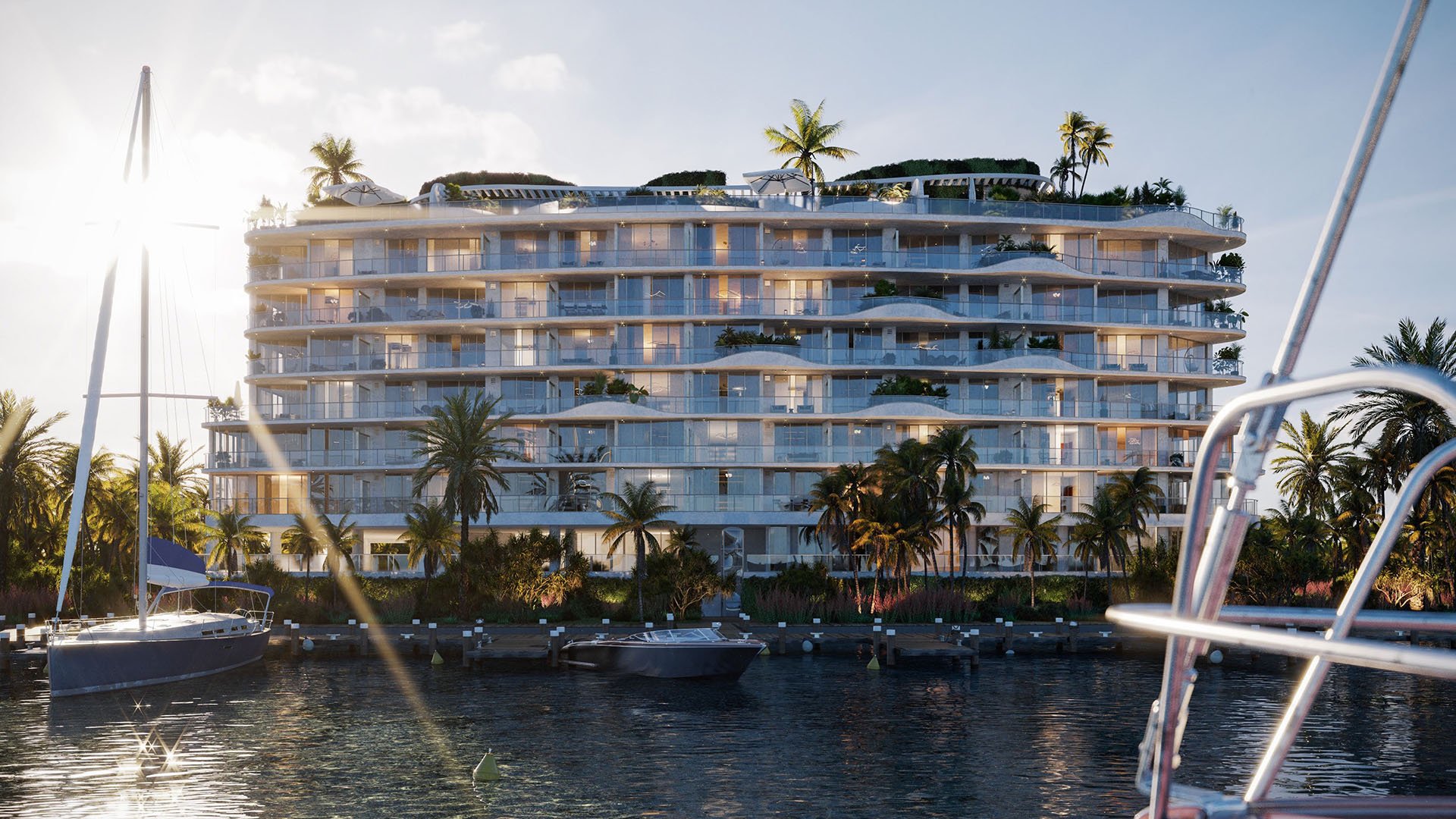
At Onda Bay Harbor, ownership is not only a question of architecture, water views, and privacy. It is also a question of how the condominium association is structured, funded, and managed over time. In a boutique luxury waterfront building, governance is not background noise. It sits close to the owner experience.
That proximity matters. A smaller ownership base can make association decisions feel more immediate than they might in a much larger Miami tower. Choices about staffing, amenity operations, management standards, maintenance timing, insurance, reserves, and vendor contracts can show up quickly in monthly assessments and in the day-to-day atmosphere of the property.
For South Florida buyers accustomed to underwriting location, finish quality, and views, association governance deserves the same level of attention. It helps determine whether the lifestyle promised at closing can be sustained with discipline after the first wave of ownership settles in.
During the early life of a new condominium, developer control of the association can influence vendor selection, service protocols, amenity operations, maintenance standards, and initial budget assumptions. That does not make developer control inherently problematic. It simply means buyers should understand which decisions have already been made, how long certain agreements may remain in place, and what flexibility owners will have after turnover.
This is especially relevant in the Bay Harbor Islands market, where boutique projects compete on privacy, design, and waterfront calm rather than sheer scale. Buyers comparing nearby residences such as Alana Bay Harbor Islands, La Maré Bay Harbor Islands, and Onda Bay Harbor are often weighing the intimacy of smaller buildings against the operating efficiency of larger associations.
In that context, board control is practical, not abstract. Who approves service standards? Who reviews maintenance performance? Who evaluates contracts? Who decides whether the association’s operating plan is conservative, lean, or aspirational? These questions are not legal formalities. They help define the ownership culture.
The transition from developer control to a resident-led board is one of the most important governance moments in a new condominium’s life. At a building such as Onda Bay Harbor, turnover can mark the point at which owner priorities become more central to the association’s agenda.
After turnover, resident boards often focus more heavily on long-term risk management, reserve planning, structural safety, operating discipline, lifestyle stability, and the review of inherited contracts. The tone of the building can shift from launch mode to stewardship mode. That shift is essential in a luxury setting, where owners expect high-quality management, careful maintenance, privacy, and consistent service.
Buyers should avoid treating turnover as a single event with a simple before-and-after effect. The more useful question is whether the association has the documents, records, expertise, and procedures needed to operate confidently after control changes. A well-organized turnover file can be as meaningful to an owner as a beautifully finished lobby.
Budget clarity is central to evaluating Onda Bay Harbor because assessments must support both daily operations and future maintenance obligations. Waterfront properties demand particular attention to building systems, exterior elements, and amenity areas exposed to coastal conditions. The cost of protecting the asset is part of the cost of enjoying it.
In a boutique condominium, operating costs and capital projects may be more visible on a per-unit basis. That does not mean the building is inefficient. It means the association must be especially clear about what the budget covers, what reserves are intended to address, what insurance assumptions are being made, and which services are considered essential to the luxury experience.
This is where the distinction between price and value becomes sharper. A lean budget may look appealing until it compromises maintenance or creates future pressure. A more robust budget may be easier to justify when it supports disciplined upkeep, service consistency, and owner confidence.
The Bay Harbor lens is straightforward: governance transparency can influence reputation, resale perception, and the long-term stability of a condominium as a luxury asset. That is true at Onda Bay Harbor and relevant across the broader boutique, waterfront, and new-construction landscape.
Vendor agreements are especially important in boutique luxury buildings because they shape both the owner experience and association expenses. Management, maintenance, security, amenity operations, cleaning, landscaping, and specialized service providers all influence whether the property feels polished or strained.
Developer-selected vendors and service agreements may remain relevant after turnover. Owners should understand contract terms, renewal provisions, termination rights, service benchmarks, and performance expectations. A contract that works during sales and delivery may not automatically match the preferences of a resident-led board.
Luxury buildings also tend to require specialized maintenance protocols, warranties, operating manuals, and capital-replacement planning. Finishes, mechanical systems, waterfront exposure, and amenity spaces need more than reactive attention. They need a governance culture that treats preservation as part of the property’s identity.
Buyers looking at other boutique or waterfront addresses, including Bay Harbor Towers and The Well Bay Harbor Islands, may find the same principle applies: service quality is only as strong as the association structure supporting it.
Prospective buyers at Onda Bay Harbor should request and review the association budget, reserve information, governing documents, meeting minutes, insurance details, and any turnover-related records before purchase. This review deserves the same seriousness as title, financing, inspection, and closing logistics.
Key areas include the current and projected budget, reserve philosophy, insurance obligations, owner assessment history if available, vendor contracts, management scope, rules and regulations, warranty materials, and any documentation related to the transition from developer control to resident governance. Buyers should also ask how maintenance responsibilities are allocated between unit owners and the association.
Legal and accounting advisors can help interpret what the documents mean. The goal is not to search for imperfection. The goal is to understand the operating model before becoming part of it.
In the ultra-premium market, discretion and transparency are not opposites. A well-run association can be private, orderly, and clear at the same time. Owners do not need drama. They need confidence that the building is being operated with discipline.
At Onda Bay Harbor, governance transparency can influence owner confidence, building reputation, and perceived resale stability. A buyer may fall in love with the waterfront setting, but the association determines how that setting is protected. Board control, turnover readiness, and budget clarity are therefore not secondary concerns. They are part of the architecture of ownership.
Why does association governance matter at Onda Bay Harbor? Governance can affect assessments, service quality, maintenance standards, and resale perception, making it central to ownership evaluation.
Is developer control automatically a concern for buyers? No. Developer control is typical in the early life of a new condominium, but buyers should understand which decisions and contracts may carry forward.
What is developer turnover? Developer turnover is the transition from developer control of the association to a resident-led board, often accompanied by important records and responsibilities.
Why is budget clarity especially important in a boutique building? A smaller ownership base can make operating costs and capital projects more visible per unit, so the budget should be clear and realistic.
What documents should a buyer request before purchasing? Buyers should review budgets, reserve information, governing documents, meeting minutes, insurance details, vendor contracts, and turnover-related records.
How does the waterfront setting affect governance? Waterfront exposure can increase the importance of long-term maintenance planning for exterior elements, building systems, and amenity areas.
Why do vendor contracts matter after turnover? Vendor contracts can shape service quality and expenses, and some agreements selected early may remain in place after residents assume control.
Can governance influence resale perception? Yes. Transparent governance and disciplined budgeting can support buyer confidence and the perceived stability of a luxury condominium.
Should buyers rely only on monthly assessment amounts? No. Buyers should understand what assessments cover, whether reserves are addressed, and how future maintenance obligations may be funded.
Who should help review association documents? Buyers should consider experienced legal, accounting, and real estate advisors who understand Florida condominium ownership and luxury building operations.
For a discreet conversation and a curated building-by-building shortlist, connect with MILLION.
If branded residences are on your mind — as a home or as an allocation — we would be glad to share what we are seeing, privately.
Begin a quiet conversation