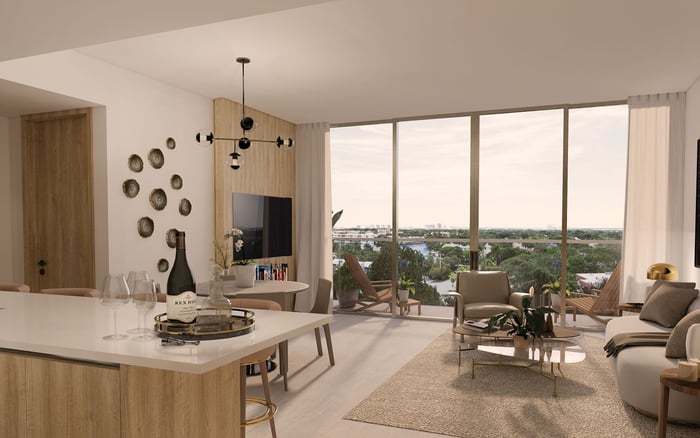
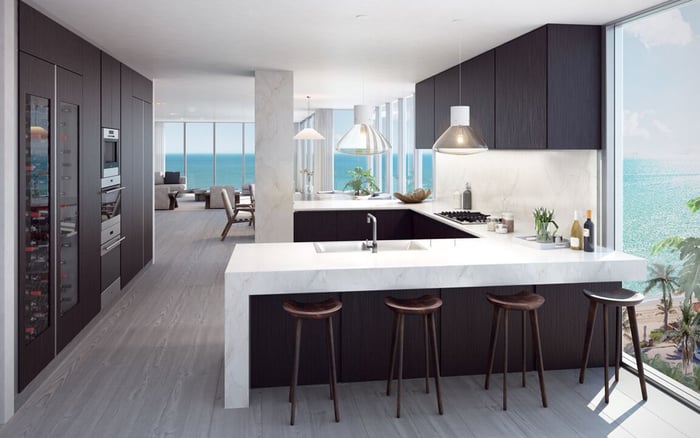
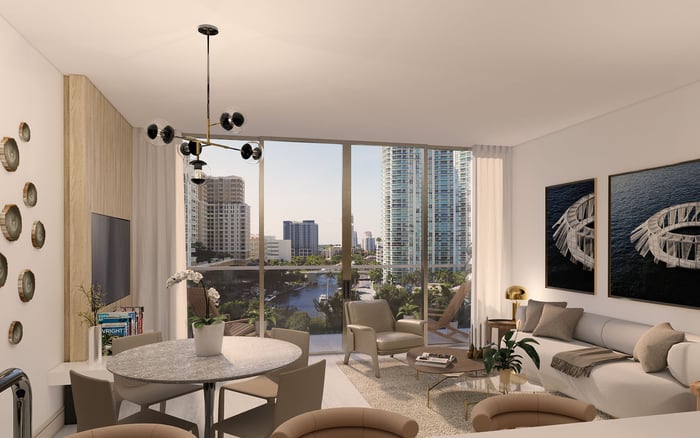
At Auberge Beach Residences & Spa, orientation is a daily-use decision as much as a view decision. Buyers should verify the exact residence, terrace, and sightlines, then experience the home in morning and late-afternoon light before weighing its resale story.
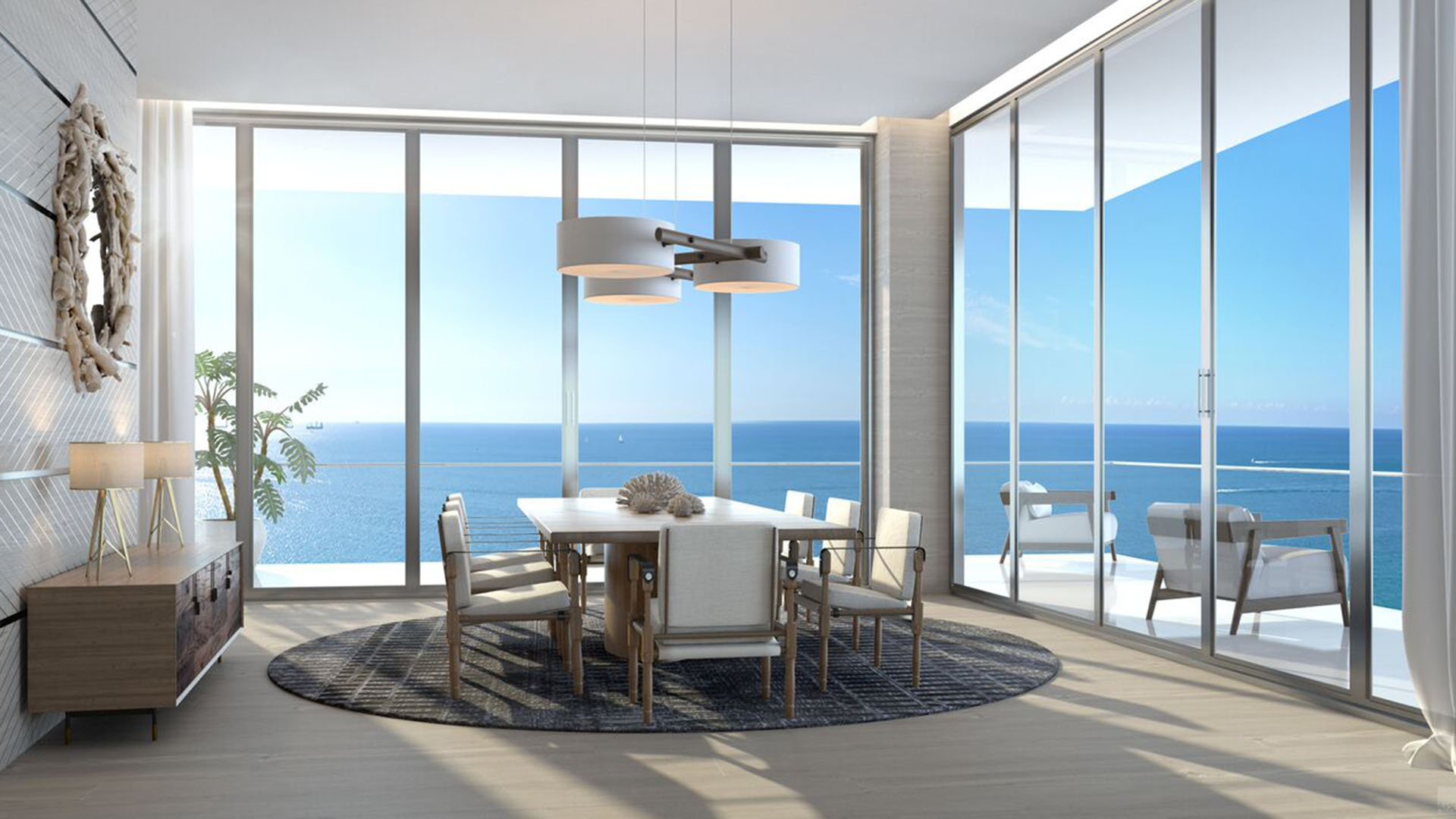
At Auberge Beach Residences & Spa Fort Lauderdale, the path of the sun can matter as much as the view itself. A residence may photograph beautifully while delivering a pattern of light, shade, glare, and terrace use that does not match the buyer’s routine.
The practical question is not simply whether a home has a water view. Buyers should determine when natural light enters the principal rooms, where direct sun reaches the interior, how the terrace feels at the times they expect to use it, and whether the sightlines remain satisfying from both seated and standing positions.
The most valuable exposure is the one that supports how the owner plans to use the residence.
Orientation should therefore be evaluated at the residence level. Floor plan, corner position, glazing, terrace depth, overhangs, window treatments, nearby structures, and furniture placement can all affect the experience. Marketing language is a starting point, not a substitute for an in-person review.
Buyers who picture coffee, exercise, or breakfast outdoors should schedule a morning visit. An east-oriented outlook may place sunrise and early brightness at the center of the day, while southeast exposure may create a different balance of direct and indirect light. The exact result must be confirmed inside the residence and on its outdoor spaces.
During the visit, move through the living room, kitchen, primary bedroom, and terrace rather than assessing the view from one dramatic position. Observe where light falls, whether reflections affect screens or glass, and how much of the seating area is shaded. A view that feels expansive from the living room may present differently from the bedroom or a seated terrace position.
Buyers comparing other Broward waterfront properties, including Rosewood Residences Hillsboro Beach, can apply the same residence-specific test. A project name or waterfront setting does not determine the precise conditions within an individual home.
Sunset-oriented outlooks can create an appealing evening setting, but they should be tested when late-day exposure is most relevant. Return during the afternoon and remain long enough to understand how conditions change across the living area and terrace.
Stand near the glazing and in each intended outdoor seating zone. Check whether direct light reaches the interior, whether glare affects the room, and whether an overhang or other architectural element shades the usable portion of the terrace. Window treatments and furniture placement may help manage comfort, but buyers should not assume that a future adjustment will resolve every concern.
This review is equally useful when comparing Auberge with Four Seasons Hotel & Private Residences Fort Lauderdale. Two homes with attractive water outlooks may support very different afternoon routines because their exposures and outdoor configurations differ.
Corner and flow-through layouts deserve attention from buyers seeking varied light or more than one view direction. These configurations may create a broader visual experience, but the label alone does not guarantee sunrise, sunset, cross-views, privacy, or comfortable outdoor use.
Walk the complete floor plan and identify which rooms connect to each exposure. Determine whether the layout genuinely links multiple outlooks or whether one direction is visible only from a limited area. Buyers should also verify how doors, walls, furnishings, and circulation routes affect the practical relationship between indoor and outdoor spaces.
The same framework can guide a comparison with St. Regis® Residences Bahia Mar Fort Lauderdale. The goal is not to favor one directional exposure automatically, but to understand which configuration best supports the buyer’s preferred schedule and use of the home.
Orientation contributes to a residence’s resale narrative, but it should not be treated as a stand-alone valuation formula. Layout, condition, privacy, floor level, terrace usability, and the quality and durability of sightlines all remain relevant to how a future buyer may perceive the home.
A clear and verifiable lifestyle story can make a residence easier to understand. Morning light, an evening outlook, a shaded outdoor area, or multiple view directions may each appeal to a different audience. The strongest positioning describes what the home actually delivers without relying on broad claims that cannot be confirmed from the residence itself.
Buyers should compare homes with similar physical attributes rather than relying on a project-wide generalization. If orientation appears to influence the asking price, request comparable evidence that isolates the differences among the residences being evaluated. The purpose is to distinguish a personally desirable feature from one that the broader resale market is also likely to recognize.
Use the first appointment to study morning conditions. Record the direction of the principal views, the brightness of key rooms, terrace shade, reflections, privacy, and any obstruction that photographs may minimize. Confirm that the areas used most often receive the exposure the buyer expects.
Use the second appointment to evaluate late-afternoon conditions. Check glare, warmth near the glazing, shaded seating depth, and whether the terrace remains comfortable for the intended routine. If the home has more than one exposure, walk between them and consider how naturally the floor plan connects the different outlooks.
Before making a decision, ask for written confirmation of the residence identifier, floor plan, directional exposure, included outdoor areas, and any feature material to the purchase. Buyers should also separate permanent attributes, such as orientation and layout, from elements that can be changed, such as furnishings or window treatments.
Finally, rank the trade-offs according to actual use. A buyer focused on mornings may value early light differently from someone who entertains near sunset. A second-home buyer may have a different schedule from a full-time resident. The right choice is the residence whose verified conditions fit both daily expectations and a credible future resale narrative.
For discreet guidance on comparing orientation, terrace use, and value at Auberge, consult MILLION.
If branded residences are on your mind — as a home or as an allocation — we would be glad to share what we are seeing, privately.
Begin a quiet conversationOrientation affects when light enters, which outlooks dominate, and how interior and outdoor spaces feel during the day.
An east or southeast orientation may suit sunrise-focused buyers, but the precise experience should be verified in the individual residence.
No. Buyers should confirm the direction, breadth, privacy, and room-by-room visibility of the actual sightlines.
Visit in late afternoon and check direct light, glare, shade, warmth near the glazing, and the comfort of intended seating areas.
Yes. Their depth and position may influence shade, so buyers should inspect how they perform at relevant times of day.
Corner layouts may provide varied light and broader outlooks, although their precise benefits depend on the individual floor plan.
Confirm which rooms connect to each exposure and whether the layout provides practical access to more than one outlook.
A morning visit and a late-afternoon visit can reveal meaningful differences in light, glare, shade, and terrace conditions.
No. Orientation is one factor alongside layout, condition, privacy, floor level, terrace usability, and sightlines.
Confirm the residence identifier, floor plan, directional exposure, outdoor areas, and any feature considered material to the purchase.