A discreet buyer’s guide to the overlooked residence details that matter when art, interiors, and climate-sensitive possessions are part of a Palm Beach acquisition.

In Palm Beach, the most sophisticated buyers are often not asking only about views, terraces, finishes, or arrival sequence. They are asking how a residence will behave after closing, especially when the home is expected to hold important art, rare books, couture, wine, archival photography, design objects, or heirloom furnishings. For this audience, beauty is only the beginning. Stewardship is the measure.
The fine print can determine whether a home is merely impressive or genuinely suited to careful ownership. A floor plan may read gracefully, yet offer limited wall space for large works. A glass exposure may feel cinematic, yet raise questions about glare, heat gain, and light management. A storage room may be described as private, yet still require review for access, ventilation, security, and building rules.
This is especially relevant for Palm Beach and West Palm Beach buyers considering residences for full-time use, seasonal living, or second-home ownership. The goal is not to turn a home search into a technical audit. It is to know which questions to ask early, before the emotional momentum of a purchase overtakes the practical details that protect what will live inside the home.
The best acquisition strategy begins with an inventory of what the residence must support. A buyer who owns paintings, sculpture, photography, antiques, high-value fashion, or temperature-sensitive materials should consider the home as a private environment rather than a generic luxury address.
That means thinking beyond square footage. Where will large works be placed without direct sun exposure? Can sculpture move through elevators, corridors, doors, and service areas without risk? Are there rooms that can serve as quiet holding areas during installation, framing, conservation visits, or seasonal rotation? Is there enough separation between entertainment zones and preservation zones?
When touring residences such as Palm Beach Residences, buyers should treat the visit as both an aesthetic experience and a logistical walk-through. The question is not simply whether the home is beautiful. It is whether the home can be lived in elegantly without forcing valuable possessions into compromised spaces.
Luxury buyers often focus on purchase agreements and closing timing, yet the condominium declaration, house rules, alteration policies, insurance requirements, and move-in procedures may be just as consequential for collectors. These documents can shape what may be installed, how vendors access the property, what approvals are needed, and whether specialized work can occur on a buyer’s preferred schedule.
Art installation is rarely just hanging a painting. It may involve blocking, backing, anchors, lifts, crates, service elevators, protective floor covering, security coordination, and multiple vendors moving through controlled areas. Buyers should ask how the building handles deliveries, insurance certificates, contractor approvals, elevator reservations, loading access, and after-hours work. A residence may be private, but shared infrastructure still matters.
This is where counsel, a trusted advisor, and a qualified installer can add value before closing. Reviewing rules in advance can reveal whether the building’s rhythm suits a buyer’s ownership style. For Palm Beach buyers who prize discretion, the most elegant outcome is often the least visible one: a carefully planned installation that never feels disruptive.
Lighting is one of the most misunderstood details in a high-end residence. Buyers may admire dramatic ceiling heights, walls of glass, and evening ambience, but collection-minded ownership requires more nuance. Light affects how art is seen, how interiors feel, and how sensitive materials age over time.
A thoughtful buyer should evaluate natural light, artificial light, control systems, fixture placement, ceiling conditions, shade pockets, and the possibility of layered scenes. The goal is not to create a museum. It is to create a residence where living, entertaining, and preservation can coexist. Art should be visible without being overexposed. Rooms should feel warm without relying on harsh illumination. Daylight should be celebrated without allowing glare to dominate the experience.
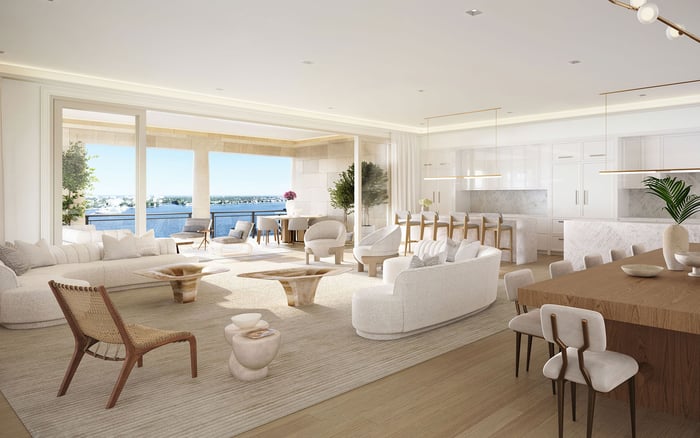
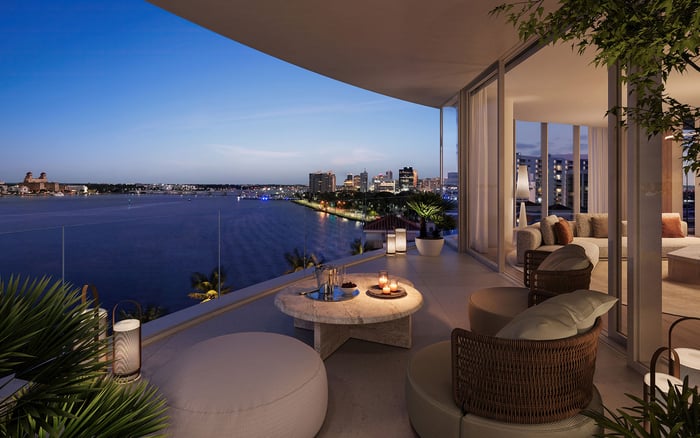
In residences near the water, waterfront expectations often emphasize openness and view corridors. That can be magnificent, but it also makes shade strategy, glazing review, and interior planning more important. Buyers comparing waterfront homes should consider how the strongest views interact with the strongest walls. A perfect panorama may not be the ideal backdrop for every piece in a collection.
Climate control should never be treated as a single-thermostat conversation. A residence may feel comfortable during a showing while still requiring deeper review for humidity consistency, air distribution, ventilation, filtration, mechanical redundancy, and the performance of closets, storage rooms, corridors, and less frequently used spaces.
For buyers with important possessions, the question is whether the home can maintain stable conditions in the areas that matter most. Primary living areas, display walls, dressing rooms, storage rooms, wine areas, offices, and guest suites may all behave differently. A rarely opened room can be precisely where a collection item is stored, which makes its actual performance important.
Ask whether mechanical systems are centralized or dedicated, how maintenance is handled, what controls are available to the owner, and whether any spaces require supplemental solutions. In a seasonal home, also ask how the residence is monitored when unoccupied. A careful buyer does not assume that luxury automatically equals preservation. The best homes make comfort feel effortless because the systems behind that comfort have been understood.
The phrase “storage” can mean many things. It may refer to a private cage, an in-residence utility room, a climate-influenced space, a building storage area, or simply cabinetry. For art and collectible ownership, those distinctions matter.
A buyer should clarify where storage is located, who can access it, whether it is deeded or assigned, how it is ventilated, what the rules allow, and whether the building restricts certain materials. A storage area that works for golf clubs or luggage may not be appropriate for framed works, archives, textiles, or delicate objects.
For residences in West Palm Beach, including options such as Forté on Flagler West Palm Beach, the storage conversation should be tied to lifestyle. If the home will support seasonal arrivals, rotating wardrobes, gallery purchases, and entertaining inventory, the storage plan should be deliberate. The most luxurious storage is not merely abundant. It is legible, secure, accessible, and appropriate to what it holds.
Design & Architecture decisions can determine whether a residence lives well for an owner with objects of importance. Buyers should look at wall continuity, ceiling height, door swings, built-in millwork, lighting tracks, outlet placement, structural limitations, and the path from entry to main rooms. The best wall in the apartment may be interrupted by a vent, switch bank, television niche, or concealed door.
This is not a reason to reject a home. It is a reason to study it with intention. A designer can help assess where art can be placed, where furniture will protect circulation, and where the residence may require subtle modifications. A conservator or specialty installer can identify risks that a standard showing would not reveal.
The strongest advice is often simple: decide what cannot be compromised before falling in love with what can be changed. Paint color can be revised. A difficult loading path, limited wall depth, or restrictive alteration rule may be much harder to solve.
Before contract, buyers should request clarity on building rules, installation protocols, insurance obligations, storage definitions, mechanical maintenance, service access, and alteration approvals. The answers may not be dramatic, but they are often revealing.
Ask whether the building has procedures for large-format deliveries. Ask how vendors are approved. Ask whether there are restrictions on drilling, anchoring, or modifying walls and ceilings. Ask whether shades, lighting, and control systems can be customized. Ask what happens during power interruptions, extended absences, or maintenance events.
For buyers considering branded or service-oriented residences such as The Ritz-Carlton Residences® West Palm Beach, the service culture may be part of the appeal, but the private residence documents still deserve the same careful reading. Hospitality and ownership are related, not identical. The fine print explains where one ends and the other begins.
Should art storage be reviewed before making an offer? Yes. Buyers should understand whether storage is private, secure, accessible, and suitable for the specific items they plan to keep there.
Is natural light always a problem for art? Not necessarily. The issue is control, including shades, glazing, placement, and the ability to manage glare and exposure.
Can a luxury residence still need supplemental climate planning? Yes. Even refined homes may require room-by-room review for humidity, air movement, storage conditions, and seasonal monitoring.
What documents should careful buyers read closely? Review condominium documents, house rules, alteration policies, insurance requirements, move-in procedures, and vendor access rules.
Who should inspect a home for collection readiness? A designer, specialty installer, conservator, mechanical advisor, and attorney can each review a different part of the risk profile.
Do service elevators matter for art owners? Yes. Elevator size, reservation policies, loading access, and protective procedures can affect safe delivery and installation.
Should lighting be evaluated during more than one showing? Ideally, yes. Seeing the residence at different times can reveal glare, shadow, brightness, and the usefulness of control systems.
Is in-residence storage better than building storage? It depends on access, climate, security, and use. The label matters less than the actual conditions and rights attached to the space.
Can alteration rules affect art installation? Yes. Rules may influence drilling, anchoring, ceiling work, shade installation, lighting changes, and vendor scheduling.
What is the best way to shortlist comparable options for touring? Start with location fit, delivery status, and daily lifestyle priorities, then compare stacks and elevations to validate views and privacy.
For a confidential assessment and a building-by-building shortlist, connect with MILLION.
If branded residences are on your mind — as a home or as an allocation — we would be glad to share what we are seeing, privately.
Begin a quiet conversation