A discreet design language can be a powerful differentiator in Brickell. This article examines why Japanese-inspired minimalism may resonate at 619 Brickell, from spatial clarity and natural materials to buyer psychology, quiet luxury, and the competitive logic of standing apart in Miami’s dense high-rise market.
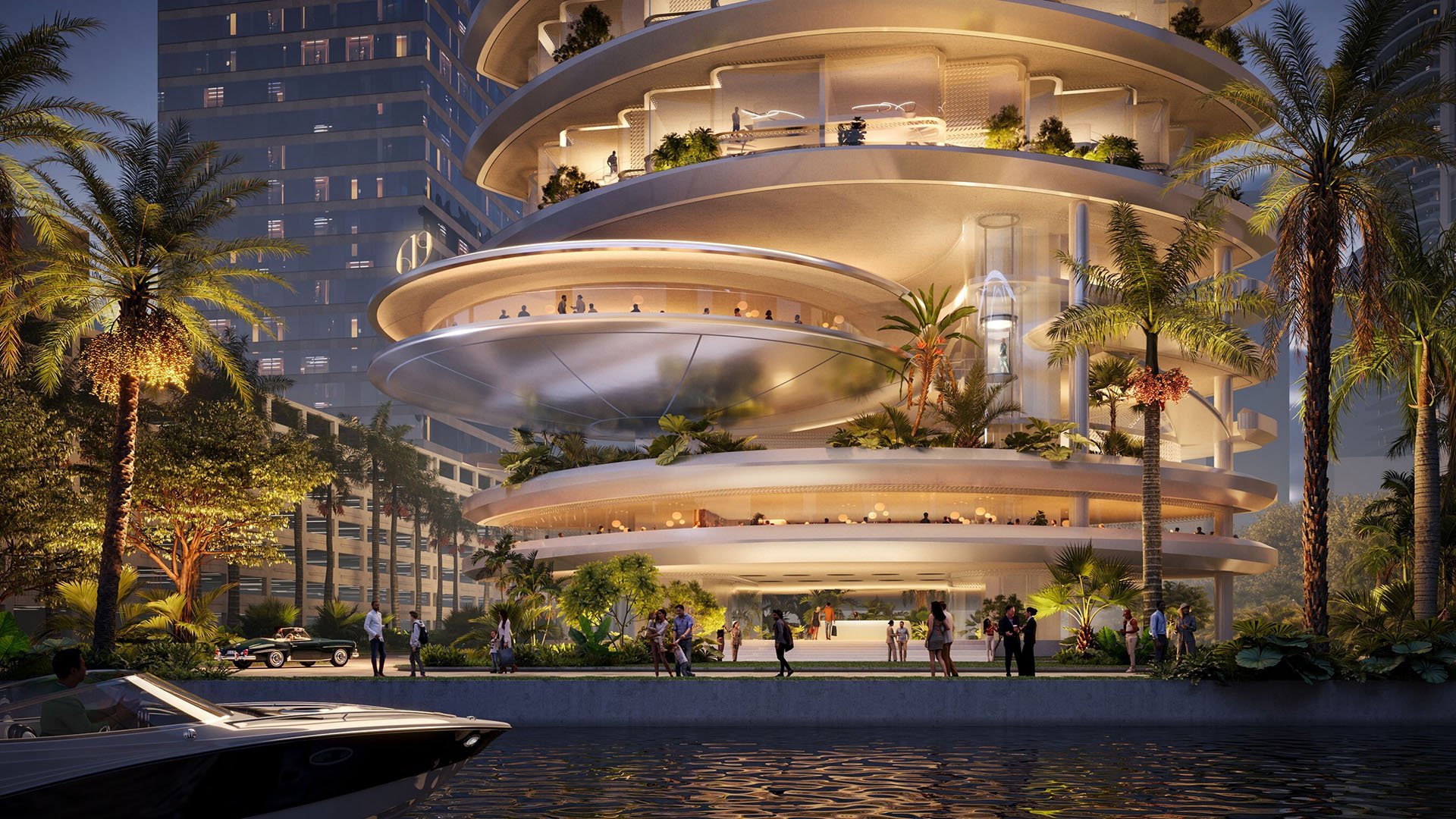
In Miami, luxury residential design often competes through spectacle. Sculptural silhouettes, glossy finishes, and highly expressive interiors have long defined the city’s upper tier. That is precisely why a quieter architectural vocabulary can feel so compelling. The appeal of 619 Brickell seems to lie in that contrast: a Japanese-inspired minimalist sensibility that favors proportion, calm, and visual discipline over overt display.
For design-minded buyers, this is not a secondary detail. In a market as crowded and image-conscious as Brickell, architecture is part of the asset itself. A tower with a distinct spatial identity can create stronger emotional recognition than one that follows a generic contemporary formula. In Brickell, where density, walkability, and vertical living shape daily life, minimalist design also feels especially relevant. It suits the neighborhood’s urban tempo by reducing friction, simplifying movement, and making space feel intentional rather than merely decorative.
That makes 619 Brickell - NOBU an intriguing proposition within the broader Brickell conversation. Rather than competing through visual noise, it suggests a more collected, design-literate expression of luxury.
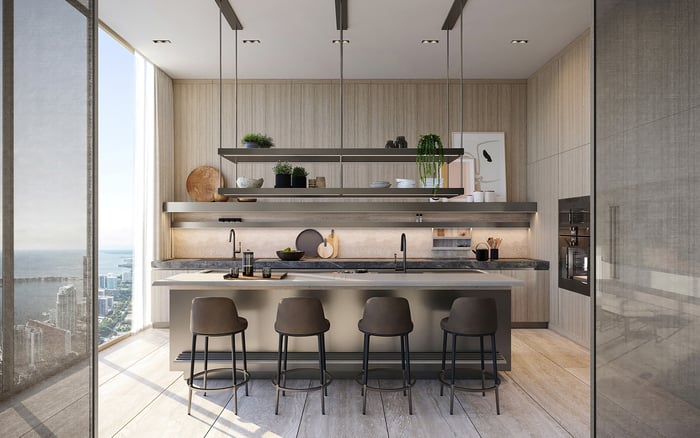
Japanese-inspired minimalism is often mistaken for austerity. In premium residential design, it is closer to precision. Its defining traits are clean lines, restrained forms, reduced visual clutter, and an emphasis on spatial clarity. Ornament becomes secondary to composition. Rooms are shaped to feel calm and legible, with long sightlines and fewer unnecessary partitions.
Open planning is central to that effect. When interior divisions are reduced, light travels farther and the home reads as more expansive. The result is not emptiness, but continuity. In a high-rise setting, that continuity can be especially effective, allowing views, daylight, and the changing atmosphere outside to become active parts of the interior experience.
Materiality matters just as much. Stone, wood, and glass are especially important to this design language because they introduce warmth without overwhelming the eye. In luxury homes, these materials do not need to be excessive to signal quality. Used selectively, they can convey craftsmanship and refinement more convincingly than heavily layered finishes. That logic aligns closely with the current preference for quiet luxury: understatement, tactile richness, and confidence without theatricality.
In that sense, 619 Brickell’s apparent design positioning reflects a larger shift in Miami. Refined, design-led residences are increasingly prized not because they shout, but because they edit.
The strongest case for minimalist architecture at 619 Brickell is not purely visual. It is behavioral. Buyers in the luxury market often say they want elegance, but what many actually respond to is ease. Clear planning, natural light, uncluttered circulation, and a coherent materials palette all reduce visual fatigue. A residence feels composed before a single furnishing is placed.
That can be especially appealing to international and design-conscious buyers, both of whom have long played an outsized role in Miami real estate. A globally legible design language tends to travel well. Japanese-inspired minimalism communicates sophistication across cultures because its values are widely understood: restraint, craftsmanship, serenity, and function. It does not rely on local stylistic codes to feel premium.
For a buyer comparing product in Downtown and Brickell, that distinction can matter. A more expressive residence may make an immediate impression, but a more disciplined one often wears better over time. That is one reason certain neighboring projects with strong design identities, such as The Residences at 1428 Brickell and Una Residences Brickell, remain useful reference points in the area’s premium conversation. They show how architecture, not just amenity count, helps shape desirability.
In a high-rise market with substantial inventory and continual new development, differentiation is not cosmetic. It is strategic. Buyers shopping in the upper-mid to luxury bands are not simply purchasing square footage or skyline views. They are buying a point of view. A project with a clear design philosophy is easier to understand, easier to remember, and often easier to position in resale.
That does not mean minimalist architecture automatically outperforms more expressive design. It means that in a crowded field, coherence becomes valuable. If 619 Brickell is read as a minimalist alternative to more ornamental luxury product, that identity alone can help it occupy a more distinct lane.
This is where Brickell becomes particularly important. The neighborhood is dense, highly walkable, and shaped by condominium living. Efficiency is not an abstract virtue there; it is part of the lived appeal. Homes that feel uncluttered and intelligently planned fit naturally into that environment. They support a lifestyle where residents move fluidly between residence, office, dining, and wellness routines without needing excess space to validate luxury.
Projects such as 2200 Brickell and Baccarat Residences Brickell illustrate how varied the neighborhood’s premium vocabulary has become. Against that backdrop, a Japanese-inspired minimalist position can feel less niche than timely.
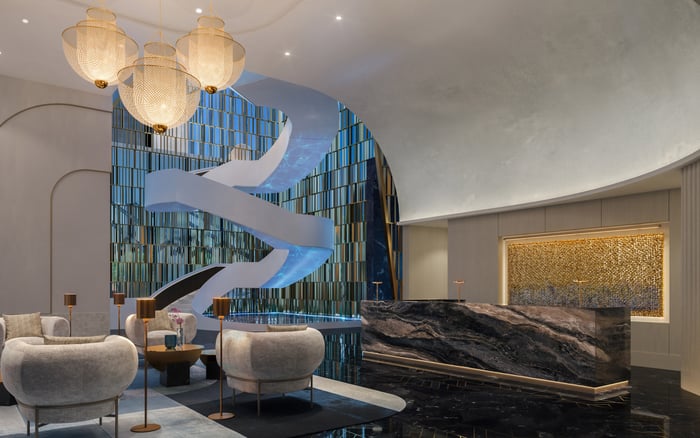
Minimalist architecture is most persuasive when it extends beyond the residence itself. If the same principles appear in lounges, wellness areas, spa settings, and fitness spaces, the project feels whole. Common areas stop reading as disconnected amenity packages and begin to function as part of a unified residential brand.
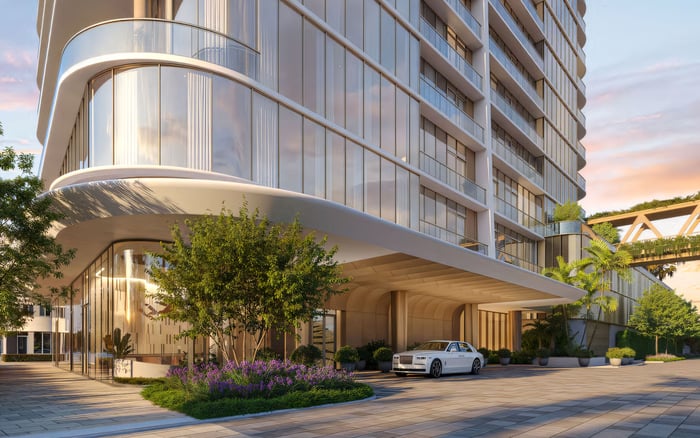
That matters in new-construction, where buyers are increasingly sensitive to whether a building’s concept carries consistently from the arrival sequence to the private interior. A calm lobby, a carefully edited material palette, and visually quiet amenity spaces can elevate the experience as effectively as a longer list of features. In many cases, less variety creates more luxury because the building feels considered.
This is also where Japanese-inspired minimalism has a subtle advantage. It allows premium materials to carry meaning. Instead of decoration doing the work, texture, craftsmanship, joinery, and proportion become the experience. For residents, that often translates into a more enduring sense of value. The design is less likely to date quickly because it relies on fundamentals rather than trends.
For all the appeal of the concept, buyers should still separate design interpretation from fully verified project detail. Publicly available discussion around 619 Brickell supports the broader architectural reading more clearly than exact specifics such as unit mix, pricing, or delivery status. That makes official project materials and current listing-level disclosures especially important for anyone evaluating the opportunity seriously.
Even so, the design thesis is legible. In a market where many towers seek attention through complexity, 619 Brickell appears compelling for the opposite reason. It suggests that luxury can be quieter, more deliberate, and more spatially intelligent. For a certain buyer, that is not a compromise. It is the point.
The lasting appeal of this architecture lies in the discipline of what it leaves out. Not every luxury purchaser wants a maximal gesture. Some want calm, daylight, material honesty, and rooms that feel resolved. In investment terms, that can also be meaningful: residences with a clear identity often remain more memorable when buyers revisit the market.
For Brickell, where global demand, vertical density, and design competition intersect, Japanese-inspired minimalism feels unusually well suited to place. It offers urban luxury without visual excess, and sophistication without strain.
What makes Japanese-inspired minimalist architecture appealing at 619 Brickell? Its appeal lies in calm spatial planning, restrained materials, and a quieter expression of luxury that stands apart in Brickell.
Is minimalist design the same as simple or inexpensive design? No. In luxury housing, minimalism can feel highly premium when superior materials and craftsmanship are used with restraint.
Why does this aesthetic work in Brickell? Brickell’s dense, walkable, high-rise environment rewards efficient layouts, uncluttered living, and strong connections to light and views.
Does minimalist architecture make homes feel smaller? Often the opposite. Open plans, fewer partitions, and long sightlines can make interiors feel more expansive.
Who is most likely to respond to this design language? Buyers who value sophistication, function, and understated luxury are typically the strongest audience.
How does quiet luxury relate to 619 Brickell’s appeal? Quiet luxury favors subtle richness and craftsmanship, which aligns closely with Japanese-inspired minimalist design.
Can this architectural identity help resale positioning? It can. A distinctive and coherent design concept is often easier for buyers to remember in a competitive market.
Should buyers verify project specifics separately from the design concept? Yes. Exact details such as pricing, unit mix, and timing should be confirmed through official project and listing materials.
Do amenities matter in a minimalist building? Absolutely. When lounges, spa areas, and fitness spaces share the same design discipline, the whole project feels more elevated.
Is this style likely to feel dated quickly? Usually less so than trend-driven interiors, because it relies on proportion, natural materials, and clarity rather than ornament.
For a confidential assessment and a building-by-building shortlist, connect with MILLION Luxury.
If branded residences are on your mind — as a home or as an allocation — we would be glad to share what we are seeing, privately.
Begin a quiet conversation