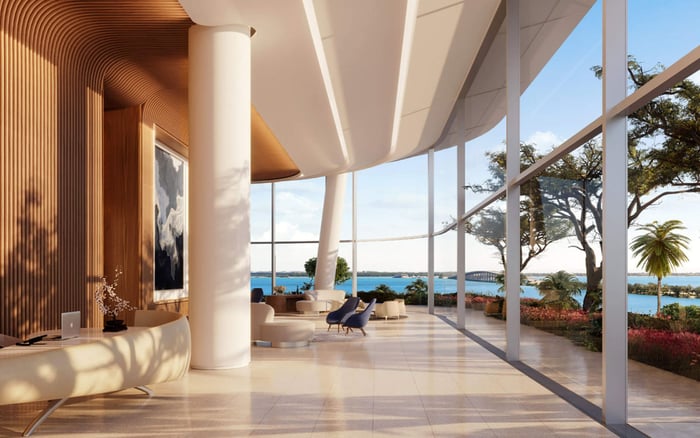
A collector-focused due-diligence framework for evaluating light, display walls, environmental controls, security, and art-handling logistics at The Residences at Mandarin Oriental, Miami.
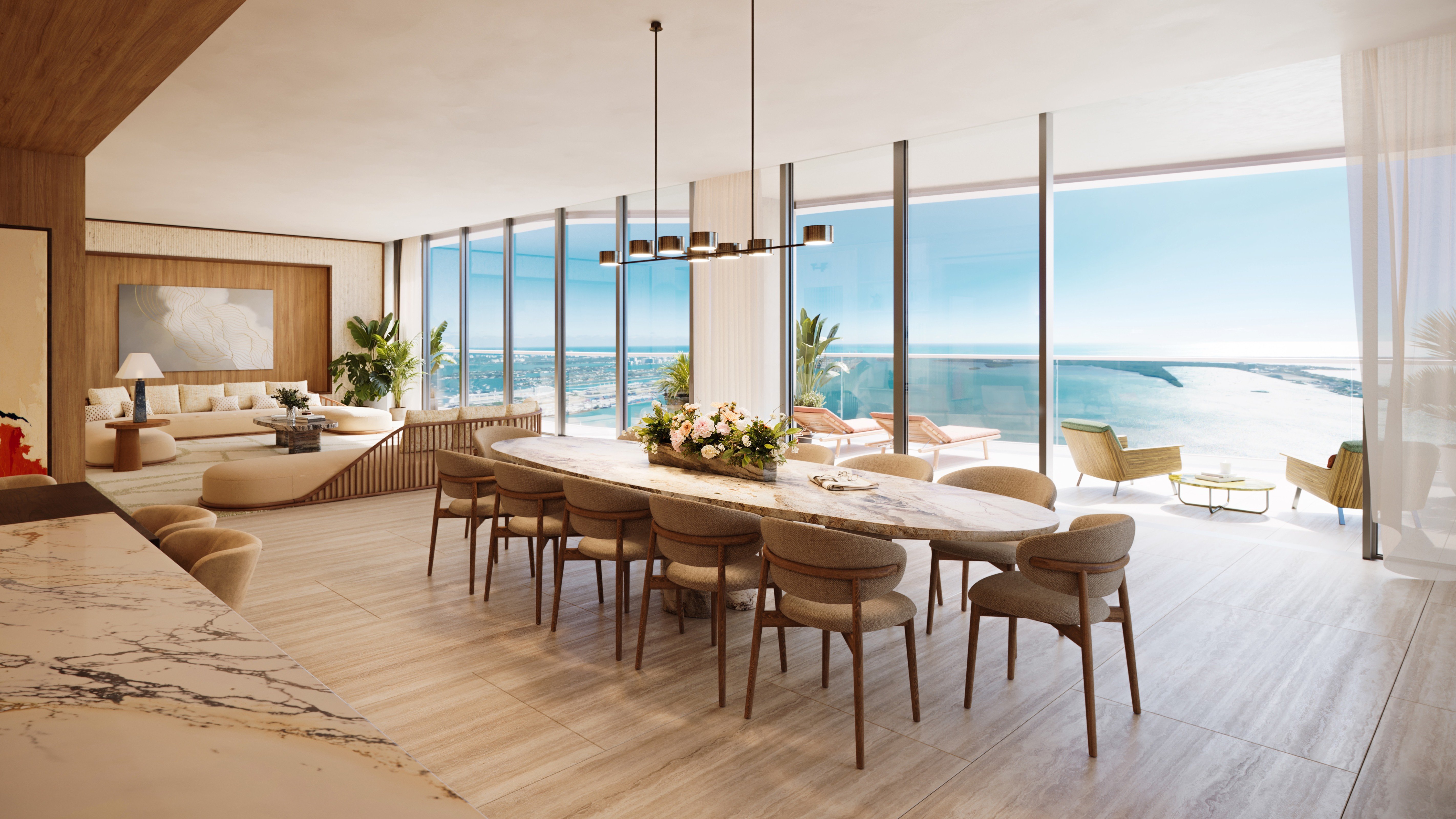
Art collectors evaluating The Residences at Mandarin Oriental, Miami should assess more than views, finishes, and room count. The residence must also work as an environment for displaying, protecting, moving, and insuring a collection.
The appropriate due-diligence process depends on the selected home and the collection itself. Before making installation plans, buyers should request current project documents and consult qualified conservation, security, insurance, lighting, and art-handling professionals.
Ceiling height does not determine display capacity by itself. Request dimensioned plans and interior elevations identifying uninterrupted wall widths, openings, ceiling changes, outlets, controls, sprinklers, supply vents, and return-air grilles.
For heavy sculpture, stone, oversized paintings, or reinforced hanging systems, obtain written structural guidance. Determine where suitable backing or other installation support may be possible, and map furniture, circulation, and viewing distances before assigning works to individual rooms.
Collectors comparing other glass-forward Miami residences, such as The Residences at 1428 Brickell, can use the same method: calculate practical display space only after accounting for openings, building systems, and circulation.
Ask for technical glazing documentation for the selected residence and exposure. Relevant questions include visible-light transmission, ultraviolet performance, solar heat gain, and whether supplemental films or interior shading treatments are permitted.
Request details for included and optional shades, including controls, fabric characteristics, pockets, and edge conditions. A conservator can help determine whether the proposed combination of glazing and shading is appropriate for sensitive works.
The lighting review should cover fixture locations, dimming ranges, beam control, color temperature, color rendering, circuit zoning, and compatibility with controls. Buyers considering Una Residences Brickell or another South Florida waterfront residence should seek the same written technical information rather than relying on renderings.
Residential comfort and collection care are not necessarily the same. Ask for written HVAC, filtration, zoning, monitoring, alert, and backup-power information before deciding whether a residence can support the collection’s requirements.
Review the placement of supply and return vents relative to proposed display areas. Also consider how open doors, terrace use, occupancy patterns, and extended absences could affect indoor conditions. If continuous records are important, confirm whether compatible sensors and data access can be installed.
Different materials can require different care strategies. A qualified conservator should prepare recommendations based on the actual works, after which the buyer can compare those requirements with the residence’s documented systems and any permitted modifications.
Security due diligence should follow a work from arrival to installation and from the residence back to the shipper. Request current procedures for visitor access, temporary credentials, surveillance, staff access, elevator permissions, contractor management, and incident response.
The owner’s insurer and security adviser should review the proposed arrangements. Privacy-oriented alternatives, including The Residences at Six Fisher Island, should be evaluated using the same documented criteria rather than assumptions about a location or brand.
Before acquiring or moving an oversized work, request loading-area, doorway, corridor, elevator, and turning-clearance dimensions. Confirm weight limits, receiving procedures, approved-mover requirements, permissible working hours, protection standards, and the route into the intended room.
Ask where unpacking may occur, whether crates can be retained, and how packing materials are removed. If conventional access appears insufficient, obtain written confirmation of any permitted alternative before committing to a work or residence.
A route study should be completed by the appropriate specialists using current building information. This helps identify constraints early and gives the buyer a documented basis for coordinating installers, management, insurers, and conservation advisers.
What plans should an art collector request? Request current dimensioned plans and interior elevations that identify openings, controls, vents, sprinklers, and other interruptions to display walls.
How should usable wall space be calculated? Measure uninterrupted areas after accounting for doors, glazing, building systems, furniture, circulation, and appropriate viewing distances.
What should be confirmed before hanging a heavy work? Obtain written guidance on structural capacity, partition construction, suitable anchors, and any permitted reinforcement.
Which glazing details matter for a collection? Ask for documented visible-light transmission, ultraviolet performance, solar heat gain, and rules governing films or shades.
What lighting information should a buyer review? Review fixture placement, dimming, beam control, color temperature, color rendering, zoning, and control-system compatibility.
How should HVAC suitability be assessed? Compare written information on temperature, humidity, filtration, zoning, monitoring, alerts, and backup support with a conservator’s recommendations.
Why do vent locations matter? Supply and return locations can affect placement decisions, so they should be mapped against proposed display areas.
What security procedures deserve review? Examine access credentials, surveillance, staff permissions, visitor management, contractor controls, elevator access, and incident response.
What belongs in an art-delivery route study? Include loading access, doors, corridors, elevators, turning clearances, weight limits, receiving rules, and the path to the installation location.
Who should participate in collector-focused due diligence? Depending on the collection, the team may include conservation, security, insurance, lighting, installation, and specialist art-handling professionals.
When you're ready to tour or underwrite the options, connect with MILLION.
If branded residences are on your mind — as a home or as an allocation — we would be glad to share what we are seeing, privately.
Begin a quiet conversation