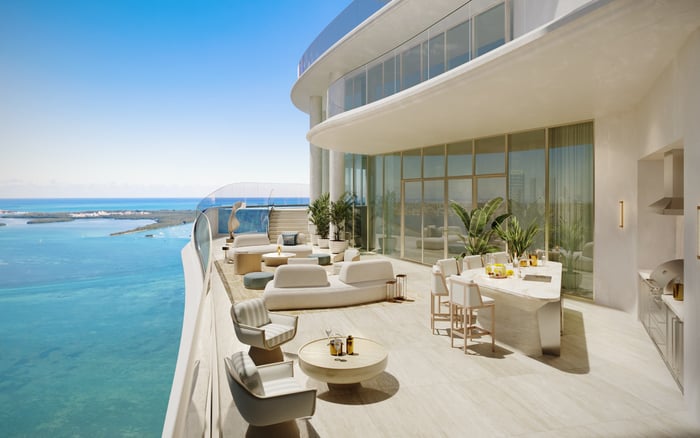
A disciplined reservation review at St. Regis Residences Brickell should separate floor height from orientation, obstruction risk and the durability of each view corridor. Buyers should compare specific residences, verify all representations and evaluate whether a requested premium reflects a meaningful advantage.
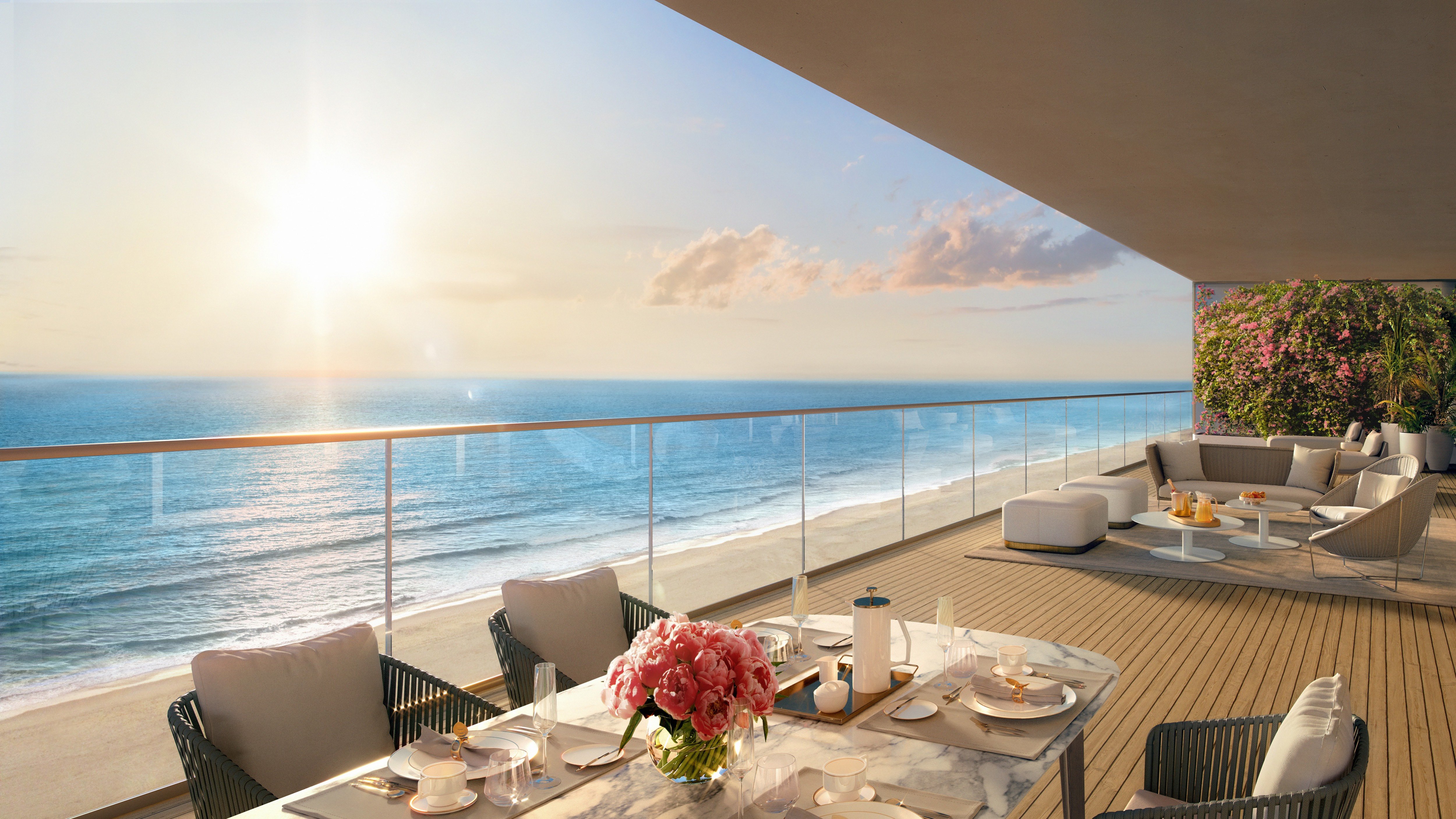
A reservation at St. Regis® Residences Brickell should begin with the specific residence rather than a general assumption about the tower. Floor, orientation, terrace position and nearby structures can affect what a buyer sees and whether a quoted premium is justified.
Request the latest floor plan and identify the compass direction of the principal rooms and outdoor areas. Then review the available sightline materials for the selected residence. Marketing categories such as water, skyline or partial views should not replace a unit-specific assessment.
A higher floor does not automatically provide a better outlook. Orientation and the position of surrounding structures may have as much influence as elevation, so buyers should compare the target residence with available homes above, below and on other sides of the building.
The goal is to identify a genuine breakpoint: the point at which a sightline materially changes. Any premium attached to that change should be evaluated against the practical improvement in openness, breadth and visual continuity rather than the floor number alone.
Begin with the residence’s total asking price and price per square foot, then consider separate adjustments for layout, exposure, terrace configuration and view quality. This helps prevent a broad marketing premium from obscuring the value of the actual residence.
A stronger corridor may justify a premium when current materials demonstrate a meaningful advantage. A weaker case exists when the difference rests only on generalized labels or renderings that do not clearly represent the selected home.
For context, compare available plans and positioning at Una Residences Brickell and Cipriani Residences Brickell. These comparisons should remain residence-specific because broad project or neighborhood averages cannot account for every orientation and sightline.
Long-term scarcity should be tied to characteristics that are difficult to reproduce, such as a particular parcel position, orientation or durable visual corridor. Branding may contribute to desirability, but it should not be treated as proof that a view will remain unchanged.
Review current surveys, plans, disclosures and sightline materials with qualified advisers. Pay particular attention to neighboring parcels and distinguish between what is depicted, what is represented contractually and what remains subject to change.
A comparison with The Residences at 1428 Brickell can help clarify which attributes matter most to the buyer. The useful question is not which project is broadly superior, but what each specific asking price purchases in terms of plan, elevation, orientation and outlook.
Before reserving, confirm current availability, pricing, deposit requirements, contractual terms and anticipated timing. These items can change, so earlier marketing materials or inventory snapshots should not be treated as current commitments.
Document the assumptions supporting the selection. If a premium depends on a particular view, clearance point or exposure, ask for the most current residence-specific materials and have the relevant contract language reviewed before signing.
For each candidate residence, record the total price, interior area, price per square foot, floor, orientation, terrace position and stated view category. Note potential obstructions and identify whether the supporting material is a plan, rendering, survey, disclosure or contractual representation.
Compare similar residences within the project before turning to nearby alternatives. This sequence makes it easier to isolate the value of a line or floor and reduces the risk of paying for a distinction that is not meaningful to the buyer.
Why should buyers assess the exact residence rather than the tower generally? Orientation, elevation, terrace position and nearby structures can produce different sightlines within the same building.
Does a higher floor always provide a better view? No. Buyers should evaluate elevation together with exposure and potential obstructions.
What is a view-corridor breakpoint? It is a floor or position where the outlook changes materially, subject to verification through current residence-specific materials.
How should a view premium be evaluated? Compare the price difference with the actual improvement in openness, breadth and durability of the outlook.
Is price per square foot enough to compare residences? No. Layout, orientation, terrace configuration, floor and view quality should also be considered.
What materials should a buyer request? Request current floor plans, sightline materials, surveys, disclosures and the documents governing the reservation or purchase.
Why do neighboring parcels matter? Their position and potential use may affect the durability of a sightline, so they belong in the diligence review.
Can renderings guarantee a view? Renderings should not be treated as guarantees; buyers should distinguish depictions from contractual representations.
What should be reconfirmed before reserving? Reconfirm availability, pricing, deposit requirements, contractual terms, timing and all residence-specific representations.
How should nearby Brickell projects be used in the analysis? Use them as residence-level comparisons for plan, orientation, elevation and outlook rather than relying on broad project averages.
For a confidential assessment and a building-by-building shortlist, connect with MILLION.
If branded residences are on your mind — as a home or as an allocation — we would be glad to share what we are seeing, privately.
Begin a quiet conversation