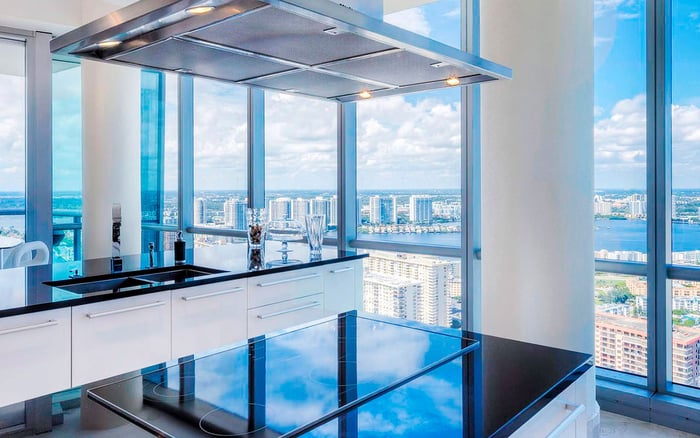
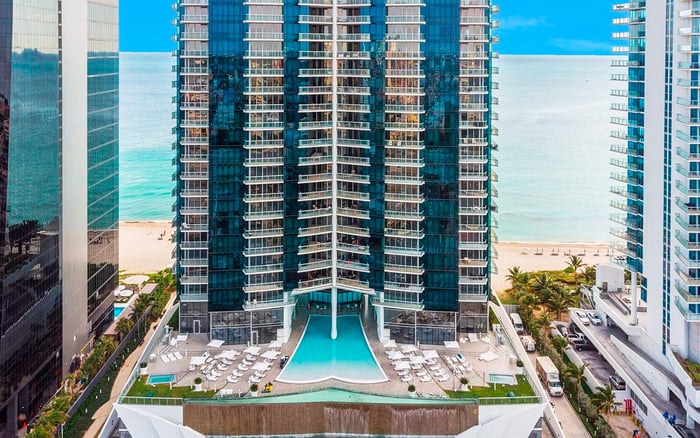
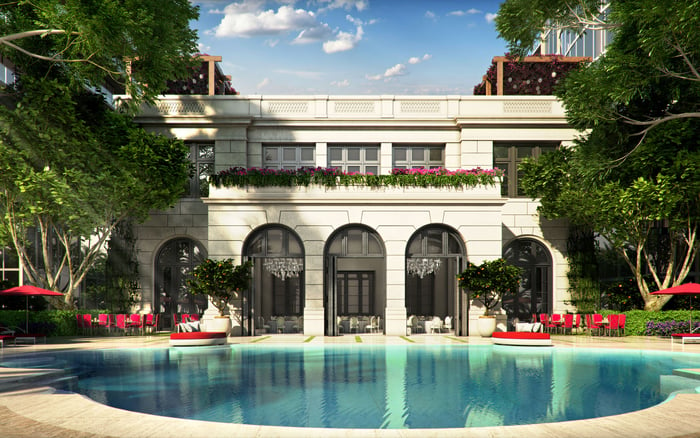
A discreet 2026 buyer’s lens on three Sunny Isles Beach luxury condominium properties, focused on how private dining, entertaining circulation, and acoustic separation should be evaluated before purchase.
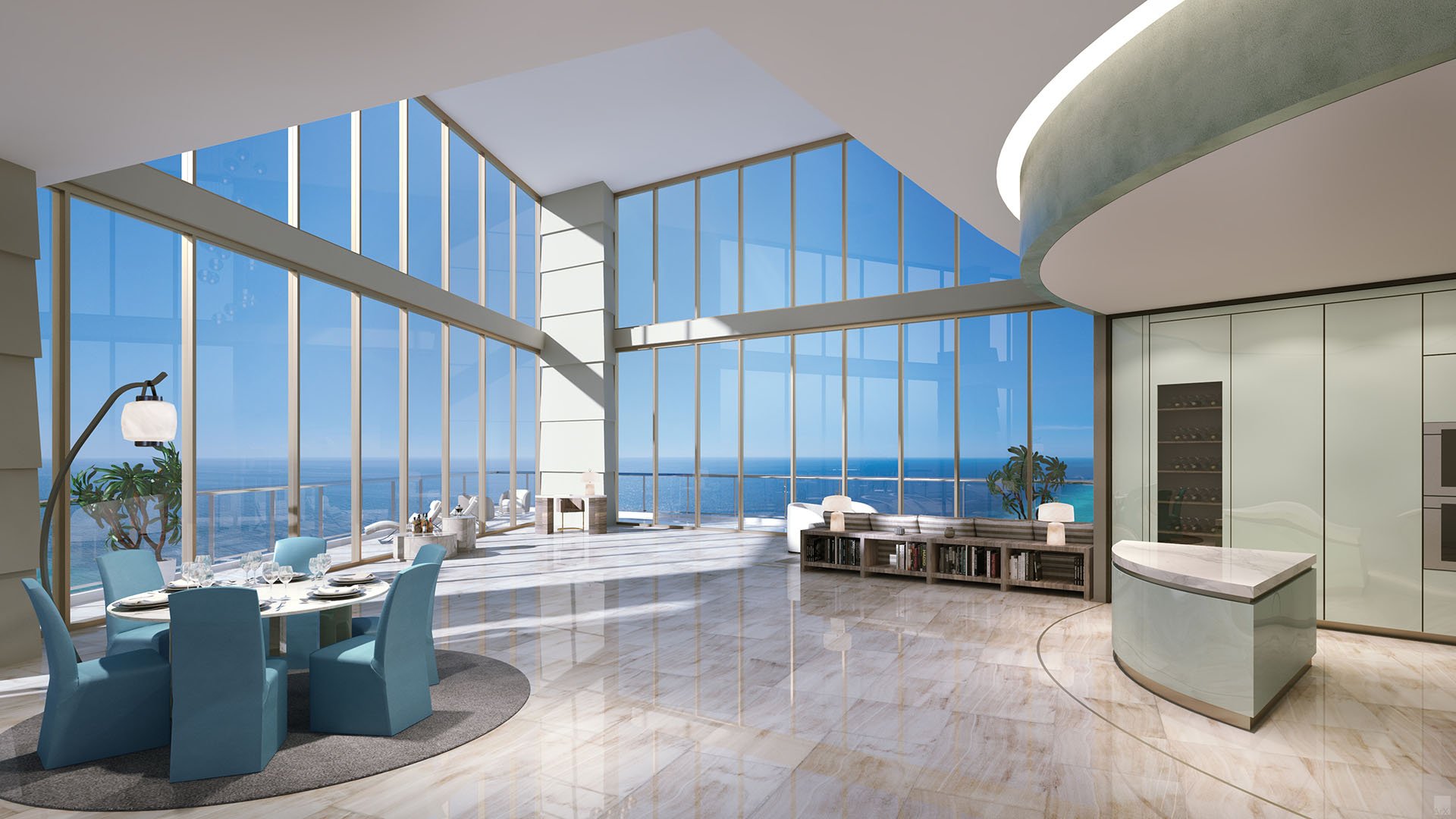
Sunny Isles Beach has matured into one of South Florida’s most concentrated vertical resort markets, where oceanfront residences are judged not only by views, lobbies, pools, and spa-style programming, but by how gracefully they support private life. For buyers comparing Armani Casa Sunny Isles Beach, Jade Ocean Sunny Isles Beach, and Muse Residences Sunny Isles Beach, the 2026 diligence question is not simply which building feels more polished. It is which residence and building ecosystem can host beautifully, recover quietly, and preserve privacy when daily life resumes.
That distinction matters. Private dining, entertaining flow, and acoustic separation sit at the intersection of design, operations, rules, and neighborly reality. A dining room can be photogenic and still underperform if service circulation is awkward. A terrace can feel cinematic and still create friction if sound carries into bedrooms or adjacent residences. A private event room can look compelling and still require close review of reservation policies, hours, catering access, cleanup rules, and guest control.
This is the more refined standard for oceanfront ownership in Sunny Isles Beach: luxury that works after the photographer leaves.
In these three properties, private dining should be evaluated beyond the presence or absence of a handsome amenity space. Residences by Armani/Casa, Jade Ocean, and Muse Residences each belongs in the Sunny Isles Beach luxury condominium conversation, but a serious buyer should ask how dining is actually executed.
Begin with the building-level experience. If a property offers amenity spaces suited to hosted events, the details to test are practical: how far in advance reservations are accepted, whether blackout dates apply, how many guests are permitted, whether outside chefs or caterers are allowed, how deliveries are managed, and whether service elevators or back-of-house routes keep the evening discreet. A private dining room is most valuable when the building’s operating culture protects both the host and neighboring residents.
Then shift inside the residence. The best entertaining layouts allow dinner to unfold without congestion at the entry, kitchen, powder room, or terrace doors. Buyers should stand in the foyer and imagine eight to sixteen guests arriving at once. Where do coats, bags, flowers, catering equipment, and staff move? Can the kitchen support plating without making the living area feel like a corridor? Does the dining area feel connected to the view without forcing every guest through private family zones?
For resale buyers especially, this exercise should be repeated with the current furniture plan and with a proposed plan. A layout that worked for one owner may not suit another owner’s entertaining rhythm.
Flow is one of the least visible and most consequential forms of value in a high-end condominium. In a vertical resort setting, the arrival sequence begins before the residence door. Valet, lobby, elevator timing, guest clearance, corridor privacy, and the transition into the home all shape the event.
At Residences by Armani/Casa, the due-diligence lens should consider how the building’s hospitality positioning translates into owner-controlled hosting. At Jade Ocean, the same standard applies: do the amenity and residence experiences align with the buyer’s style of entertaining? At Muse Residences, the question is equally specific: does the residence layout support the desired balance between intimate dinners, larger gatherings, and retreat spaces for family members who are not participating in the event?
Inside the home, good flow usually separates spectacle from service. Guests should enjoy the living, dining, and terrace sequence without feeling exposed to prep work. Staff should be able to move between entry, kitchen, and cleanup zones without repeatedly crossing the main social axis. Bedrooms should not sit directly in the path of powder room traffic. A den, media room, or secondary seating area can become a useful decompression space during multigenerational visits.
This is where Sunny Isles buyers often benefit from walking the unit at the time of day they expect to entertain. Daylight, glare, terrace comfort, elevator rhythm, and ambient building noise can change the feeling of a floor plan.
Acoustics are rarely as visible as finishes, yet they can define ownership satisfaction. For Armani Casa Sunny Isles Beach, Jade Ocean Sunny Isles Beach, and Muse Residences Sunny Isles Beach, acoustic diligence should consider two layers: separation within the residence and separation between the residence and the building around it.
Within the residence, public and private zones should be studied carefully. Buyers who host often should ask whether bedrooms are buffered from the living room, dining room, kitchen, and terrace. The position of the primary suite is especially important. If it opens near the principal entertaining area, late-night conversation, music, and cleanup may affect rest. If secondary bedrooms are close to elevators or service areas, visiting family and children may experience more disturbance than expected.
Between units and shared spaces, the inquiry becomes more technical. Buyers should review available condominium documents, renovation rules, flooring requirements, alteration guidelines, and any information that addresses sound transfer. They should also listen during showings. Visit when neighboring residences are occupied, if possible. Stand near demising walls, terrace edges, elevator vestibules, mechanical-adjacent rooms, and service corridors. Ask how complaints are handled and whether the building enforces standards consistently.
The most elegant building is not necessarily the quietest in every line or stack. Acoustic performance can vary by orientation, floor, neighboring use, finishes, and renovations. The goal is not to demand silence in a living oceanfront tower. The goal is to understand the likely sound environment before removing contingencies.
A generic amenity checklist can flatten meaningful differences. A more useful comparison starts with the owner’s intended lifestyle.
For the buyer who entertains formally, private dining rules and service choreography may carry more weight than the size of the amenity deck. For the buyer who hosts family for extended periods, bedroom separation, secondary seating areas, and night-to-day acoustic control may matter more than a dramatic first impression. For the buyer who wants a lock-and-leave residence with occasional dinner parties, staffing policies, elevator access, and easy cleanup may be decisive.
Residences by Armani/Casa should be evaluated as both a design-forward residence environment and a daily operating platform. Jade Ocean should be examined for how its vertical resort character supports hosted living without compromising privacy. Muse Residences should be assessed through the same disciplined lens, with special attention to how each available layout performs as a real home rather than a staged composition.
None of these questions diminishes the appeal of the buildings. They elevate the buying process. The ultra-premium buyer is not merely acquiring space on the sand. The buyer is selecting a social instrument, a retreat, and a set of rules that will shape everyday comfort.
A strong 2026 walkthrough should be almost theatrical in its sequencing. Arrive as a guest would. Pause in the lobby. Time the elevator. Enter the residence and observe whether the first view is generous, compressed, or interrupted. Move from living room to dining area to terrace. Then reverse the path as a server carrying plates might. Open and close terrace doors. Stand in bedrooms while someone speaks in the living area. Listen near the entry after the elevator opens.
Ask for the documents that govern events, renovations, flooring, pets, music, deliveries, catering, and amenity reservations. Ask whether private dining spaces are resident-only, whether deposits are required, how cleanup is handled, and whether staff must be approved in advance. The answers can be as important as the architecture.
For an ultra-premium Sunny Isles Beach buyer, this level of review is not excessive. It is the natural diligence standard for a residence expected to perform across quiet mornings, family holidays, formal dinners, and late returns from Miami or Bal Harbour.
Why compare these three Sunny Isles Beach properties through private dining and acoustics? They are all part of the area’s luxury vertical resort condo market, where amenities and daily livability need to be evaluated together.
Is a private dining room enough to prove a building is good for entertaining? No. Buyers should also review reservation rules, catering access, guest limits, service routes, and cleanup policies.
What should I look for inside the residence itself? Study the path from entry to living area, dining space, kitchen, terrace, powder room, and bedrooms to see whether hosting feels natural.
Why does acoustic separation matter in a luxury condo? Sound transfer can affect sleep, privacy, and comfort, especially when entertaining areas sit close to bedrooms or shared spaces.
Can acoustic performance vary within the same building? Yes. Floor, line, neighboring use, renovations, terrace position, and interior finishes can all influence perceived sound.
What documents should a buyer review before contracting? Review condominium rules, event policies, alteration guidelines, flooring standards, delivery rules, and amenity reservation procedures.
Should I tour at a specific time of day? Tour during the hours you expect to live and entertain, since light, traffic, elevator activity, and ambient sound may vary.
How should family use influence the decision? Buyers with family or frequent guests should prioritize bedroom separation, secondary living areas, and quiet retreat zones.
Are these questions relevant for a second home? Yes. A second home still needs to host smoothly, recover easily, and remain comfortable for owners between visits.
What is the best way to shortlist comparable options for touring? Start with location fit, delivery status, and daily lifestyle priorities, then compare stacks and elevations to validate views and privacy.
For a tailored shortlist and next-step guidance, connect with MILLION.
If branded residences are on your mind — as a home or as an allocation — we would be glad to share what we are seeing, privately.
Begin a quiet conversation